Oct 23, 2021
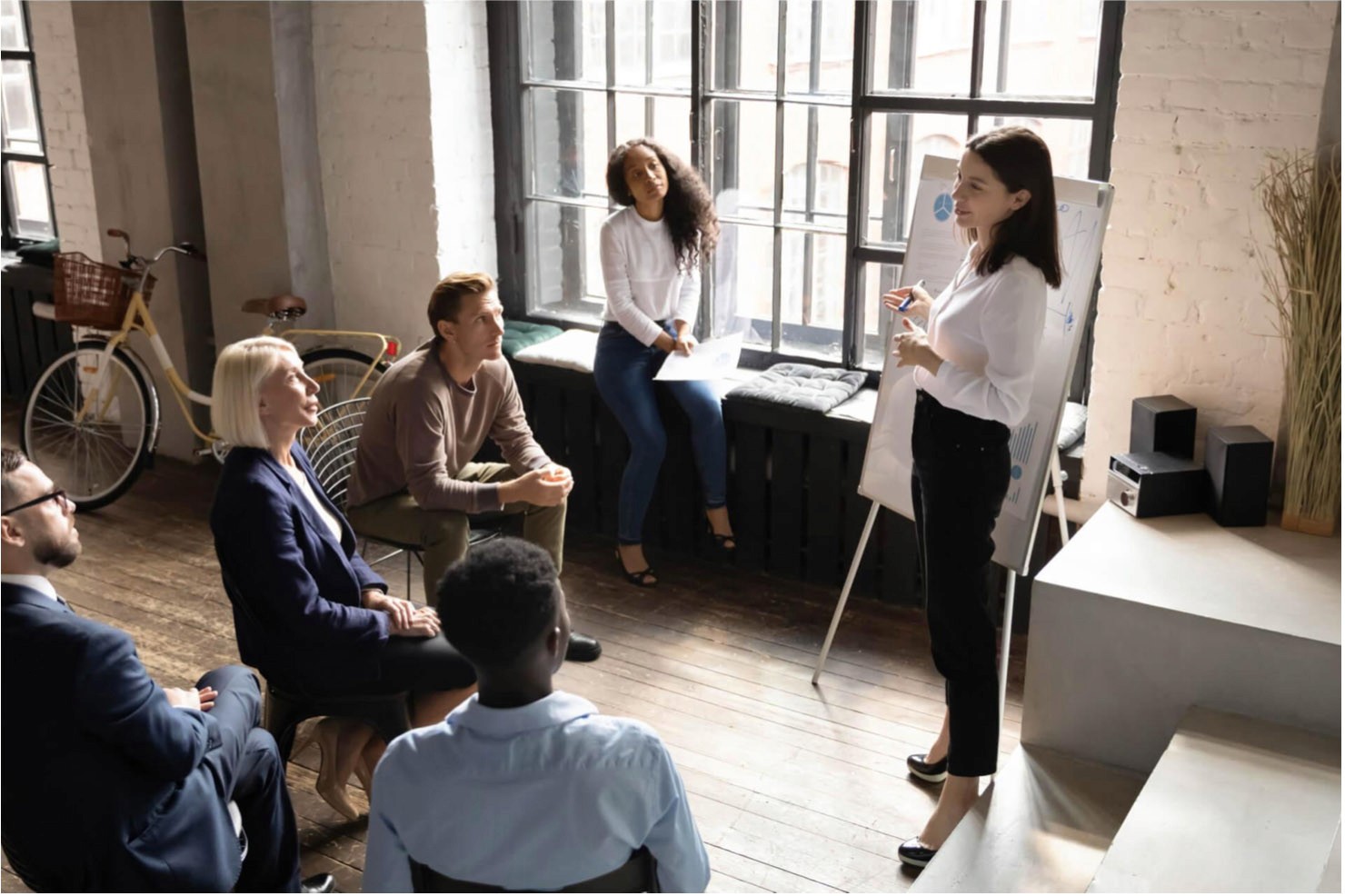
Leading Teams in New Normal Hybrid Work Tips
Post-pandemic leadership demands new skills: hybrid flexibility, mental health awareness, and transparent communication. Here is what the data says about employee expectations — and how leaders can respond.
⏱ 7 min read
By mediareach
The phrase "new normal" has followed almost every significant change in modern history, from the end of World War I to the 2008 financial crisis. Now we face another in the wake of COVID-19. As Marianne Flores, Director of Real Estate Strategy at IBM, put it: "We're not going back to the old normal, that's gone."
The pandemic has brought permanent changes to how companies operate. Employees have new needs and expectations, and leadership must adapt quickly or risk losing talent. This is not a temporary adjustment. It is a structural transformation of the workplace.

Employee Expectations in the Post-COVID Workplace
Flexibility Is Now Non-Negotiable
After prolonged telecommuting, flexibility has become a core expectation. While some workers struggled with remote work, the majority thrived: 77% of telecommuters report being more productive at home. A two-year Great Place to Work® study at Fortune 500 companies found 50% of employers felt productivity was unaffected, and 30% believed teams were more productive.
A Harris poll found 83% of respondents agreed that if work can be done remotely, employers should not require a return to the office until COVID-19 is no longer a threat. Full-time office attendance is not returning. The hybrid model, two or three days in the office, the rest remote, is becoming the default expectation.
Safety and Workspace Design
Employee expectations for the physical office have also shifted. Safety is paramount: social distancing, stringent cleaning, and PPE provision are now baseline requirements. Open-plan offices, already unpopular and productivity-damaging, now pose health concerns. Employees are asking for enclosed, socially distant workspaces.
Yet complete isolation carries its own risks. Buffer's 2020 State of Remote Work report identified loneliness as the biggest struggle remote workers face. The ideal workplace now incorporates flexible design: areas for collaboration, private work, relaxation, and socialisation.
Mental Health as a Workplace Priority
The pandemic's impact on mental health is staggering. In 2020, 81% of US workers reported negative mental health impacts, with 65% saying mental health issues directly affected their ability to work. 67% of professionals believe employers have a responsibility to support mental health and wellbeing at work.
For multicultural teams, mental health support must be culturally informed. Different communities experience stigma, express distress, and seek help in different ways. A one-size-fits-all employee assistance programme may miss the mark for diverse workforces.

Communication, Clarity and Transparency
As with any change management, communication is the key to transitioning a post-pandemic team. Yet a McKinsey study found that only 32% of employees feel their company has clearly communicated its post-pandemic vision, and 47% feel anxiety due to this lack of clarity. In many cases, leadership has a vision but fails to communicate it effectively. Hybrid working exacerbates this, with split teams receiving information through inconsistent channels.
Eight Principles for Post-Pandemic Communication
Be realistic. Not all changes benefit employees, and not everything is easy to hear. Honesty and transparency soften difficult news.
Explain why. Decisions are easier to accept when teams understand the factors behind them. Transparency builds trust even when the message is unwelcome.
Choose your channels. Ensure everyone is reached. Written announcements create records and allow asynchronous consumption; face-to-face meetings enable interaction and personal connection.
Be consistent. Establish an ongoing communication rhythm. Use the same channels for regular updates and maintain a schedule of check-ins.
Acknowledge effort. Teams have adapted in unprecedented ways. Recognise both individual and collective achievements explicitly.
Ground your message. Direction is good; concrete activities are better. Set clear tasks, timelines, and expectations so teams know what is expected and what happens next.
Enable feedback. Establish clear lines of upward communication. Ensure every team member knows who to contact with questions or concerns.
Manage your culture. Teams take cues from leadership communication. If you want a collaborative, open, inclusive workplace, ensure your communication style reflects those values.
"We're not going back to the old normal, that's gone."
Marianne Flores
Director of Real Estate Strategy and Operations, IBM
Implications for Multicultural Teams
The post-pandemic workplace presents specific considerations for leaders of diverse teams. Different cultural backgrounds shape how employees experience remote work, express mental health needs, and engage with organisational communication. Some communities may prioritise in-person collaboration and struggle with prolonged isolation. Others may have thrived with remote work's flexibility around family and religious obligations.
Leaders must avoid assuming universal experiences. What feels like liberation to one employee may feel like abandonment to another. Culturally intelligent leadership involves asking, listening, and adapting rather than imposing a single model.
Post-Pandemic Employee Expectations at a Glance
• Remote Productivity: 77% of telecommuters report higher productivity • Employer Agreement: 50% say productivity unaffected, 30% say improved • Return-to-Office Resistance: 83% oppose mandatory return if remote work is viable • Mental Health Impact: 81% negatively affected, 65% say it impacted work ability • Employer Responsibility: 67% believe employers should support mental health • Communication Gap: Only 32% feel post-pandemic vision is clearly communicated • Anxiety from Uncertainty: 47% feel anxiety due to lack of clarity
Conclusion: The Work Is Just Beginning
We are in a permanent new normal. The end of the pandemic does not mark the end of adaptation, in many ways, the challenges are just beginning. The key to helping teams navigate this terrain is remaining open to change. With clear, effective two-way communication, leaders can both understand evolving employee needs and demonstrate how the organisation is responding to them.
The data is unambiguous. Employees want flexibility, safety, mental health support, and transparency. Organisations that deliver these will attract and retain talent. Those that cling to pre-pandemic assumptions will not. The choice is that simple, and that consequential.
Build Culturally Intelligent Leadership
Mediareach combines four decades of multicultural expertise with strategic workplace communications. Develop leadership strategies that resonate across diverse teams in the new normal.
Sources & References
IBM, "Marianne Flores on the Future of Workplace Strategy," 2021. ibm.com
Great Place to Work, "Remote Work Productivity Study at Fortune 500 Companies," 2020-2021. greatplacetowork.com
Harris Poll, "Employee Return-to-Office Sentiment Survey," 2021. theharrispoll.com
Buffer, "State of Remote Work Report 2020." buffer.com
McKinsey & Company, "Employee Communication and Post-Pandemic Workplace Anxiety," 2021. mckinsey.com
American Psychological Association, "Mental Health Impact of COVID-19 on US Workers," 2020. apa.org
Mediareach Advertising, "Leadership and Workplace Communications Strategy," 2021. mediareach.co
new normal leadership
post-pandemic team management
hybrid work leadership
employee mental health workplace
remote work productivity
post-COVID workplace changes
team communication transparency
leadership change management
employee expectations 2021
workplace flexibility trends
multicultural team leadership
McKinsey workplace study
Buffer remote work report
Harris Poll workplace survey
Mediareach leadership insights
The UK's pioneering multicultural marketing and advertising agency. Over 40 years connecting brands with diverse communities through cultural insight, creative excellence, and intelligent media strategy. mediareach.co

Oct 23, 2021
Leading Teams in New Normal Hybrid Work Tips
Post-pandemic leadership demands new skills: hybrid flexibility, mental health awareness, and transparent communication. Here is what the data says about employee expectations — and how leaders can respond.
⏱ 7 min read
By mediareach
The phrase "new normal" has followed almost every significant change in modern history, from the end of World War I to the 2008 financial crisis. Now we face another in the wake of COVID-19. As Marianne Flores, Director of Real Estate Strategy at IBM, put it: "We're not going back to the old normal, that's gone."
The pandemic has brought permanent changes to how companies operate. Employees have new needs and expectations, and leadership must adapt quickly or risk losing talent. This is not a temporary adjustment. It is a structural transformation of the workplace.
Employee Expectations in the Post-COVID Workplace
Flexibility Is Now Non-Negotiable
After prolonged telecommuting, flexibility has become a core expectation. While some workers struggled with remote work, the majority thrived: 77% of telecommuters report being more productive at home. A two-year Great Place to Work® study at Fortune 500 companies found 50% of employers felt productivity was unaffected, and 30% believed teams were more productive.
A Harris poll found 83% of respondents agreed that if work can be done remotely, employers should not require a return to the office until COVID-19 is no longer a threat. Full-time office attendance is not returning. The hybrid model, two or three days in the office, the rest remote, is becoming the default expectation.
Safety and Workspace Design
Employee expectations for the physical office have also shifted. Safety is paramount: social distancing, stringent cleaning, and PPE provision are now baseline requirements. Open-plan offices, already unpopular and productivity-damaging, now pose health concerns. Employees are asking for enclosed, socially distant workspaces.
Yet complete isolation carries its own risks. Buffer's 2020 State of Remote Work report identified loneliness as the biggest struggle remote workers face. The ideal workplace now incorporates flexible design: areas for collaboration, private work, relaxation, and socialisation.
Mental Health as a Workplace Priority
The pandemic's impact on mental health is staggering. In 2020, 81% of US workers reported negative mental health impacts, with 65% saying mental health issues directly affected their ability to work. 67% of professionals believe employers have a responsibility to support mental health and wellbeing at work.
For multicultural teams, mental health support must be culturally informed. Different communities experience stigma, express distress, and seek help in different ways. A one-size-fits-all employee assistance programme may miss the mark for diverse workforces.
Communication, Clarity and Transparency
As with any change management, communication is the key to transitioning a post-pandemic team. Yet a McKinsey study found that only 32% of employees feel their company has clearly communicated its post-pandemic vision, and 47% feel anxiety due to this lack of clarity. In many cases, leadership has a vision but fails to communicate it effectively. Hybrid working exacerbates this, with split teams receiving information through inconsistent channels.
Eight Principles for Post-Pandemic Communication
Be realistic. Not all changes benefit employees, and not everything is easy to hear. Honesty and transparency soften difficult news.
Explain why. Decisions are easier to accept when teams understand the factors behind them. Transparency builds trust even when the message is unwelcome.
Choose your channels. Ensure everyone is reached. Written announcements create records and allow asynchronous consumption; face-to-face meetings enable interaction and personal connection.
Be consistent. Establish an ongoing communication rhythm. Use the same channels for regular updates and maintain a schedule of check-ins.
Acknowledge effort. Teams have adapted in unprecedented ways. Recognise both individual and collective achievements explicitly.
Ground your message. Direction is good; concrete activities are better. Set clear tasks, timelines, and expectations so teams know what is expected and what happens next.
Enable feedback. Establish clear lines of upward communication. Ensure every team member knows who to contact with questions or concerns.
Manage your culture. Teams take cues from leadership communication. If you want a collaborative, open, inclusive workplace, ensure your communication style reflects those values.
"We're not going back to the old normal, that's gone."
Marianne Flores
Director of Real Estate Strategy and Operations, IBM
Implications for Multicultural Teams
The post-pandemic workplace presents specific considerations for leaders of diverse teams. Different cultural backgrounds shape how employees experience remote work, express mental health needs, and engage with organisational communication. Some communities may prioritise in-person collaboration and struggle with prolonged isolation. Others may have thrived with remote work's flexibility around family and religious obligations.
Leaders must avoid assuming universal experiences. What feels like liberation to one employee may feel like abandonment to another. Culturally intelligent leadership involves asking, listening, and adapting rather than imposing a single model.
Post-Pandemic Employee Expectations at a Glance
• Remote Productivity: 77% of telecommuters report higher productivity • Employer Agreement: 50% say productivity unaffected, 30% say improved • Return-to-Office Resistance: 83% oppose mandatory return if remote work is viable • Mental Health Impact: 81% negatively affected, 65% say it impacted work ability • Employer Responsibility: 67% believe employers should support mental health • Communication Gap: Only 32% feel post-pandemic vision is clearly communicated • Anxiety from Uncertainty: 47% feel anxiety due to lack of clarity
Conclusion: The Work Is Just Beginning
We are in a permanent new normal. The end of the pandemic does not mark the end of adaptation, in many ways, the challenges are just beginning. The key to helping teams navigate this terrain is remaining open to change. With clear, effective two-way communication, leaders can both understand evolving employee needs and demonstrate how the organisation is responding to them.
The data is unambiguous. Employees want flexibility, safety, mental health support, and transparency. Organisations that deliver these will attract and retain talent. Those that cling to pre-pandemic assumptions will not. The choice is that simple, and that consequential.
Build Culturally Intelligent Leadership
Mediareach combines four decades of multicultural expertise with strategic workplace communications. Develop leadership strategies that resonate across diverse teams in the new normal.
Sources & References
IBM, "Marianne Flores on the Future of Workplace Strategy," 2021. ibm.com
Great Place to Work, "Remote Work Productivity Study at Fortune 500 Companies," 2020-2021. greatplacetowork.com
Harris Poll, "Employee Return-to-Office Sentiment Survey," 2021. theharrispoll.com
Buffer, "State of Remote Work Report 2020." buffer.com
McKinsey & Company, "Employee Communication and Post-Pandemic Workplace Anxiety," 2021. mckinsey.com
American Psychological Association, "Mental Health Impact of COVID-19 on US Workers," 2020. apa.org
Mediareach Advertising, "Leadership and Workplace Communications Strategy," 2021. mediareach.co
new normal leadership
post-pandemic team management
hybrid work leadership
employee mental health workplace
remote work productivity
post-COVID workplace changes
team communication transparency
leadership change management
employee expectations 2021
workplace flexibility trends
multicultural team leadership
McKinsey workplace study
Buffer remote work report
Harris Poll workplace survey
Mediareach leadership insights
The UK's pioneering multicultural marketing and advertising agency. Over 40 years connecting brands with diverse communities through cultural insight, creative excellence, and intelligent media strategy. mediareach.co
Oct 23, 2021
Leading Teams in New Normal Hybrid Work Tips
Post-pandemic leadership demands new skills: hybrid flexibility, mental health awareness, and transparent communication. Here is what the data says about employee expectations — and how leaders can respond.
⏱ 7 min read
By mediareach
The phrase "new normal" has followed almost every significant change in modern history, from the end of World War I to the 2008 financial crisis. Now we face another in the wake of COVID-19. As Marianne Flores, Director of Real Estate Strategy at IBM, put it: "We're not going back to the old normal, that's gone."
The pandemic has brought permanent changes to how companies operate. Employees have new needs and expectations, and leadership must adapt quickly or risk losing talent. This is not a temporary adjustment. It is a structural transformation of the workplace.
Employee Expectations in the Post-COVID Workplace
Flexibility Is Now Non-Negotiable
After prolonged telecommuting, flexibility has become a core expectation. While some workers struggled with remote work, the majority thrived: 77% of telecommuters report being more productive at home. A two-year Great Place to Work® study at Fortune 500 companies found 50% of employers felt productivity was unaffected, and 30% believed teams were more productive.
A Harris poll found 83% of respondents agreed that if work can be done remotely, employers should not require a return to the office until COVID-19 is no longer a threat. Full-time office attendance is not returning. The hybrid model, two or three days in the office, the rest remote, is becoming the default expectation.
Safety and Workspace Design
Employee expectations for the physical office have also shifted. Safety is paramount: social distancing, stringent cleaning, and PPE provision are now baseline requirements. Open-plan offices, already unpopular and productivity-damaging, now pose health concerns. Employees are asking for enclosed, socially distant workspaces.
Yet complete isolation carries its own risks. Buffer's 2020 State of Remote Work report identified loneliness as the biggest struggle remote workers face. The ideal workplace now incorporates flexible design: areas for collaboration, private work, relaxation, and socialisation.
Mental Health as a Workplace Priority
The pandemic's impact on mental health is staggering. In 2020, 81% of US workers reported negative mental health impacts, with 65% saying mental health issues directly affected their ability to work. 67% of professionals believe employers have a responsibility to support mental health and wellbeing at work.
For multicultural teams, mental health support must be culturally informed. Different communities experience stigma, express distress, and seek help in different ways. A one-size-fits-all employee assistance programme may miss the mark for diverse workforces.
Communication, Clarity and Transparency
As with any change management, communication is the key to transitioning a post-pandemic team. Yet a McKinsey study found that only 32% of employees feel their company has clearly communicated its post-pandemic vision, and 47% feel anxiety due to this lack of clarity. In many cases, leadership has a vision but fails to communicate it effectively. Hybrid working exacerbates this, with split teams receiving information through inconsistent channels.
Eight Principles for Post-Pandemic Communication
Be realistic. Not all changes benefit employees, and not everything is easy to hear. Honesty and transparency soften difficult news.
Explain why. Decisions are easier to accept when teams understand the factors behind them. Transparency builds trust even when the message is unwelcome.
Choose your channels. Ensure everyone is reached. Written announcements create records and allow asynchronous consumption; face-to-face meetings enable interaction and personal connection.
Be consistent. Establish an ongoing communication rhythm. Use the same channels for regular updates and maintain a schedule of check-ins.
Acknowledge effort. Teams have adapted in unprecedented ways. Recognise both individual and collective achievements explicitly.
Ground your message. Direction is good; concrete activities are better. Set clear tasks, timelines, and expectations so teams know what is expected and what happens next.
Enable feedback. Establish clear lines of upward communication. Ensure every team member knows who to contact with questions or concerns.
Manage your culture. Teams take cues from leadership communication. If you want a collaborative, open, inclusive workplace, ensure your communication style reflects those values.
"We're not going back to the old normal, that's gone."
Marianne Flores
Director of Real Estate Strategy and Operations, IBM
Implications for Multicultural Teams
The post-pandemic workplace presents specific considerations for leaders of diverse teams. Different cultural backgrounds shape how employees experience remote work, express mental health needs, and engage with organisational communication. Some communities may prioritise in-person collaboration and struggle with prolonged isolation. Others may have thrived with remote work's flexibility around family and religious obligations.
Leaders must avoid assuming universal experiences. What feels like liberation to one employee may feel like abandonment to another. Culturally intelligent leadership involves asking, listening, and adapting rather than imposing a single model.
Post-Pandemic Employee Expectations at a Glance
• Remote Productivity: 77% of telecommuters report higher productivity • Employer Agreement: 50% say productivity unaffected, 30% say improved • Return-to-Office Resistance: 83% oppose mandatory return if remote work is viable • Mental Health Impact: 81% negatively affected, 65% say it impacted work ability • Employer Responsibility: 67% believe employers should support mental health • Communication Gap: Only 32% feel post-pandemic vision is clearly communicated • Anxiety from Uncertainty: 47% feel anxiety due to lack of clarity
Conclusion: The Work Is Just Beginning
We are in a permanent new normal. The end of the pandemic does not mark the end of adaptation, in many ways, the challenges are just beginning. The key to helping teams navigate this terrain is remaining open to change. With clear, effective two-way communication, leaders can both understand evolving employee needs and demonstrate how the organisation is responding to them.
The data is unambiguous. Employees want flexibility, safety, mental health support, and transparency. Organisations that deliver these will attract and retain talent. Those that cling to pre-pandemic assumptions will not. The choice is that simple, and that consequential.
Build Culturally Intelligent Leadership
Mediareach combines four decades of multicultural expertise with strategic workplace communications. Develop leadership strategies that resonate across diverse teams in the new normal.
Sources & References
IBM, "Marianne Flores on the Future of Workplace Strategy," 2021. ibm.com
Great Place to Work, "Remote Work Productivity Study at Fortune 500 Companies," 2020-2021. greatplacetowork.com
Harris Poll, "Employee Return-to-Office Sentiment Survey," 2021. theharrispoll.com
Buffer, "State of Remote Work Report 2020." buffer.com
McKinsey & Company, "Employee Communication and Post-Pandemic Workplace Anxiety," 2021. mckinsey.com
American Psychological Association, "Mental Health Impact of COVID-19 on US Workers," 2020. apa.org
Mediareach Advertising, "Leadership and Workplace Communications Strategy," 2021. mediareach.co
new normal leadership
post-pandemic team management
hybrid work leadership
employee mental health workplace
remote work productivity
post-COVID workplace changes
team communication transparency
leadership change management
employee expectations 2021
workplace flexibility trends
multicultural team leadership
McKinsey workplace study
Buffer remote work report
Harris Poll workplace survey
Mediareach leadership insights
The UK's pioneering multicultural marketing and advertising agency. Over 40 years connecting brands with diverse communities through cultural insight, creative excellence, and intelligent media strategy. mediareach.co