Sep 17, 2026
UK Multicultural Population On The Rise
Forget the panic headlines. The rise of multicultural Britain is not a sudden spike — it's a slow, steady, deeply human shift that's been building for decades. Here's what it actually looks like on the ground, and why 2026 is the year brands can no longer afford to treat it as an afterthought.
⏱ 8 min read
By mediareach
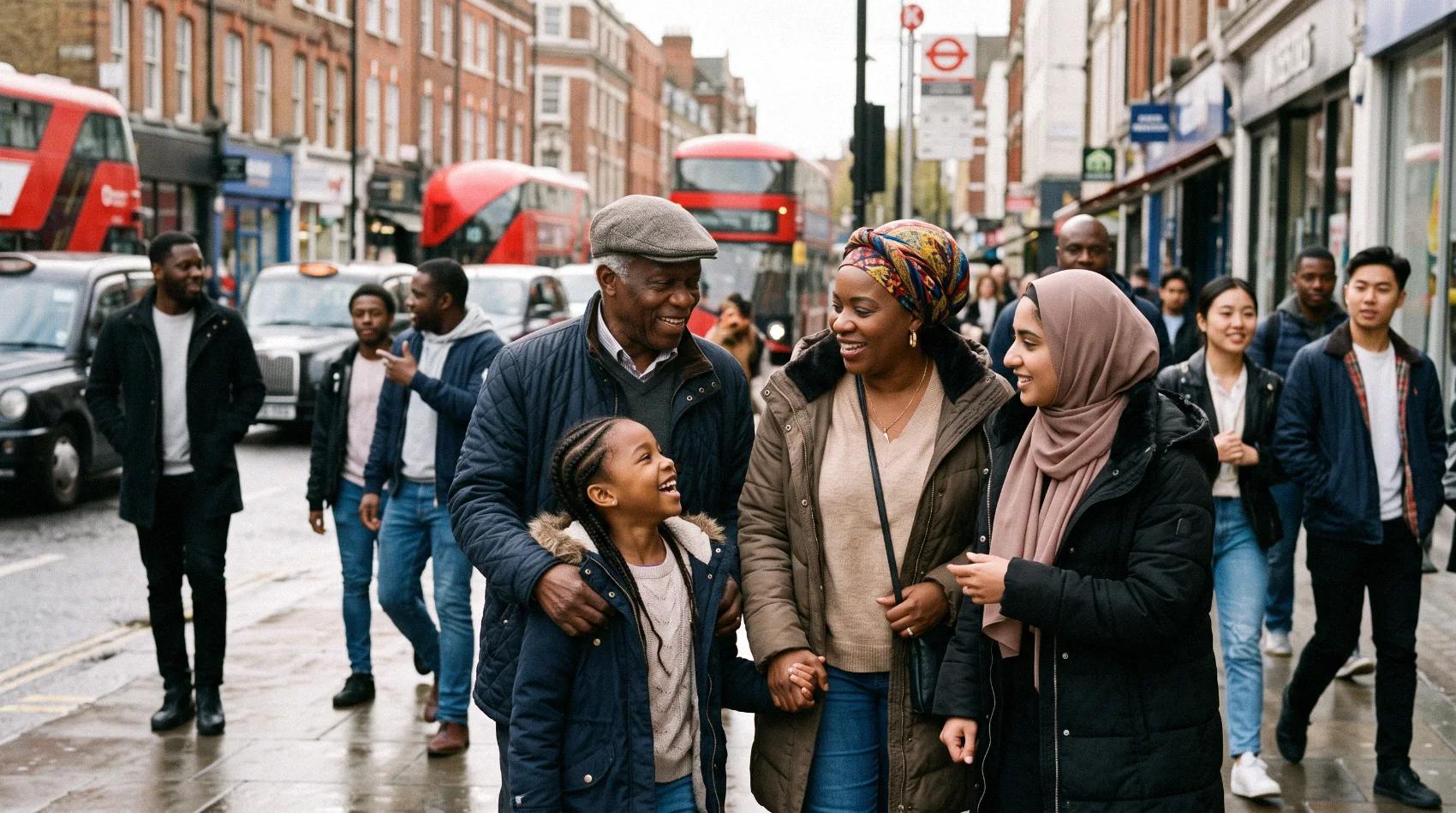
Every brand says it wants to be closer to culture. In the UK in 2026, culture is multicultural. Walk through any high street in East London, Birmingham, Bradford, Leicester or Southall and you'll hear it. Bengali being spoken outside a pharmacy. A gurdwara noticeboard advertising a tech startup meetup. Polish delis next to Afro-Caribbean hair shops. Third-generation British Pakistanis queuing for bubble tea after Friday prayers. This isn't a trend report. It's everyday life. The data just catches up to what you can already see.
It's Not New, But It's Accelerating
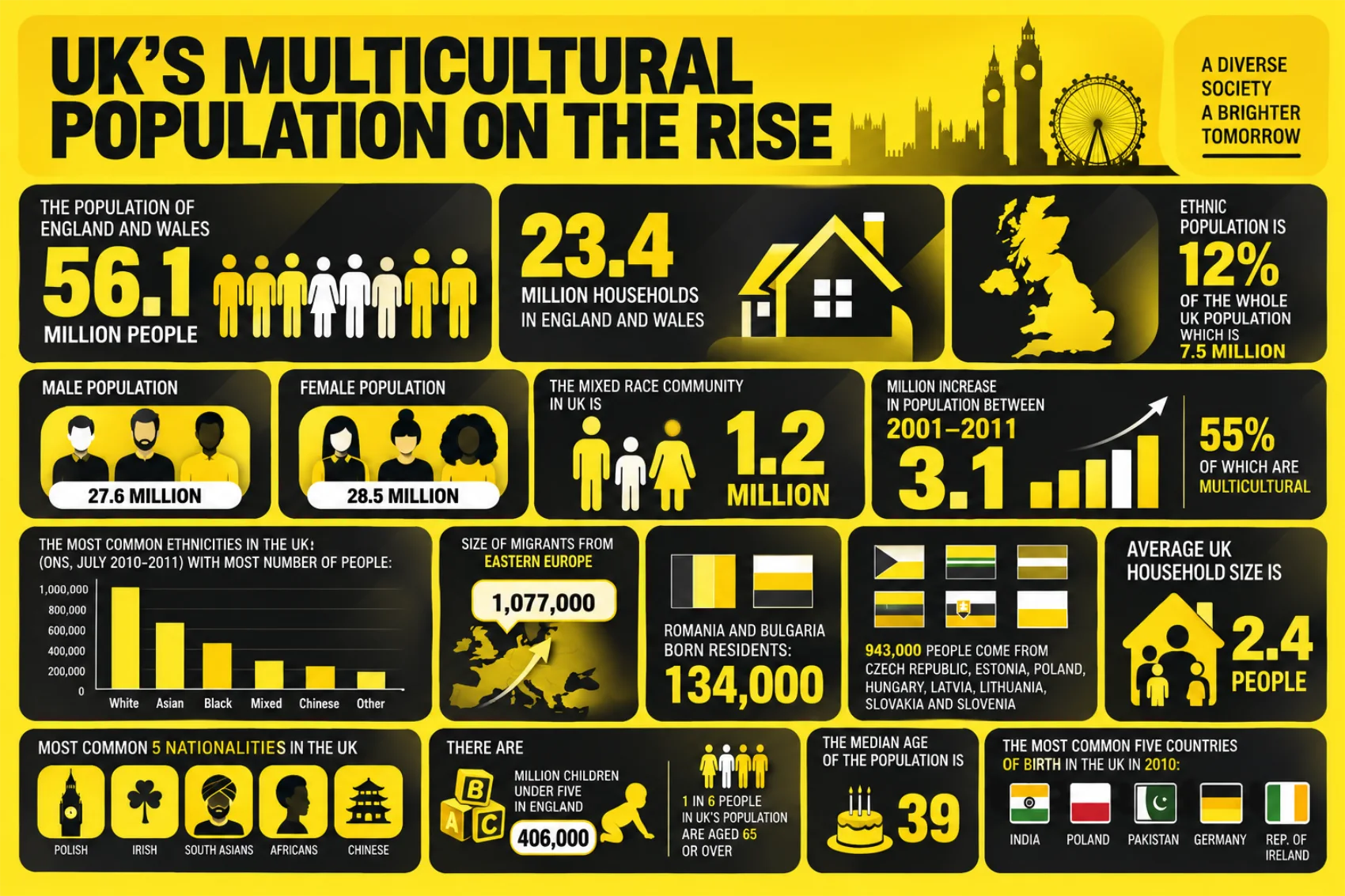
The UK has been diversifying for over half a century. What changed is the pace. The 2021 Census, still the most comprehensive official snapshot we have in 2026, showed that the White population in England and Wales fell from 86% in 2011 to 81.7% in 2021, while the share of people identifying as Asian, Black, Mixed or Other rose from around 14% to 18.3%. That might sound like a small shift on paper, but in human terms it's millions of new households, new languages at home, and new expectations of what a brand should sound like.
The Office for National Statistics also put the UK's total population at 69.28 million in mid-2024, the second-largest annual jump in over 75 years. Growth isn't coming from births alone anymore. Since 2018, international migration has driven over 70% of UK population growth. People don't just arrive — they stay, build families, and become customers.
London Isn't an Exception Anymore, It's a Preview
For years, marketers treated London as an outlier. “Of course London is diverse, but what about the rest of the UK?” That excuse no longer works.
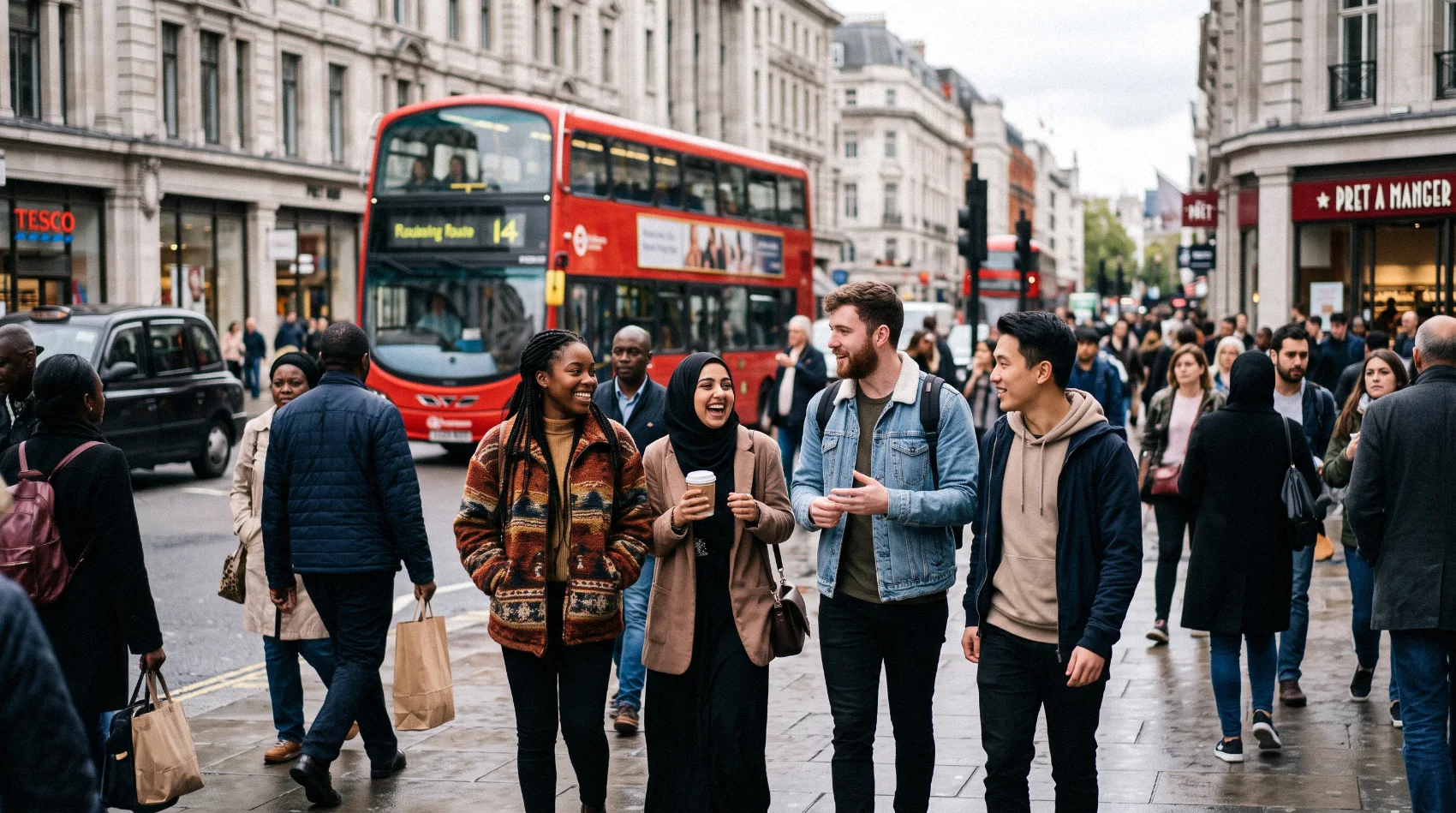
In London, 46% of residents now identify as Asian, Black, Mixed or Other. More than 41% were born outside the UK, and over 300 languages are spoken. Ten boroughs are now majority Black, Asian and minority ethnic, up from six in 2011. But look beyond the M25: the West Midlands is home to a significant share of Asian and Black communities, Luton is 37% Asian British, and towns that were once considered homogenous are seeing rapid change in school rolls and high streets.
If your media plan only buys “mainstream” channels, you are not buying the mainstream. You are buying a shrinking part of it.
“For over half a century, the Asian community in Britain has been making a huge contribution to all aspects of life, not least the economy. Through our work we want to recognise the many achievements that make the community a source of inspiration.”
Kamel Hothi
former Asian Markets Director, Lloyds TSB
Faith, Family and the Spending Moment
Diversity isn't just about ethnicity boxes on a census form. It's about how people live.
Take faith. In 2021, 3.9 million people in England and Wales identified as Muslim, 6.5% of the population, up from 2.7 million a decade earlier. Christianity fell below 50% for the first time. That matters not because brands need to become religious, but because faith shapes calendars. Ramadan, Eid, Diwali, Vaisakhi, Lunar New Year, these aren't “ethnic holidays.” They are peak spending moments where food, fashion, gifting and charity peak at Christmas-level intensity.
And take family. Multicultural households in the UK are more likely to be multi-generational, to have larger weekly shops, and to make decisions collectively. A campaign that speaks only to the 25-year-old individual misses the grandmother who influences the purchase, the uncle who pays, and the teenager who shares it on TikTok.
So What Should You Do on Meta in 2026?
Here's where many brands get stuck. They know they should reach diverse audiences, but Meta no longer allows multicultural affinity exclusion targeting. You can't tick a box that says “exclude Asian-American” or “target African-American” in the UK. That option was retired in 2017-2018 to guard against discrimination.
That change was good. It forces better marketing.
1. Think Language, Not Ethnicity
Don't ask Meta to find “Asians.” Ask it to find people who set their Facebook language to Bengali, Gujarati, Urdu, Punjabi, Tamil, Polish, Romanian or Somali. Language is compliant, precise, and it signals cultural comfort. We run separate ad sets for each language — same offer, different story.
2. Think Postcodes, Not Posters
Use real ONS geography. Target boroughs where diversity is the majority, and layer in interests like Zee TV, ARY Digital, Nollywood, IPL, Bhangra or halal. A simple London-wide boost will waste budget. A cluster of Ealing, Hounslow, Newham, Tower Hamlets, Birmingham and Bradford will outperform it every time.
3. Think Creator, Not Translator
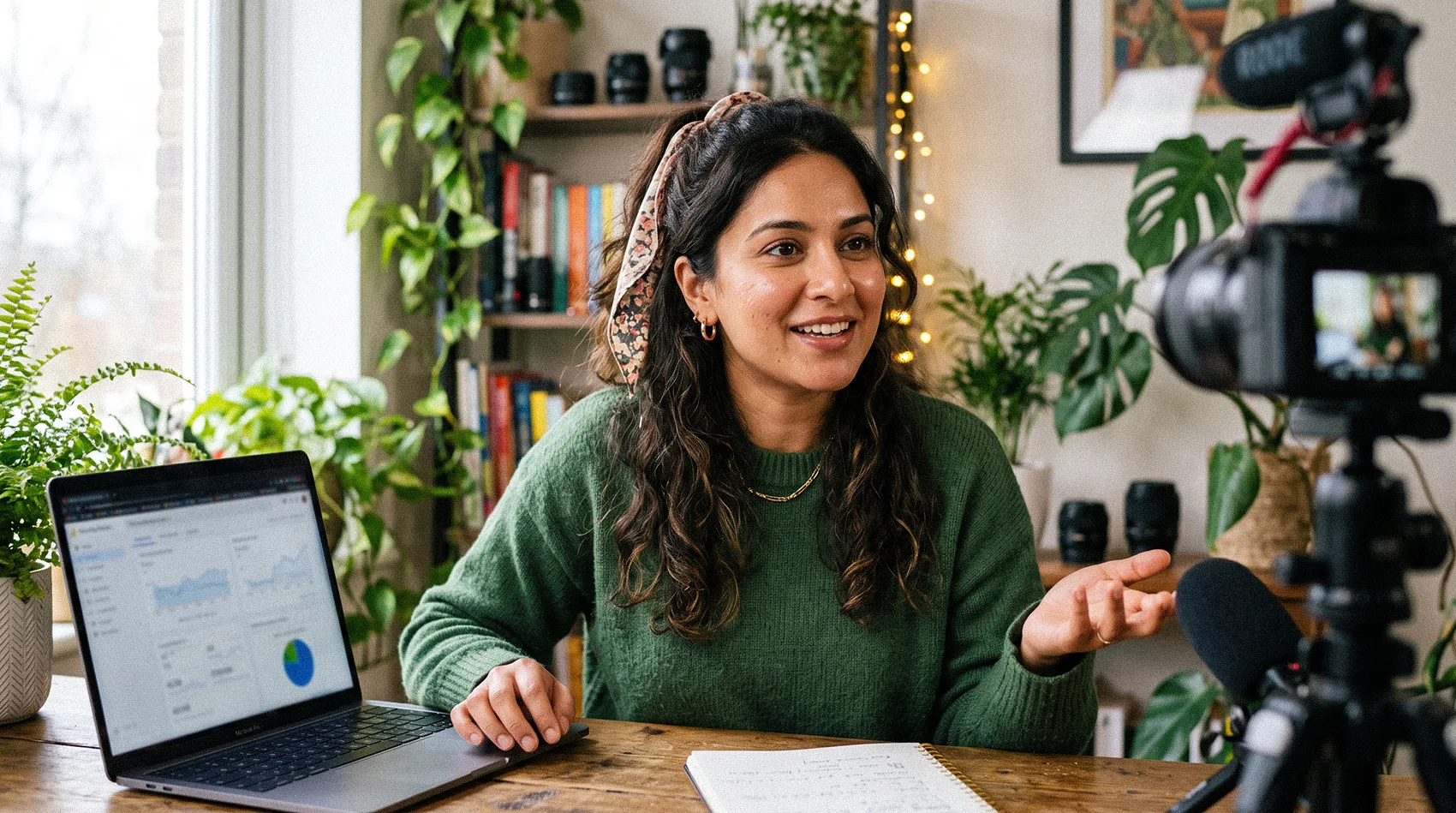
The fastest way to kill trust is to take an English ad and add subtitles. South Asian audiences in particular have become immune to that. Work with creators who already have trust — community radio hosts, imams who do financial literacy content, temple committees, Polish parent influencers. Let them tell the story in their own tonality.
The Real Opportunity
Yes, we could show you charts about 18.3% becoming 28% by 2031 and 44% by 2056 in long-term academic scenarios. But those projections are just models based on assumptions about migration and birth rates. What matters more than the forecast is the behaviour you can already see.
Multicultural audiences in the UK are younger, more mobile-first, more likely to share purchases within WhatsApp family groups, more likely to reward brands that show up during Ramadan and Diwali with loyalty that lasts years. They are not a hard-to-reach audience. They are an easy-to-ignore audience, until a competitor stops ignoring them.
We've seen it with clients: a telecoms brand that added Gujarati, Punjabi and Urdu creative didn't just get more clicks, it got 80% of its existing South Asian base to upgrade with 75% less budget than mainstream. A travel brand that sponsored IPL on ITV4 turned a functional ticket seller into “the future of travel” for families planning VFR trips. A government campaign that produced content in 30+ languages didn't just hit reach, it saved lives.
The rise isn't coming. It has risen. The question for 2026 is simple: is your brand part of the conversation in the languages and places where culture actually lives?
Make Multicultural Your Main Ingredient
Mediareach has been connecting cultures and building brands since 1986. We bring ONS-verified data, 100+ ethnic media partnerships, and Meta-compliant language and location targeting to turn diversity from a topping into your growth engine.
Sources & References
ONS Census 2021: 81.7% White (48.7m), 18.3% Asian/Black/Mixed/Other, England & Wales 59.6m. ons.gov.uk
ONS: London 46% Asian/Black/Mixed/Other; over 300 languages spoken; 41% born outside UK. ons.gov.uk / gov.uk ethnic review
ONS Religion 2021: Muslim 3.9m (6.5%) up from 2.7m (4.9%) in 2011; Christian 46.2%. ONS Religion
ONS Mid-Year Estimates 2024: UK 69.28m (69,281,400), +755,300. ONS 2024
Meta: Multicultural affinity targeting retired 2017-2018 to prevent discrimination. TechCrunch
UK multicultural population 2026
multicultural marketing UK
London diversity 46%
ONS Census 2021
Meta multicultural targeting
diverse customers UK
Ramadan Diwali marketing
Mediareach insights
The UK's pioneering multicultural marketing and advertising agency. Over 40 years connecting brands with diverse communities through cultural insight, creative excellence, and intelligent media strategy. mediareach.co
Sep 17, 2026
UK Multicultural Population On The Rise
Forget the panic headlines. The rise of multicultural Britain is not a sudden spike — it's a slow, steady, deeply human shift that's been building for decades. Here's what it actually looks like on the ground, and why 2026 is the year brands can no longer afford to treat it as an afterthought.
⏱ 8 min read
By mediareach
Every brand says it wants to be closer to culture. In the UK in 2026, culture is multicultural. Walk through any high street in East London, Birmingham, Bradford, Leicester or Southall and you'll hear it. Bengali being spoken outside a pharmacy. A gurdwara noticeboard advertising a tech startup meetup. Polish delis next to Afro-Caribbean hair shops. Third-generation British Pakistanis queuing for bubble tea after Friday prayers. This isn't a trend report. It's everyday life. The data just catches up to what you can already see.
It's Not New, But It's Accelerating
The UK has been diversifying for over half a century. What changed is the pace. The 2021 Census, still the most comprehensive official snapshot we have in 2026, showed that the White population in England and Wales fell from 86% in 2011 to 81.7% in 2021, while the share of people identifying as Asian, Black, Mixed or Other rose from around 14% to 18.3%. That might sound like a small shift on paper, but in human terms it's millions of new households, new languages at home, and new expectations of what a brand should sound like.
The Office for National Statistics also put the UK's total population at 69.28 million in mid-2024, the second-largest annual jump in over 75 years. Growth isn't coming from births alone anymore. Since 2018, international migration has driven over 70% of UK population growth. People don't just arrive — they stay, build families, and become customers.
London Isn't an Exception Anymore, It's a Preview
For years, marketers treated London as an outlier. “Of course London is diverse, but what about the rest of the UK?” That excuse no longer works.
In London, 46% of residents now identify as Asian, Black, Mixed or Other. More than 41% were born outside the UK, and over 300 languages are spoken. Ten boroughs are now majority Black, Asian and minority ethnic, up from six in 2011. But look beyond the M25: the West Midlands is home to a significant share of Asian and Black communities, Luton is 37% Asian British, and towns that were once considered homogenous are seeing rapid change in school rolls and high streets.
If your media plan only buys “mainstream” channels, you are not buying the mainstream. You are buying a shrinking part of it.
“For over half a century, the Asian community in Britain has been making a huge contribution to all aspects of life, not least the economy. Through our work we want to recognise the many achievements that make the community a source of inspiration.”
Kamel Hothi
former Asian Markets Director, Lloyds TSB
Faith, Family and the Spending Moment
Diversity isn't just about ethnicity boxes on a census form. It's about how people live.
Take faith. In 2021, 3.9 million people in England and Wales identified as Muslim, 6.5% of the population, up from 2.7 million a decade earlier. Christianity fell below 50% for the first time. That matters not because brands need to become religious, but because faith shapes calendars. Ramadan, Eid, Diwali, Vaisakhi, Lunar New Year, these aren't “ethnic holidays.” They are peak spending moments where food, fashion, gifting and charity peak at Christmas-level intensity.
And take family. Multicultural households in the UK are more likely to be multi-generational, to have larger weekly shops, and to make decisions collectively. A campaign that speaks only to the 25-year-old individual misses the grandmother who influences the purchase, the uncle who pays, and the teenager who shares it on TikTok.
So What Should You Do on Meta in 2026?
Here's where many brands get stuck. They know they should reach diverse audiences, but Meta no longer allows multicultural affinity exclusion targeting. You can't tick a box that says “exclude Asian-American” or “target African-American” in the UK. That option was retired in 2017-2018 to guard against discrimination.
That change was good. It forces better marketing.
1. Think Language, Not Ethnicity
Don't ask Meta to find “Asians.” Ask it to find people who set their Facebook language to Bengali, Gujarati, Urdu, Punjabi, Tamil, Polish, Romanian or Somali. Language is compliant, precise, and it signals cultural comfort. We run separate ad sets for each language — same offer, different story.
2. Think Postcodes, Not Posters
Use real ONS geography. Target boroughs where diversity is the majority, and layer in interests like Zee TV, ARY Digital, Nollywood, IPL, Bhangra or halal. A simple London-wide boost will waste budget. A cluster of Ealing, Hounslow, Newham, Tower Hamlets, Birmingham and Bradford will outperform it every time.
3. Think Creator, Not Translator
The fastest way to kill trust is to take an English ad and add subtitles. South Asian audiences in particular have become immune to that. Work with creators who already have trust — community radio hosts, imams who do financial literacy content, temple committees, Polish parent influencers. Let them tell the story in their own tonality.
The Real Opportunity
Yes, we could show you charts about 18.3% becoming 28% by 2031 and 44% by 2056 in long-term academic scenarios. But those projections are just models based on assumptions about migration and birth rates. What matters more than the forecast is the behaviour you can already see.
Multicultural audiences in the UK are younger, more mobile-first, more likely to share purchases within WhatsApp family groups, more likely to reward brands that show up during Ramadan and Diwali with loyalty that lasts years. They are not a hard-to-reach audience. They are an easy-to-ignore audience, until a competitor stops ignoring them.
We've seen it with clients: a telecoms brand that added Gujarati, Punjabi and Urdu creative didn't just get more clicks, it got 80% of its existing South Asian base to upgrade with 75% less budget than mainstream. A travel brand that sponsored IPL on ITV4 turned a functional ticket seller into “the future of travel” for families planning VFR trips. A government campaign that produced content in 30+ languages didn't just hit reach, it saved lives.
The rise isn't coming. It has risen. The question for 2026 is simple: is your brand part of the conversation in the languages and places where culture actually lives?
Make Multicultural Your Main Ingredient
Mediareach has been connecting cultures and building brands since 1986. We bring ONS-verified data, 100+ ethnic media partnerships, and Meta-compliant language and location targeting to turn diversity from a topping into your growth engine.
Sources & References
ONS Census 2021: 81.7% White (48.7m), 18.3% Asian/Black/Mixed/Other, England & Wales 59.6m. ons.gov.uk
ONS: London 46% Asian/Black/Mixed/Other; over 300 languages spoken; 41% born outside UK. ons.gov.uk / gov.uk ethnic review
ONS Religion 2021: Muslim 3.9m (6.5%) up from 2.7m (4.9%) in 2011; Christian 46.2%. ONS Religion
ONS Mid-Year Estimates 2024: UK 69.28m (69,281,400), +755,300. ONS 2024
Meta: Multicultural affinity targeting retired 2017-2018 to prevent discrimination. TechCrunch
UK multicultural population 2026
multicultural marketing UK
London diversity 46%
ONS Census 2021
Meta multicultural targeting
diverse customers UK
Ramadan Diwali marketing
Mediareach insights
The UK's pioneering multicultural marketing and advertising agency. Over 40 years connecting brands with diverse communities through cultural insight, creative excellence, and intelligent media strategy. mediareach.co
Sep 17, 2026
UK Multicultural Population On The Rise
Forget the panic headlines. The rise of multicultural Britain is not a sudden spike — it's a slow, steady, deeply human shift that's been building for decades. Here's what it actually looks like on the ground, and why 2026 is the year brands can no longer afford to treat it as an afterthought.
⏱ 8 min read
By mediareach
Every brand says it wants to be closer to culture. In the UK in 2026, culture is multicultural. Walk through any high street in East London, Birmingham, Bradford, Leicester or Southall and you'll hear it. Bengali being spoken outside a pharmacy. A gurdwara noticeboard advertising a tech startup meetup. Polish delis next to Afro-Caribbean hair shops. Third-generation British Pakistanis queuing for bubble tea after Friday prayers. This isn't a trend report. It's everyday life. The data just catches up to what you can already see.
It's Not New, But It's Accelerating
The UK has been diversifying for over half a century. What changed is the pace. The 2021 Census, still the most comprehensive official snapshot we have in 2026, showed that the White population in England and Wales fell from 86% in 2011 to 81.7% in 2021, while the share of people identifying as Asian, Black, Mixed or Other rose from around 14% to 18.3%. That might sound like a small shift on paper, but in human terms it's millions of new households, new languages at home, and new expectations of what a brand should sound like.
The Office for National Statistics also put the UK's total population at 69.28 million in mid-2024, the second-largest annual jump in over 75 years. Growth isn't coming from births alone anymore. Since 2018, international migration has driven over 70% of UK population growth. People don't just arrive — they stay, build families, and become customers.
London Isn't an Exception Anymore, It's a Preview
For years, marketers treated London as an outlier. “Of course London is diverse, but what about the rest of the UK?” That excuse no longer works.
In London, 46% of residents now identify as Asian, Black, Mixed or Other. More than 41% were born outside the UK, and over 300 languages are spoken. Ten boroughs are now majority Black, Asian and minority ethnic, up from six in 2011. But look beyond the M25: the West Midlands is home to a significant share of Asian and Black communities, Luton is 37% Asian British, and towns that were once considered homogenous are seeing rapid change in school rolls and high streets.
If your media plan only buys “mainstream” channels, you are not buying the mainstream. You are buying a shrinking part of it.
“For over half a century, the Asian community in Britain has been making a huge contribution to all aspects of life, not least the economy. Through our work we want to recognise the many achievements that make the community a source of inspiration.”
Kamel Hothi
former Asian Markets Director, Lloyds TSB
Faith, Family and the Spending Moment
Diversity isn't just about ethnicity boxes on a census form. It's about how people live.
Take faith. In 2021, 3.9 million people in England and Wales identified as Muslim, 6.5% of the population, up from 2.7 million a decade earlier. Christianity fell below 50% for the first time. That matters not because brands need to become religious, but because faith shapes calendars. Ramadan, Eid, Diwali, Vaisakhi, Lunar New Year, these aren't “ethnic holidays.” They are peak spending moments where food, fashion, gifting and charity peak at Christmas-level intensity.
And take family. Multicultural households in the UK are more likely to be multi-generational, to have larger weekly shops, and to make decisions collectively. A campaign that speaks only to the 25-year-old individual misses the grandmother who influences the purchase, the uncle who pays, and the teenager who shares it on TikTok.
So What Should You Do on Meta in 2026?
Here's where many brands get stuck. They know they should reach diverse audiences, but Meta no longer allows multicultural affinity exclusion targeting. You can't tick a box that says “exclude Asian-American” or “target African-American” in the UK. That option was retired in 2017-2018 to guard against discrimination.
That change was good. It forces better marketing.
1. Think Language, Not Ethnicity
Don't ask Meta to find “Asians.” Ask it to find people who set their Facebook language to Bengali, Gujarati, Urdu, Punjabi, Tamil, Polish, Romanian or Somali. Language is compliant, precise, and it signals cultural comfort. We run separate ad sets for each language — same offer, different story.
2. Think Postcodes, Not Posters
Use real ONS geography. Target boroughs where diversity is the majority, and layer in interests like Zee TV, ARY Digital, Nollywood, IPL, Bhangra or halal. A simple London-wide boost will waste budget. A cluster of Ealing, Hounslow, Newham, Tower Hamlets, Birmingham and Bradford will outperform it every time.
3. Think Creator, Not Translator
The fastest way to kill trust is to take an English ad and add subtitles. South Asian audiences in particular have become immune to that. Work with creators who already have trust — community radio hosts, imams who do financial literacy content, temple committees, Polish parent influencers. Let them tell the story in their own tonality.
The Real Opportunity
Yes, we could show you charts about 18.3% becoming 28% by 2031 and 44% by 2056 in long-term academic scenarios. But those projections are just models based on assumptions about migration and birth rates. What matters more than the forecast is the behaviour you can already see.
Multicultural audiences in the UK are younger, more mobile-first, more likely to share purchases within WhatsApp family groups, more likely to reward brands that show up during Ramadan and Diwali with loyalty that lasts years. They are not a hard-to-reach audience. They are an easy-to-ignore audience, until a competitor stops ignoring them.
We've seen it with clients: a telecoms brand that added Gujarati, Punjabi and Urdu creative didn't just get more clicks, it got 80% of its existing South Asian base to upgrade with 75% less budget than mainstream. A travel brand that sponsored IPL on ITV4 turned a functional ticket seller into “the future of travel” for families planning VFR trips. A government campaign that produced content in 30+ languages didn't just hit reach, it saved lives.
The rise isn't coming. It has risen. The question for 2026 is simple: is your brand part of the conversation in the languages and places where culture actually lives?
Make Multicultural Your Main Ingredient
Mediareach has been connecting cultures and building brands since 1986. We bring ONS-verified data, 100+ ethnic media partnerships, and Meta-compliant language and location targeting to turn diversity from a topping into your growth engine.
Sources & References
ONS Census 2021: 81.7% White (48.7m), 18.3% Asian/Black/Mixed/Other, England & Wales 59.6m. ons.gov.uk
ONS: London 46% Asian/Black/Mixed/Other; over 300 languages spoken; 41% born outside UK. ons.gov.uk / gov.uk ethnic review
ONS Religion 2021: Muslim 3.9m (6.5%) up from 2.7m (4.9%) in 2011; Christian 46.2%. ONS Religion
ONS Mid-Year Estimates 2024: UK 69.28m (69,281,400), +755,300. ONS 2024
Meta: Multicultural affinity targeting retired 2017-2018 to prevent discrimination. TechCrunch
UK multicultural population 2026
multicultural marketing UK
London diversity 46%
ONS Census 2021
Meta multicultural targeting
diverse customers UK
Ramadan Diwali marketing
Mediareach insights
The UK's pioneering multicultural marketing and advertising agency. Over 40 years connecting brands with diverse communities through cultural insight, creative excellence, and intelligent media strategy. mediareach.co