Jul 21, 2026
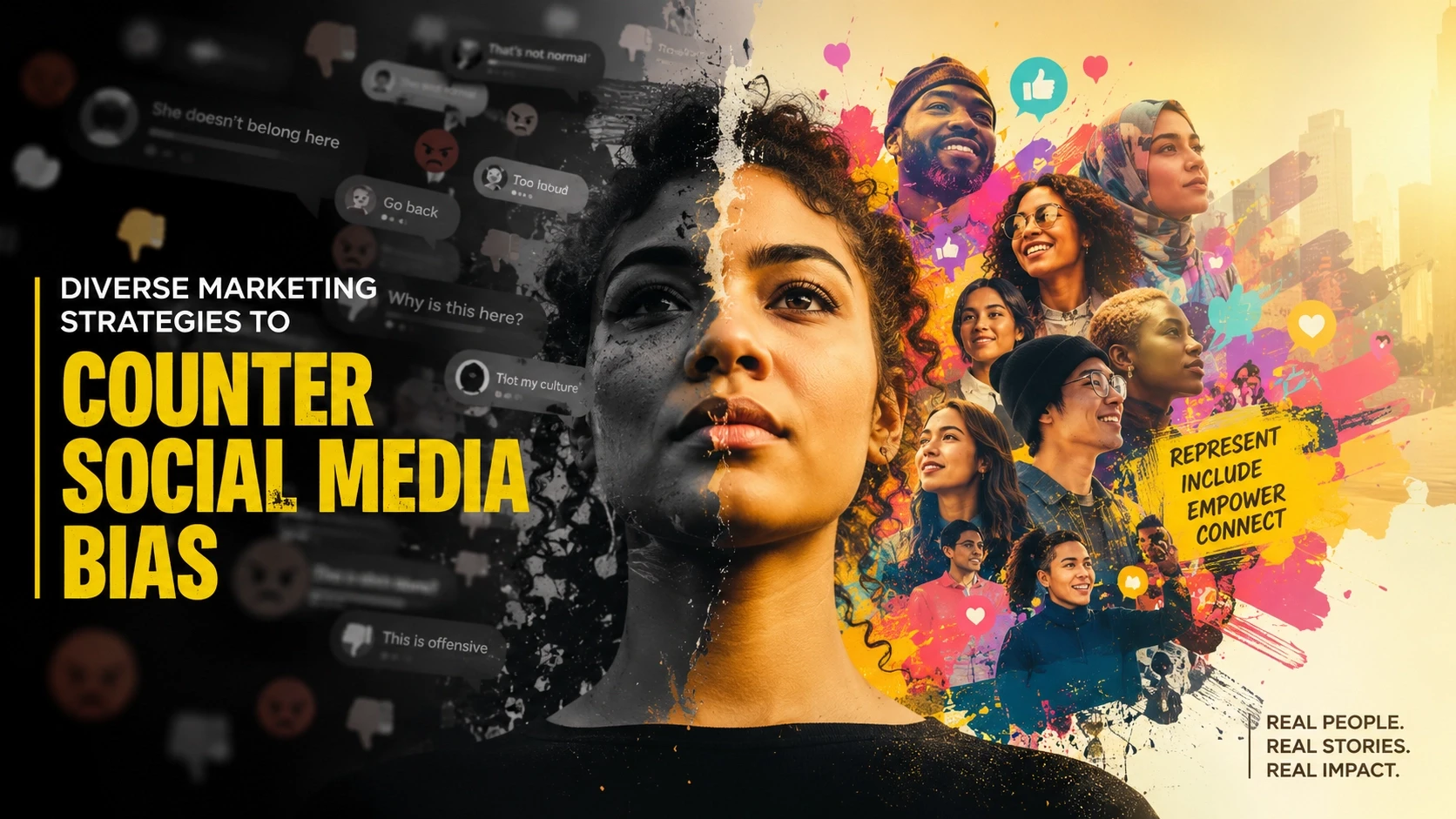
Diverse Marketing Strategies to Counter Social Media Bias
MIT neuroscientists found it takes just 13 milliseconds for our brains to process an image. In an age of algorithmic echo chambers, here is how diverse marketing strategies can break the cycle.
⏱ 5 min read
By mediareach
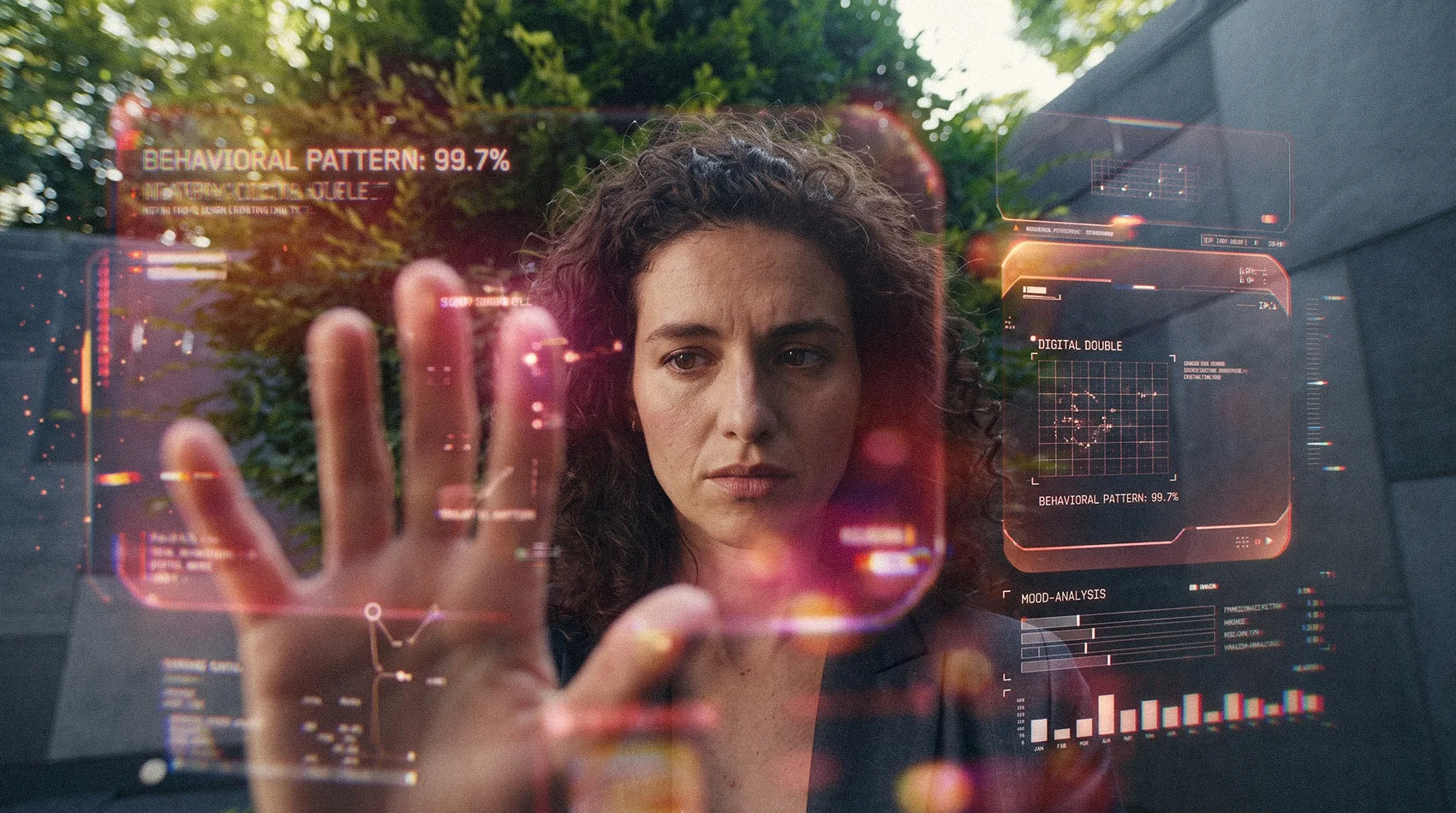
A team of neuroscientists from MIT found that it takes only 13 milliseconds for our brains to process images. Before we are even aware of what we are looking at, we have already started making unconscious assumptions about it. In an era when the average UK adult spends over two hours per day on social media, exposed to thousands of algorithmically curated images, the question is urgent: how does social media amplify unconscious bias, and what can marketers do to fight back?

What Is Unconscious Bias?
Unconscious bias is the set of assumptions and associations our brains make automatically, without conscious thought. Our brains are hardwired to form connections continuously. While many are harmless, when these associations involve people, they can be based on age, ethnicity, sexuality, and gender — often producing false and damaging conclusions.
Over the past two decades, implicit bias has become a central topic in workplace diversity. The Implicit Association Test, created by Anthony Greenwald in 1995 and detailed in his book Blindspot: Hidden Biases of Good People, has informed corporate training sessions worldwide. Yet training alone cannot counteract the sheer volume of biased imagery that social media algorithms push into our feeds every day.
13ms
time for the brain to process an image and form unconscious assumptions
2hrs+
average daily social media use for UK adults, exposing them to thousands of curated images
80%
of far-right users' audience on Twitter were also right-leaning, with virtually no cross-ideological exposure
60%
of consumers believe brands have a responsibility to combat racial injustice

The Social Media Echo Chamber
The echo chamber phenomenon has been one of the most discussed consequences of social media algorithms. Users are increasingly exposed to opinions that reinforce their existing worldview. Algorithms base suggestions and ads on past engagement, creating feedback loops that separate people into isolated online bubbles.
Research published in PNAS confirms that information diffusion on Twitter and Facebook is biased toward users who share similar political leanings. On Twitter, about 80% of the audience reached by far-right users were also right-leaning, with virtually no retweeters from the opposite party. The echo chamber effect was much more prominent on the far-right than the far-left. Information rarely travelled in or out of the right-leaning bubble, forming what researchers called "a small yet intense political bubble."
A 2026 study by the Behavioural Insights Team commissioned by Finnish innovation fund Sitra used 24 simulated avatars to test how algorithms shape young people's worldviews across TikTok, Instagram, and X. The findings were striking: right-wing content accounted for 58% of all politically classified posts, even when avatars signalled exclusive interest in left-wing politics. 67% of all political content encountered was opinion-based, entertainment, and unverifiable — including AI-generated videos of gorillas telling misogynistic and xenophobic jokes. 50% of young respondents reported feeling disappointment, fear, anger, or sadness when encountering political discussions on these platforms.
"Technology and social media can also be a force for good. If people choose to be curious, they can expand their horizons and tap into much more diverse networks."
Marjorie Strachan
Global Head of Inclusion, Royal Bank of Scotland
The Social Media Echo Chamber
The echo chamber phenomenon has been one of the most discussed consequences of social media algorithms. Users are increasingly exposed to opinions that reinforce their existing worldview. Algorithms base suggestions and ads on past engagement, creating feedback loops that separate people into isolated online bubbles.
Research published in PNAS confirms that information diffusion on Twitter and Facebook is biased toward users who share similar political leanings. On Twitter, about 80% of the audience reached by far-right users were also right-leaning, with virtually no retweeters from the opposite party. The echo chamber effect was much more prominent on the far-right than the far-left. Information rarely travelled in or out of the right-leaning bubble, forming what researchers called "a small yet intense political bubble."
A 2026 study by the Behavioural Insights Team commissioned by Finnish innovation fund Sitra used 24 simulated avatars to test how algorithms shape young people's worldviews across TikTok, Instagram, and X. The findings were striking: right-wing content accounted for 58% of all politically classified posts, even when avatars signalled exclusive interest in left-wing politics. 67% of all political content encountered was opinion-based, entertainment, and unverifiable — including AI-generated videos of gorillas telling misogynistic and xenophobic jokes. 50% of young respondents reported feeling disappointment, fear, anger, or sadness when encountering political discussions on these platforms.
How Algorithms Amplify Bias on a Personal Level
The same mechanisms that create political echo chambers also reinforce unconscious bias on an interpersonal level. If a user's feed only shows content aligned with their worldview, they are also more likely to see images of people who look like themselves and lead similar lives. Instagram's image recognition technology assesses which posts users are drawn to based on visual similarity, not just hashtags or keywords. This means people are more likely to see and engage with content featuring people of their own ethnicity or cultural background.
The Institute for Strategic Dialogue's 2024 audit of TikTok's search engine found even more troubling patterns. Across English, French, German, and Hungarian, TikTok's algorithms associated members of marginalised groups with hateful and violent search prompts. In nearly two-thirds of the 300 videos examined, the search engine perpetuated harmful stereotypes, systematically associating presumed members of marginalised groups with derogatory terms. The algorithms effectively created pathways connecting users searching for hateful language with content targeting marginalised communities.
For multicultural marketers, this is not abstract theory. It is the environment in which every campaign operates. The algorithms that determine which ads users see, which influencers they follow, and which content they trust are actively working to keep people in their bubbles. Breaking through requires deliberate, culturally intelligent strategy.
Counter-Stereotypical Imagery: The Evidence
Research: University of Strathclyde study on implicit gender bias Finding: Implicit gender bias decreased significantly after exposure to counter-stereotypical images Mechanism: Visual exposure rewires automatic associations between gender and profession Application: Deliberately flipping age, gender, and racial stereotypes in marketing creative Impact: Reduces unconscious bias while expanding brand relevance to underrepresented audiences
How Diverse Marketing Strategies Can Fight Back
Brands have a responsibility — and an opportunity — to counteract algorithmic bias through deliberate marketing strategy. The Edelman Trust Barometer found that 60% of consumers believe brands have a responsibility to invest in efforts to combat the causes of racial injustice. For multicultural marketers, this is not corporate social responsibility. It is competitive advantage.
1. Deploy Counter-Stereotypical Imagery
Research conducted by the University of Strathclyde found that implicit gender bias in individuals decreased significantly after they were shown pictures of men and women in professions that went against typical gender stereotypes. Deliberately flipping age, gender, or racial stereotypes in marketing is a powerful way of changing the associations people make with certain activities and lifestyles. A South Asian woman as a construction site manager. A Black man as a primary school teacher. An older woman as a tech startup founder. These images do not just represent diversity. They rewire neural pathways.
2. Adopt Inclusive Language
Inclusive language is a simple yet effective way of making everyone feel welcome. Gender-neutral terms, culturally appropriate phrasing, and avoiding assumptions about family structure, religion, or background all signal that a brand sees its entire audience. For multicultural communities, language is often the first filter through which they judge whether a brand truly understands them or is simply translating mainstream messaging.
3. Show Diverse Leadership
Research shows that individuals respond well and feel empowered when they have role models who share their background and identity. Using marketing to show inspirational, positive figures in positions of power is highly effective in fighting implicit bias. For ethnic minority audiences who rarely see themselves in leadership roles across mainstream media, this representation carries particular weight. It says: you belong here, you can lead here, this brand sees you.
4. Amplify Marginalised Voices
Seek out effective partnerships and use your platform to amplify a range of voices from varied backgrounds. This helps voices gain exposure that might otherwise be silenced, expands your client base, and helps people engage with one another outside their social media bubbles. For multicultural marketers, this means going beyond transactional influencer relationships to sustained partnerships with community leaders, ethnic media editors, and cultural ambassadors who have earned credibility over years.
5. Build Diverse Teams
Employing a diverse marketing team from various backgrounds is the most effective tool for ensuring content is authentic and inclusive. Individuals who are culturally fluent within different demographics help content stay fresh, relevant, and free of blind spots. Mediareach has built its four-decade reputation on precisely this principle: strategists, creatives, and media planners drawn from the communities they serve, bringing lived experience to every brief.
Excite, Don't Lecture
As Stephen Frost, Chief Executive of Frost Included, observes: "We need to excite employees about difference. Not every demographic is going to be open or responsive to an overtly stereotype-subverting stance, but it remains possible to play to the things they are likely to already love: travel, foreign food, and exchange of personal stories and differing points of view. Having an in-depth understanding of how your demographic is likely to respond to a campaign is essential."
This principle applies equally to external marketing. The most effective diverse marketing does not preach. It invites. It shows the joy of cross-cultural connection, the richness of different perspectives, and the shared human experiences that transcend demographic boundaries. It meets audiences where they are and expands their horizons without making them feel judged.
The strategic imperative:
Social media algorithms will not fix themselves. Instagram has announced efforts to make its platform fairer, and regulators are increasingly scrutinising algorithmic bias. But the most powerful counterweight is deliberate, culturally intelligent marketing that actively disrupts echo chambers rather than reinforcing them. The brands that lead on this will not just do good. They will win.

Break the Bubble with Culturally Intelligent Marketing
Mediareach combines four decades of multicultural expertise with strategic rigour to help brands create marketing that challenges bias, builds trust, and connects with Britain's diverse communities.
Sources & References
MIT News, "In the blink of an eye," Research on 13 millisecond image processing. news.mit.edu
Understanding Prejudice, Implicit Association Test / Implicit Bias Test by Anthony Greenwald (1995). understandingprejudice.org
Greenwald, A. & Banaji, M., "Blindspot: Hidden Biases of Good People" (2013).
GCFLearnFree.org, "What is an Echo Chamber?" gcfglobal.org
The Guardian, Concerns about social media echo chambers and societal impact. theguardian.com
Whatagraph, "Average adult spending 3 hours per day on social media" (2020). whatagraph.com
MobileAppDaily, Instagram's use of image recognition technology. mobileappdaily.com
Wall Street Journal, Reporting on algorithmic bias and ethnicity in content feeds. wsj.com
Edelman Trust Barometer / AdWeek, "60% of US consumers feel brands have responsibility to combat racial injustice" (2020). adweek.com
University of Strathclyde, Research on counter-stereotypical imagery reducing implicit gender bias. strath.ac.uk
WARC, "Powerful way of changing associations through stereotype-flipping in advertising." warc.com
Linguistic Society of America, Inclusive Language Guidelines. linguisticsociety.org
Raconteur, "How diversity initiatives can build on what people love" – Stephen Frost interview. raconteur.net
University of Edinburgh, Research on role models and empowerment. ed.ac.uk
i-D / Vice, "Amplify a range of voices from a variety of backgrounds." vice.com
Forbes, Importance of diverse marketing teams for authentic content. forbes.com
Instagram Blog, "Working on algorithm to make platform fairer for all" (2021). about.instagram.com
Mediareach, "Diversity & Inclusive Marketing Services," 2026. mediareach.co
unconscious bias social media
implicit bias marketing
diverse marketing strategies
multicultural advertising bias
inclusive marketing UK
counter-stereotypical imagery
inclusive language marketing
diverse representation advertising
unconscious bias marketing solutions
multicultural brand strategy
implicit bias reduction
algorithmic bias TikTok Instagram
echo chamber effect social media
diverse marketing teams
inclusive language marketing
The UK's pioneering multicultural marketing and advertising agency. Over 40 years connecting brands with diverse communities through cultural insight, creative excellence, and intelligent media strategy. mediareach.co
Jul 21, 2026
Diverse Marketing Strategies to Counter Social Media Bias
MIT neuroscientists found it takes just 13 milliseconds for our brains to process an image. In an age of algorithmic echo chambers, here is how diverse marketing strategies can break the cycle.
⏱ 5 min read
By mediareach
A team of neuroscientists from MIT found that it takes only 13 milliseconds for our brains to process images. Before we are even aware of what we are looking at, we have already started making unconscious assumptions about it. In an era when the average UK adult spends over two hours per day on social media, exposed to thousands of algorithmically curated images, the question is urgent: how does social media amplify unconscious bias, and what can marketers do to fight back?
What Is Unconscious Bias?
Unconscious bias is the set of assumptions and associations our brains make automatically, without conscious thought. Our brains are hardwired to form connections continuously. While many are harmless, when these associations involve people, they can be based on age, ethnicity, sexuality, and gender — often producing false and damaging conclusions.
Over the past two decades, implicit bias has become a central topic in workplace diversity. The Implicit Association Test, created by Anthony Greenwald in 1995 and detailed in his book Blindspot: Hidden Biases of Good People, has informed corporate training sessions worldwide. Yet training alone cannot counteract the sheer volume of biased imagery that social media algorithms push into our feeds every day.
13ms
time for the brain to process an image and form unconscious assumptions
2hrs+
average daily social media use for UK adults, exposing them to thousands of curated images
80%
of far-right users' audience on Twitter were also right-leaning, with virtually no cross-ideological exposure
60%
of consumers believe brands have a responsibility to combat racial injustice
The Social Media Echo Chamber
The echo chamber phenomenon has been one of the most discussed consequences of social media algorithms. Users are increasingly exposed to opinions that reinforce their existing worldview. Algorithms base suggestions and ads on past engagement, creating feedback loops that separate people into isolated online bubbles.
Research published in PNAS confirms that information diffusion on Twitter and Facebook is biased toward users who share similar political leanings. On Twitter, about 80% of the audience reached by far-right users were also right-leaning, with virtually no retweeters from the opposite party. The echo chamber effect was much more prominent on the far-right than the far-left. Information rarely travelled in or out of the right-leaning bubble, forming what researchers called "a small yet intense political bubble."
A 2026 study by the Behavioural Insights Team commissioned by Finnish innovation fund Sitra used 24 simulated avatars to test how algorithms shape young people's worldviews across TikTok, Instagram, and X. The findings were striking: right-wing content accounted for 58% of all politically classified posts, even when avatars signalled exclusive interest in left-wing politics. 67% of all political content encountered was opinion-based, entertainment, and unverifiable — including AI-generated videos of gorillas telling misogynistic and xenophobic jokes. 50% of young respondents reported feeling disappointment, fear, anger, or sadness when encountering political discussions on these platforms.
"Technology and social media can also be a force for good. If people choose to be curious, they can expand their horizons and tap into much more diverse networks."
Marjorie Strachan
Global Head of Inclusion, Royal Bank of Scotland
The Social Media Echo Chamber
The echo chamber phenomenon has been one of the most discussed consequences of social media algorithms. Users are increasingly exposed to opinions that reinforce their existing worldview. Algorithms base suggestions and ads on past engagement, creating feedback loops that separate people into isolated online bubbles.
Research published in PNAS confirms that information diffusion on Twitter and Facebook is biased toward users who share similar political leanings. On Twitter, about 80% of the audience reached by far-right users were also right-leaning, with virtually no retweeters from the opposite party. The echo chamber effect was much more prominent on the far-right than the far-left. Information rarely travelled in or out of the right-leaning bubble, forming what researchers called "a small yet intense political bubble."
A 2026 study by the Behavioural Insights Team commissioned by Finnish innovation fund Sitra used 24 simulated avatars to test how algorithms shape young people's worldviews across TikTok, Instagram, and X. The findings were striking: right-wing content accounted for 58% of all politically classified posts, even when avatars signalled exclusive interest in left-wing politics. 67% of all political content encountered was opinion-based, entertainment, and unverifiable — including AI-generated videos of gorillas telling misogynistic and xenophobic jokes. 50% of young respondents reported feeling disappointment, fear, anger, or sadness when encountering political discussions on these platforms.
How Algorithms Amplify Bias on a Personal Level
The same mechanisms that create political echo chambers also reinforce unconscious bias on an interpersonal level. If a user's feed only shows content aligned with their worldview, they are also more likely to see images of people who look like themselves and lead similar lives. Instagram's image recognition technology assesses which posts users are drawn to based on visual similarity, not just hashtags or keywords. This means people are more likely to see and engage with content featuring people of their own ethnicity or cultural background.
The Institute for Strategic Dialogue's 2024 audit of TikTok's search engine found even more troubling patterns. Across English, French, German, and Hungarian, TikTok's algorithms associated members of marginalised groups with hateful and violent search prompts. In nearly two-thirds of the 300 videos examined, the search engine perpetuated harmful stereotypes, systematically associating presumed members of marginalised groups with derogatory terms. The algorithms effectively created pathways connecting users searching for hateful language with content targeting marginalised communities.
For multicultural marketers, this is not abstract theory. It is the environment in which every campaign operates. The algorithms that determine which ads users see, which influencers they follow, and which content they trust are actively working to keep people in their bubbles. Breaking through requires deliberate, culturally intelligent strategy.
Counter-Stereotypical Imagery: The Evidence
Research: University of Strathclyde study on implicit gender bias Finding: Implicit gender bias decreased significantly after exposure to counter-stereotypical images Mechanism: Visual exposure rewires automatic associations between gender and profession Application: Deliberately flipping age, gender, and racial stereotypes in marketing creative Impact: Reduces unconscious bias while expanding brand relevance to underrepresented audiences
How Diverse Marketing Strategies Can Fight Back
Brands have a responsibility — and an opportunity — to counteract algorithmic bias through deliberate marketing strategy. The Edelman Trust Barometer found that 60% of consumers believe brands have a responsibility to invest in efforts to combat the causes of racial injustice. For multicultural marketers, this is not corporate social responsibility. It is competitive advantage.
1. Deploy Counter-Stereotypical Imagery
Research conducted by the University of Strathclyde found that implicit gender bias in individuals decreased significantly after they were shown pictures of men and women in professions that went against typical gender stereotypes. Deliberately flipping age, gender, or racial stereotypes in marketing is a powerful way of changing the associations people make with certain activities and lifestyles. A South Asian woman as a construction site manager. A Black man as a primary school teacher. An older woman as a tech startup founder. These images do not just represent diversity. They rewire neural pathways.
2. Adopt Inclusive Language
Inclusive language is a simple yet effective way of making everyone feel welcome. Gender-neutral terms, culturally appropriate phrasing, and avoiding assumptions about family structure, religion, or background all signal that a brand sees its entire audience. For multicultural communities, language is often the first filter through which they judge whether a brand truly understands them or is simply translating mainstream messaging.
3. Show Diverse Leadership
Research shows that individuals respond well and feel empowered when they have role models who share their background and identity. Using marketing to show inspirational, positive figures in positions of power is highly effective in fighting implicit bias. For ethnic minority audiences who rarely see themselves in leadership roles across mainstream media, this representation carries particular weight. It says: you belong here, you can lead here, this brand sees you.
4. Amplify Marginalised Voices
Seek out effective partnerships and use your platform to amplify a range of voices from varied backgrounds. This helps voices gain exposure that might otherwise be silenced, expands your client base, and helps people engage with one another outside their social media bubbles. For multicultural marketers, this means going beyond transactional influencer relationships to sustained partnerships with community leaders, ethnic media editors, and cultural ambassadors who have earned credibility over years.
5. Build Diverse Teams
Employing a diverse marketing team from various backgrounds is the most effective tool for ensuring content is authentic and inclusive. Individuals who are culturally fluent within different demographics help content stay fresh, relevant, and free of blind spots. Mediareach has built its four-decade reputation on precisely this principle: strategists, creatives, and media planners drawn from the communities they serve, bringing lived experience to every brief.
Excite, Don't Lecture
As Stephen Frost, Chief Executive of Frost Included, observes: "We need to excite employees about difference. Not every demographic is going to be open or responsive to an overtly stereotype-subverting stance, but it remains possible to play to the things they are likely to already love: travel, foreign food, and exchange of personal stories and differing points of view. Having an in-depth understanding of how your demographic is likely to respond to a campaign is essential."
This principle applies equally to external marketing. The most effective diverse marketing does not preach. It invites. It shows the joy of cross-cultural connection, the richness of different perspectives, and the shared human experiences that transcend demographic boundaries. It meets audiences where they are and expands their horizons without making them feel judged.
The strategic imperative:
Social media algorithms will not fix themselves. Instagram has announced efforts to make its platform fairer, and regulators are increasingly scrutinising algorithmic bias. But the most powerful counterweight is deliberate, culturally intelligent marketing that actively disrupts echo chambers rather than reinforcing them. The brands that lead on this will not just do good. They will win.
Break the Bubble with Culturally Intelligent Marketing
Mediareach combines four decades of multicultural expertise with strategic rigour to help brands create marketing that challenges bias, builds trust, and connects with Britain's diverse communities.
Sources & References
MIT News, "In the blink of an eye," Research on 13 millisecond image processing. news.mit.edu
Understanding Prejudice, Implicit Association Test / Implicit Bias Test by Anthony Greenwald (1995). understandingprejudice.org
Greenwald, A. & Banaji, M., "Blindspot: Hidden Biases of Good People" (2013).
GCFLearnFree.org, "What is an Echo Chamber?" gcfglobal.org
The Guardian, Concerns about social media echo chambers and societal impact. theguardian.com
Whatagraph, "Average adult spending 3 hours per day on social media" (2020). whatagraph.com
MobileAppDaily, Instagram's use of image recognition technology. mobileappdaily.com
Wall Street Journal, Reporting on algorithmic bias and ethnicity in content feeds. wsj.com
Edelman Trust Barometer / AdWeek, "60% of US consumers feel brands have responsibility to combat racial injustice" (2020). adweek.com
University of Strathclyde, Research on counter-stereotypical imagery reducing implicit gender bias. strath.ac.uk
WARC, "Powerful way of changing associations through stereotype-flipping in advertising." warc.com
Linguistic Society of America, Inclusive Language Guidelines. linguisticsociety.org
Raconteur, "How diversity initiatives can build on what people love" – Stephen Frost interview. raconteur.net
University of Edinburgh, Research on role models and empowerment. ed.ac.uk
i-D / Vice, "Amplify a range of voices from a variety of backgrounds." vice.com
Forbes, Importance of diverse marketing teams for authentic content. forbes.com
Instagram Blog, "Working on algorithm to make platform fairer for all" (2021). about.instagram.com
Mediareach, "Diversity & Inclusive Marketing Services," 2026. mediareach.co
unconscious bias social media
implicit bias marketing
diverse marketing strategies
multicultural advertising bias
inclusive marketing UK
counter-stereotypical imagery
inclusive language marketing
diverse representation advertising
unconscious bias marketing solutions
multicultural brand strategy
implicit bias reduction
algorithmic bias TikTok Instagram
echo chamber effect social media
diverse marketing teams
inclusive language marketing
The UK's pioneering multicultural marketing and advertising agency. Over 40 years connecting brands with diverse communities through cultural insight, creative excellence, and intelligent media strategy. mediareach.co
Jul 21, 2026
Diverse Marketing Strategies to Counter Social Media Bias
MIT neuroscientists found it takes just 13 milliseconds for our brains to process an image. In an age of algorithmic echo chambers, here is how diverse marketing strategies can break the cycle.
⏱ 5 min read
By mediareach
A team of neuroscientists from MIT found that it takes only 13 milliseconds for our brains to process images. Before we are even aware of what we are looking at, we have already started making unconscious assumptions about it. In an era when the average UK adult spends over two hours per day on social media, exposed to thousands of algorithmically curated images, the question is urgent: how does social media amplify unconscious bias, and what can marketers do to fight back?
What Is Unconscious Bias?
Unconscious bias is the set of assumptions and associations our brains make automatically, without conscious thought. Our brains are hardwired to form connections continuously. While many are harmless, when these associations involve people, they can be based on age, ethnicity, sexuality, and gender — often producing false and damaging conclusions.
Over the past two decades, implicit bias has become a central topic in workplace diversity. The Implicit Association Test, created by Anthony Greenwald in 1995 and detailed in his book Blindspot: Hidden Biases of Good People, has informed corporate training sessions worldwide. Yet training alone cannot counteract the sheer volume of biased imagery that social media algorithms push into our feeds every day.
13ms
time for the brain to process an image and form unconscious assumptions
2hrs+
average daily social media use for UK adults, exposing them to thousands of curated images
80%
of far-right users' audience on Twitter were also right-leaning, with virtually no cross-ideological exposure
60%
of consumers believe brands have a responsibility to combat racial injustice
The Social Media Echo Chamber
The echo chamber phenomenon has been one of the most discussed consequences of social media algorithms. Users are increasingly exposed to opinions that reinforce their existing worldview. Algorithms base suggestions and ads on past engagement, creating feedback loops that separate people into isolated online bubbles.
Research published in PNAS confirms that information diffusion on Twitter and Facebook is biased toward users who share similar political leanings. On Twitter, about 80% of the audience reached by far-right users were also right-leaning, with virtually no retweeters from the opposite party. The echo chamber effect was much more prominent on the far-right than the far-left. Information rarely travelled in or out of the right-leaning bubble, forming what researchers called "a small yet intense political bubble."
A 2026 study by the Behavioural Insights Team commissioned by Finnish innovation fund Sitra used 24 simulated avatars to test how algorithms shape young people's worldviews across TikTok, Instagram, and X. The findings were striking: right-wing content accounted for 58% of all politically classified posts, even when avatars signalled exclusive interest in left-wing politics. 67% of all political content encountered was opinion-based, entertainment, and unverifiable — including AI-generated videos of gorillas telling misogynistic and xenophobic jokes. 50% of young respondents reported feeling disappointment, fear, anger, or sadness when encountering political discussions on these platforms.
"Technology and social media can also be a force for good. If people choose to be curious, they can expand their horizons and tap into much more diverse networks."
Marjorie Strachan
Global Head of Inclusion, Royal Bank of Scotland
The Social Media Echo Chamber
The echo chamber phenomenon has been one of the most discussed consequences of social media algorithms. Users are increasingly exposed to opinions that reinforce their existing worldview. Algorithms base suggestions and ads on past engagement, creating feedback loops that separate people into isolated online bubbles.
Research published in PNAS confirms that information diffusion on Twitter and Facebook is biased toward users who share similar political leanings. On Twitter, about 80% of the audience reached by far-right users were also right-leaning, with virtually no retweeters from the opposite party. The echo chamber effect was much more prominent on the far-right than the far-left. Information rarely travelled in or out of the right-leaning bubble, forming what researchers called "a small yet intense political bubble."
A 2026 study by the Behavioural Insights Team commissioned by Finnish innovation fund Sitra used 24 simulated avatars to test how algorithms shape young people's worldviews across TikTok, Instagram, and X. The findings were striking: right-wing content accounted for 58% of all politically classified posts, even when avatars signalled exclusive interest in left-wing politics. 67% of all political content encountered was opinion-based, entertainment, and unverifiable — including AI-generated videos of gorillas telling misogynistic and xenophobic jokes. 50% of young respondents reported feeling disappointment, fear, anger, or sadness when encountering political discussions on these platforms.
How Algorithms Amplify Bias on a Personal Level
The same mechanisms that create political echo chambers also reinforce unconscious bias on an interpersonal level. If a user's feed only shows content aligned with their worldview, they are also more likely to see images of people who look like themselves and lead similar lives. Instagram's image recognition technology assesses which posts users are drawn to based on visual similarity, not just hashtags or keywords. This means people are more likely to see and engage with content featuring people of their own ethnicity or cultural background.
The Institute for Strategic Dialogue's 2024 audit of TikTok's search engine found even more troubling patterns. Across English, French, German, and Hungarian, TikTok's algorithms associated members of marginalised groups with hateful and violent search prompts. In nearly two-thirds of the 300 videos examined, the search engine perpetuated harmful stereotypes, systematically associating presumed members of marginalised groups with derogatory terms. The algorithms effectively created pathways connecting users searching for hateful language with content targeting marginalised communities.
For multicultural marketers, this is not abstract theory. It is the environment in which every campaign operates. The algorithms that determine which ads users see, which influencers they follow, and which content they trust are actively working to keep people in their bubbles. Breaking through requires deliberate, culturally intelligent strategy.
Counter-Stereotypical Imagery: The Evidence
Research: University of Strathclyde study on implicit gender bias Finding: Implicit gender bias decreased significantly after exposure to counter-stereotypical images Mechanism: Visual exposure rewires automatic associations between gender and profession Application: Deliberately flipping age, gender, and racial stereotypes in marketing creative Impact: Reduces unconscious bias while expanding brand relevance to underrepresented audiences
How Diverse Marketing Strategies Can Fight Back
Brands have a responsibility — and an opportunity — to counteract algorithmic bias through deliberate marketing strategy. The Edelman Trust Barometer found that 60% of consumers believe brands have a responsibility to invest in efforts to combat the causes of racial injustice. For multicultural marketers, this is not corporate social responsibility. It is competitive advantage.
1. Deploy Counter-Stereotypical Imagery
Research conducted by the University of Strathclyde found that implicit gender bias in individuals decreased significantly after they were shown pictures of men and women in professions that went against typical gender stereotypes. Deliberately flipping age, gender, or racial stereotypes in marketing is a powerful way of changing the associations people make with certain activities and lifestyles. A South Asian woman as a construction site manager. A Black man as a primary school teacher. An older woman as a tech startup founder. These images do not just represent diversity. They rewire neural pathways.
2. Adopt Inclusive Language
Inclusive language is a simple yet effective way of making everyone feel welcome. Gender-neutral terms, culturally appropriate phrasing, and avoiding assumptions about family structure, religion, or background all signal that a brand sees its entire audience. For multicultural communities, language is often the first filter through which they judge whether a brand truly understands them or is simply translating mainstream messaging.
3. Show Diverse Leadership
Research shows that individuals respond well and feel empowered when they have role models who share their background and identity. Using marketing to show inspirational, positive figures in positions of power is highly effective in fighting implicit bias. For ethnic minority audiences who rarely see themselves in leadership roles across mainstream media, this representation carries particular weight. It says: you belong here, you can lead here, this brand sees you.
4. Amplify Marginalised Voices
Seek out effective partnerships and use your platform to amplify a range of voices from varied backgrounds. This helps voices gain exposure that might otherwise be silenced, expands your client base, and helps people engage with one another outside their social media bubbles. For multicultural marketers, this means going beyond transactional influencer relationships to sustained partnerships with community leaders, ethnic media editors, and cultural ambassadors who have earned credibility over years.
5. Build Diverse Teams
Employing a diverse marketing team from various backgrounds is the most effective tool for ensuring content is authentic and inclusive. Individuals who are culturally fluent within different demographics help content stay fresh, relevant, and free of blind spots. Mediareach has built its four-decade reputation on precisely this principle: strategists, creatives, and media planners drawn from the communities they serve, bringing lived experience to every brief.
Excite, Don't Lecture
As Stephen Frost, Chief Executive of Frost Included, observes: "We need to excite employees about difference. Not every demographic is going to be open or responsive to an overtly stereotype-subverting stance, but it remains possible to play to the things they are likely to already love: travel, foreign food, and exchange of personal stories and differing points of view. Having an in-depth understanding of how your demographic is likely to respond to a campaign is essential."
This principle applies equally to external marketing. The most effective diverse marketing does not preach. It invites. It shows the joy of cross-cultural connection, the richness of different perspectives, and the shared human experiences that transcend demographic boundaries. It meets audiences where they are and expands their horizons without making them feel judged.
The strategic imperative:
Social media algorithms will not fix themselves. Instagram has announced efforts to make its platform fairer, and regulators are increasingly scrutinising algorithmic bias. But the most powerful counterweight is deliberate, culturally intelligent marketing that actively disrupts echo chambers rather than reinforcing them. The brands that lead on this will not just do good. They will win.
Break the Bubble with Culturally Intelligent Marketing
Mediareach combines four decades of multicultural expertise with strategic rigour to help brands create marketing that challenges bias, builds trust, and connects with Britain's diverse communities.
Sources & References
MIT News, "In the blink of an eye," Research on 13 millisecond image processing. news.mit.edu
Understanding Prejudice, Implicit Association Test / Implicit Bias Test by Anthony Greenwald (1995). understandingprejudice.org
Greenwald, A. & Banaji, M., "Blindspot: Hidden Biases of Good People" (2013).
GCFLearnFree.org, "What is an Echo Chamber?" gcfglobal.org
The Guardian, Concerns about social media echo chambers and societal impact. theguardian.com
Whatagraph, "Average adult spending 3 hours per day on social media" (2020). whatagraph.com
MobileAppDaily, Instagram's use of image recognition technology. mobileappdaily.com
Wall Street Journal, Reporting on algorithmic bias and ethnicity in content feeds. wsj.com
Edelman Trust Barometer / AdWeek, "60% of US consumers feel brands have responsibility to combat racial injustice" (2020). adweek.com
University of Strathclyde, Research on counter-stereotypical imagery reducing implicit gender bias. strath.ac.uk
WARC, "Powerful way of changing associations through stereotype-flipping in advertising." warc.com
Linguistic Society of America, Inclusive Language Guidelines. linguisticsociety.org
Raconteur, "How diversity initiatives can build on what people love" – Stephen Frost interview. raconteur.net
University of Edinburgh, Research on role models and empowerment. ed.ac.uk
i-D / Vice, "Amplify a range of voices from a variety of backgrounds." vice.com
Forbes, Importance of diverse marketing teams for authentic content. forbes.com
Instagram Blog, "Working on algorithm to make platform fairer for all" (2021). about.instagram.com
Mediareach, "Diversity & Inclusive Marketing Services," 2026. mediareach.co
unconscious bias social media
implicit bias marketing
diverse marketing strategies
multicultural advertising bias
inclusive marketing UK
counter-stereotypical imagery
inclusive language marketing
diverse representation advertising
unconscious bias marketing solutions
multicultural brand strategy
implicit bias reduction
algorithmic bias TikTok Instagram
echo chamber effect social media
diverse marketing teams
inclusive language marketing
The UK's pioneering multicultural marketing and advertising agency. Over 40 years connecting brands with diverse communities through cultural insight, creative excellence, and intelligent media strategy. mediareach.co