
Jun 2, 2020
The Trends of Influencer Marketing in 2020
92% trust recommendations, 40% buy after seeing an influencer, and micro beats macro on engagement. Here are the trends that defined 2020.
⏱ 4 min read
By mediareach
In a fast-paced digital world, consumers are more savvy, demanding and discerning than ever. To make a purchase, they don't look for ads, they look for people they trust as experts. That's why influencer marketing became essential.
Why Influencer Marketing Works
According to Nielsen, 92% of people trust recommendations from individuals, even if they don't know them. AdWeek reported that 40% of people purchase a product online after seeing it used by an influencer on social media.
That trust translates into results: collaborating with influencers raises brand awareness, strengthens reputation, improves engagement and increases conversions. 89% of marketers say ROI from influencer marketing is comparable or better than other channels. No surprise that brands were set to spend up to $15 billion on influencer marketing by 2022, with 74% planning to activate influencer as much or more as before COVID.
92% trust recommendations from individuals, even if they don't know them. 40% purchase after seeing an influencer use it.
Nielsen & AdWeek — Influencer Trust Data
Platform Shift: Instagram Dominates, Facebook Fades
Instagram remains the most important channel, with more than 90% of brands including it in their marketing mix according to CreatorIQ.
Facebook has lost favour. Back in 2015 it was included in 75% of all influencer campaigns. In 2018 it was used in less than half, and by 2019 support dropped to approximately 40%.
Micro vs Macro: Community Beats Celebrity
When choosing influencers, objectives must be clear.
Macro-influencers, celebrities or personalities with more than 100,000 followers — deliver killer visibility. If your goal is awareness, they make sense.
Micro-influencers win on engagement. Their success is built on community and connection, answering DMs, replying to comments, liking posts within their community.

The State of Influencer Marketing 2020 Benchmark Report analysed more than 100,000 profiles across Instagram, TikTok and Twitter. The conclusion was clear: influencers with a high number of followers have lower engagement than those with fewer followers.
This is most evident on Instagram, but also on TikTok: smaller TikTok influencers boast 9.38% engagement, yet superstars only have 5.3%.
Need an Influencer Strategy That Converts?
Mediareach helps brands choose micro vs macro, platform vs objective, and reach diverse audiences with authentic creators who drive engagement, not just reach.
Sources & References
Nielsen — 92% trust recommendations from individuals.
AdWeek — 40% purchase after seeing influencer use product.
89% marketers say ROI comparable or better; $15bn spend by 2022; 74% maintain/increase post-COVID.
CreatorIQ — 90%+ brands include Instagram; Facebook 75% in 2015 to 40% in 2019.
State of Influencer Marketing 2020 Benchmark Report — 100k profiles, high followers = lower engagement; TikTok 9.38% micro vs 5.3% superstar.
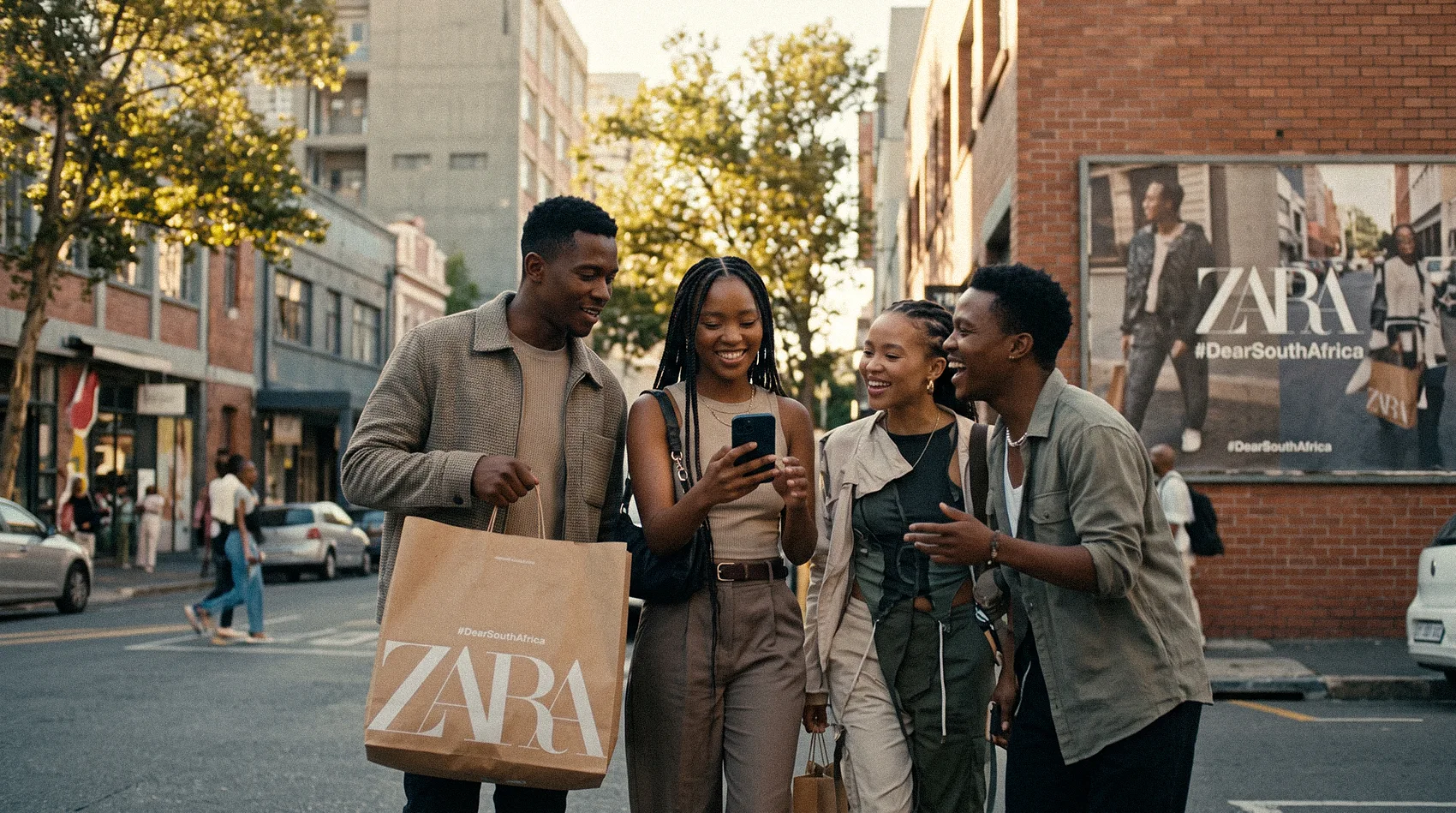
Meltwater — Zara #DearSouthAfrica 60 micro-influencers, 6M day before, 8M launch day.
influencer marketing trends 2020
micro vs macro influencers
Instagram influencer marketing
TikTok engagement rate 9.38%
Zara Dear South Africa campaign
influencer ROI 89%
influencer spend $15bn
CreatorIQ Instagram 90%
Facebook influencer decline
Mediareach influencer marketing
The UK's pioneering multicultural marketing and advertising agency. Over 40 years connecting brands with diverse communities through cultural insight, creative excellence, and intelligent media strategy.

Jun 2, 2020
The Trends of Influencer Marketing in 2020
92% trust recommendations, 40% buy after seeing an influencer, and micro beats macro on engagement. Here are the trends that defined 2020.
⏱ 4 min read
By mediareach
In a fast-paced digital world, consumers are more savvy, demanding and discerning than ever. To make a purchase, they don't look for ads, they look for people they trust as experts. That's why influencer marketing became essential.
Why Influencer Marketing Works
According to Nielsen, 92% of people trust recommendations from individuals, even if they don't know them. AdWeek reported that 40% of people purchase a product online after seeing it used by an influencer on social media.
That trust translates into results: collaborating with influencers raises brand awareness, strengthens reputation, improves engagement and increases conversions. 89% of marketers say ROI from influencer marketing is comparable or better than other channels. No surprise that brands were set to spend up to $15 billion on influencer marketing by 2022, with 74% planning to activate influencer as much or more as before COVID.
92% trust recommendations from individuals, even if they don't know them. 40% purchase after seeing an influencer use it.
Nielsen & AdWeek — Influencer Trust Data
Platform Shift: Instagram Dominates, Facebook Fades
Instagram remains the most important channel, with more than 90% of brands including it in their marketing mix according to CreatorIQ.
Facebook has lost favour. Back in 2015 it was included in 75% of all influencer campaigns. In 2018 it was used in less than half, and by 2019 support dropped to approximately 40%.
Micro vs Macro: Community Beats Celebrity
When choosing influencers, objectives must be clear.
Macro-influencers, celebrities or personalities with more than 100,000 followers — deliver killer visibility. If your goal is awareness, they make sense.
Micro-influencers win on engagement. Their success is built on community and connection, answering DMs, replying to comments, liking posts within their community.
The State of Influencer Marketing 2020 Benchmark Report analysed more than 100,000 profiles across Instagram, TikTok and Twitter. The conclusion was clear: influencers with a high number of followers have lower engagement than those with fewer followers.
This is most evident on Instagram, but also on TikTok: smaller TikTok influencers boast 9.38% engagement, yet superstars only have 5.3%.
Need an Influencer Strategy That Converts?
Mediareach helps brands choose micro vs macro, platform vs objective, and reach diverse audiences with authentic creators who drive engagement, not just reach.
Sources & References
Nielsen — 92% trust recommendations from individuals.
AdWeek — 40% purchase after seeing influencer use product.
89% marketers say ROI comparable or better; $15bn spend by 2022; 74% maintain/increase post-COVID.
CreatorIQ — 90%+ brands include Instagram; Facebook 75% in 2015 to 40% in 2019.
State of Influencer Marketing 2020 Benchmark Report — 100k profiles, high followers = lower engagement; TikTok 9.38% micro vs 5.3% superstar.
Meltwater — Zara #DearSouthAfrica 60 micro-influencers, 6M day before, 8M launch day.
influencer marketing trends 2020
micro vs macro influencers
Instagram influencer marketing
TikTok engagement rate 9.38%
Zara Dear South Africa campaign
influencer ROI 89%
influencer spend $15bn
CreatorIQ Instagram 90%
Facebook influencer decline
Mediareach influencer marketing
The UK's pioneering multicultural marketing and advertising agency. Over 40 years connecting brands with diverse communities through cultural insight, creative excellence, and intelligent media strategy.