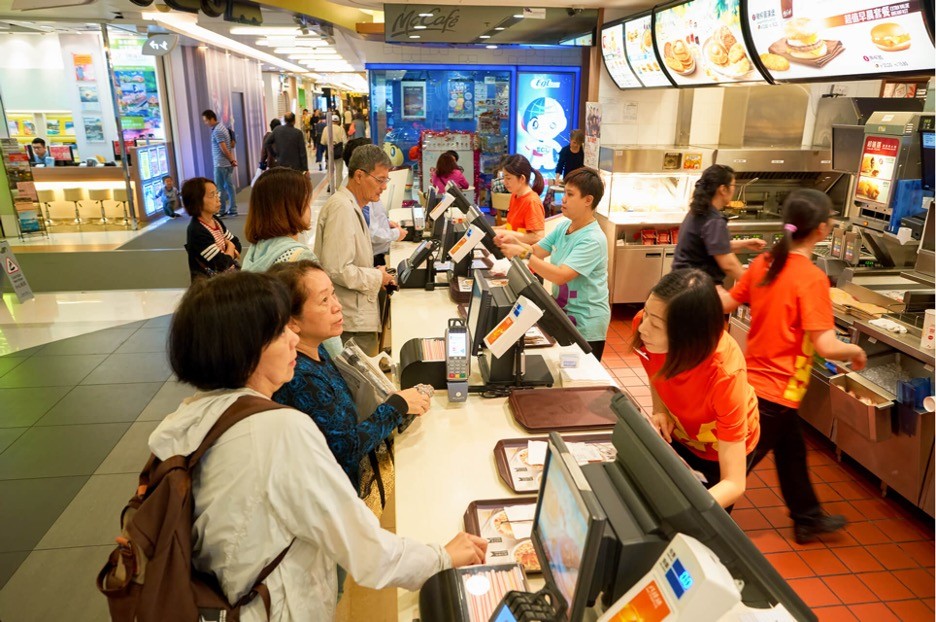
How F&B Brands Reach Diverse Consumer Markets
F&B brands enter diverse markets with localized menus packaging and cultural partnerships. Starbucks Japan 1500 stores McDonalds 119 countries Amstel China adaptation boost global growth
Venturing into foreign markets can be a major challenge for brands, but the food and beverage industry can be particularly difficult. For any company, the first step is to adapt their branding.
i.e. the logo, packaging, and in some cases, the store layout. While this is arguably the easiest part of the process, mistakes can still happen, like when KFC’s slogan “finger lickin’ good” was once mistranslated in China as “eat your fingers off.”
But just getting your translations right is not enough to succeed in a new market. Besides conquering the minds of a new audience, brands must also figure out how to please their taste buds as well. Therefore, ditching the one-size-fits-all approach and localising everything from brand image to the menus and product formulation is crucial. Something Coca-Cola knows very well.
To fully understand how the food and beverage industry localises its products when entering a new market, there are three useful case studies to look at. Two of them have already achieved great success, and one is just about to get started.
Starbucks – Partnering With Local Experts
As of 2020, Starbucks operates over 31,265 stores in more than 80 countries. The company ventured outside the North American market in 1996 with its first foreign store in Tokyo, Japan. Aware of the Japanese market’s complexity, it initially partnered with Sazabi League, a well-known retailer and restaurant chain, to negate any risks they might face in a new consumer environment.
Several changes were made to its menu in order to make it more suitable for local preferences. First, a variety of teas, namely matcha tea, were introduced, and blended beverages such as frappuccinos and juices, soon followed. Servings were made smaller, and drinks were less sweet. The partnership lasted until 2004, when Starbucks felt confident enough to go its own way and parted with Sazabi League.
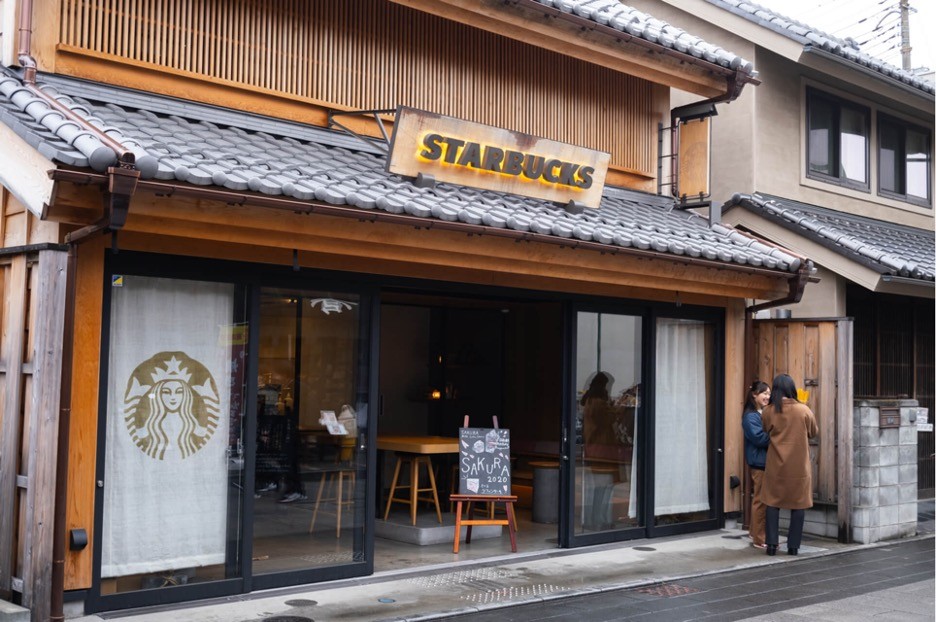
Starbucks now has more than 1,500 locations across Japan, with a key facet of their success being down to their decision to localise their stores’ architectural style. One great example is the Daizafu Tenmangu Omoestando store in Fukuoka in the south of the country. It was designed by renowned architect Kenmo Kuma using the ancient “Kigumi” technique, which consists of wooden joints being put together without using nails.
McDonald’s – The Importance Of Presentation
Starting out as a small chain of restaurants, with a limited menu of basic hamburgers and fries, McDonald’s, with its Golden Arches logo, is now one of the world’s most easily recognisable brands. Currently operating more than 38,600 stores in over 119 countries and territories, they are one of the most experienced companies in the food and drink industry when it comes to brand and product localisation.
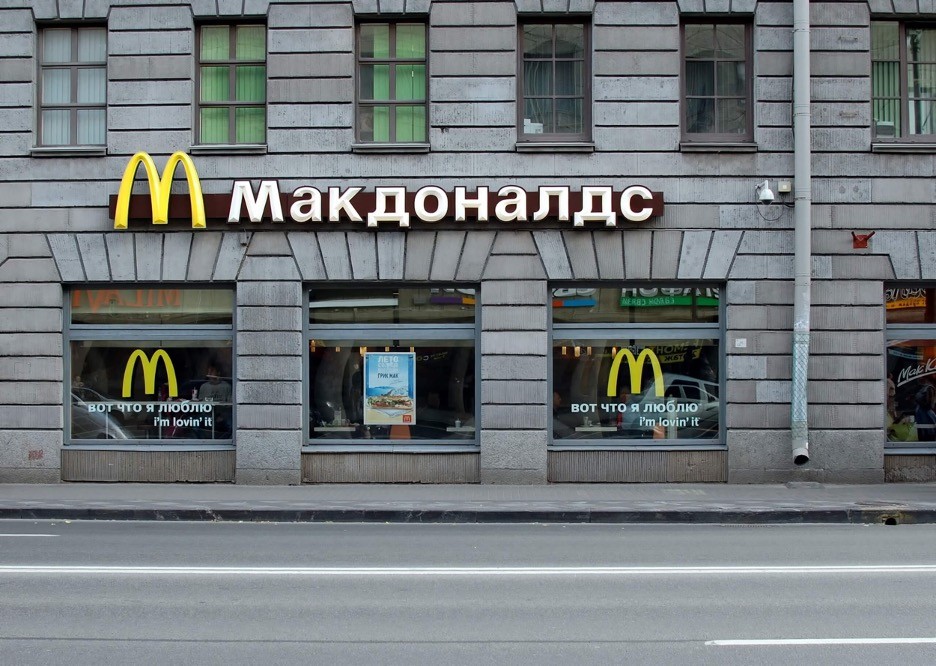
McDonald’s has continuously exported the so-called ‘American way of life’ into a plethora of different markets since the 1970s, mainly with the help of the local entrepreneurs it sells franchises to. This strategy helps them understand and adapt to the social setting of each country, as well as developing versions of the logo that better suits each native language, such as the Макдоналдс (Makdonalds) seen in countries using the Cyrillic alphabet, or マクドナルド (Makudonarudo) in Japan.
They also work diligently to please a diverse range of tastes. In China, for example, chicken burgers are specifically made with meat from chicken thighs, as it’s the local preference. Grilled chicken burgers are served with curly fries, and Chicken McNuggets are sold with a chilli garlic sauce.
Meanwhile, Chinese horoscopes with 12 signs are offered during the Chinese New Year festive season.
Elsewhere, rice is a staple of Indonesian cuisine, which is why local McDonald’s stores also sell rice dishes and spicy meals. In India, beef is replaced with chicken, and fully vegetarian restaurants have been around since 2012. Closer to home, in Switzerland, the McRaclette has become one of the most popular items on the menu; it’s a beef sandwich with raclette cheese, raclette sauce, onions and gherkin pickles.


How F&B Brands Reach Diverse Consumer Markets
F&B brands enter diverse markets with localized menus packaging and cultural partnerships. Starbucks Japan 1500 stores McDonalds 119 countries Amstel China adaptation boost global growth
Venturing into foreign markets can be a major challenge for brands, but the food and beverage industry can be particularly difficult. For any company, the first step is to adapt their branding.
i.e. the logo, packaging, and in some cases, the store layout. While this is arguably the easiest part of the process, mistakes can still happen, like when KFC’s slogan “finger lickin’ good” was once mistranslated in China as “eat your fingers off.”
But just getting your translations right is not enough to succeed in a new market. Besides conquering the minds of a new audience, brands must also figure out how to please their taste buds as well. Therefore, ditching the one-size-fits-all approach and localising everything from brand image to the menus and product formulation is crucial. Something Coca-Cola knows very well.
To fully understand how the food and beverage industry localises its products when entering a new market, there are three useful case studies to look at. Two of them have already achieved great success, and one is just about to get started.
Starbucks – Partnering With Local Experts
As of 2020, Starbucks operates over 31,265 stores in more than 80 countries. The company ventured outside the North American market in 1996 with its first foreign store in Tokyo, Japan. Aware of the Japanese market’s complexity, it initially partnered with Sazabi League, a well-known retailer and restaurant chain, to negate any risks they might face in a new consumer environment.
Several changes were made to its menu in order to make it more suitable for local preferences. First, a variety of teas, namely matcha tea, were introduced, and blended beverages such as frappuccinos and juices, soon followed. Servings were made smaller, and drinks were less sweet. The partnership lasted until 2004, when Starbucks felt confident enough to go its own way and parted with Sazabi League.
Starbucks now has more than 1,500 locations across Japan, with a key facet of their success being down to their decision to localise their stores’ architectural style. One great example is the Daizafu Tenmangu Omoestando store in Fukuoka in the south of the country. It was designed by renowned architect Kenmo Kuma using the ancient “Kigumi” technique, which consists of wooden joints being put together without using nails.
McDonald’s – The Importance Of Presentation
Starting out as a small chain of restaurants, with a limited menu of basic hamburgers and fries, McDonald’s, with its Golden Arches logo, is now one of the world’s most easily recognisable brands. Currently operating more than 38,600 stores in over 119 countries and territories, they are one of the most experienced companies in the food and drink industry when it comes to brand and product localisation.
McDonald’s has continuously exported the so-called ‘American way of life’ into a plethora of different markets since the 1970s, mainly with the help of the local entrepreneurs it sells franchises to. This strategy helps them understand and adapt to the social setting of each country, as well as developing versions of the logo that better suits each native language, such as the Макдоналдс (Makdonalds) seen in countries using the Cyrillic alphabet, or マクドナルド (Makudonarudo) in Japan.
They also work diligently to please a diverse range of tastes. In China, for example, chicken burgers are specifically made with meat from chicken thighs, as it’s the local preference. Grilled chicken burgers are served with curly fries, and Chicken McNuggets are sold with a chilli garlic sauce.
Meanwhile, Chinese horoscopes with 12 signs are offered during the Chinese New Year festive season.
Elsewhere, rice is a staple of Indonesian cuisine, which is why local McDonald’s stores also sell rice dishes and spicy meals. In India, beef is replaced with chicken, and fully vegetarian restaurants have been around since 2012. Closer to home, in Switzerland, the McRaclette has become one of the most popular items on the menu; it’s a beef sandwich with raclette cheese, raclette sauce, onions and gherkin pickles.
How F&B Brands Reach Diverse Consumer Markets
F&B brands enter diverse markets with localized menus packaging and cultural partnerships. Starbucks Japan 1500 stores McDonalds 119 countries Amstel China adaptation boost global growth
Venturing into foreign markets can be a major challenge for brands, but the food and beverage industry can be particularly difficult. For any company, the first step is to adapt their branding.
i.e. the logo, packaging, and in some cases, the store layout. While this is arguably the easiest part of the process, mistakes can still happen, like when KFC’s slogan “finger lickin’ good” was once mistranslated in China as “eat your fingers off.”
But just getting your translations right is not enough to succeed in a new market. Besides conquering the minds of a new audience, brands must also figure out how to please their taste buds as well. Therefore, ditching the one-size-fits-all approach and localising everything from brand image to the menus and product formulation is crucial. Something Coca-Cola knows very well.
To fully understand how the food and beverage industry localises its products when entering a new market, there are three useful case studies to look at. Two of them have already achieved great success, and one is just about to get started.
Starbucks – Partnering With Local Experts
As of 2020, Starbucks operates over 31,265 stores in more than 80 countries. The company ventured outside the North American market in 1996 with its first foreign store in Tokyo, Japan. Aware of the Japanese market’s complexity, it initially partnered with Sazabi League, a well-known retailer and restaurant chain, to negate any risks they might face in a new consumer environment.
Several changes were made to its menu in order to make it more suitable for local preferences. First, a variety of teas, namely matcha tea, were introduced, and blended beverages such as frappuccinos and juices, soon followed. Servings were made smaller, and drinks were less sweet. The partnership lasted until 2004, when Starbucks felt confident enough to go its own way and parted with Sazabi League.
Starbucks now has more than 1,500 locations across Japan, with a key facet of their success being down to their decision to localise their stores’ architectural style. One great example is the Daizafu Tenmangu Omoestando store in Fukuoka in the south of the country. It was designed by renowned architect Kenmo Kuma using the ancient “Kigumi” technique, which consists of wooden joints being put together without using nails.
McDonald’s – The Importance Of Presentation
Starting out as a small chain of restaurants, with a limited menu of basic hamburgers and fries, McDonald’s, with its Golden Arches logo, is now one of the world’s most easily recognisable brands. Currently operating more than 38,600 stores in over 119 countries and territories, they are one of the most experienced companies in the food and drink industry when it comes to brand and product localisation.
McDonald’s has continuously exported the so-called ‘American way of life’ into a plethora of different markets since the 1970s, mainly with the help of the local entrepreneurs it sells franchises to. This strategy helps them understand and adapt to the social setting of each country, as well as developing versions of the logo that better suits each native language, such as the Макдоналдс (Makdonalds) seen in countries using the Cyrillic alphabet, or マクドナルド (Makudonarudo) in Japan.
They also work diligently to please a diverse range of tastes. In China, for example, chicken burgers are specifically made with meat from chicken thighs, as it’s the local preference. Grilled chicken burgers are served with curly fries, and Chicken McNuggets are sold with a chilli garlic sauce.
Meanwhile, Chinese horoscopes with 12 signs are offered during the Chinese New Year festive season.
Elsewhere, rice is a staple of Indonesian cuisine, which is why local McDonald’s stores also sell rice dishes and spicy meals. In India, beef is replaced with chicken, and fully vegetarian restaurants have been around since 2012. Closer to home, in Switzerland, the McRaclette has become one of the most popular items on the menu; it’s a beef sandwich with raclette cheese, raclette sauce, onions and gherkin pickles.