
Feb 22, 2021
How F&B Brands Reach DiveHow Food & Beverage Brands Win in Diverse Marketsrse Consumer Markets
Translation is the easy part. Winning taste buds takes localisation, from Starbucks matcha in Japan to McRaclette in Switzerland.
⏱ 4 min read
By mediareach
Venturing into foreign markets is tough for any brand. For food and beverage, it's doubly hard, you have to win minds and taste buds.
The first step is usually branding: logo, packaging, store layout. Even that can go wrong. KFC's famous "finger lickin' good" was once mistranslated in China as "eat your fingers off." But getting the words right is only the start. You need to ditch the one-size-fits-all approach and localise everything from brand image to recipe. Coca-Cola knows this better than anyone.
Here are three case studies that show how it's done.
Starbucks — Partner With Local Experts
Starbucks now runs over 31,265 stores in 80+ countries, but its first foreign store only opened in Tokyo in 1996. Aware of Japan's complexity, it partnered with Sazabi League, a well-known Japanese retailer and restaurant chain, to de-risk the entry.
It didn't just import the US menu. It adapted: matcha tea, blended Frappuccinos and juices, smaller servings, less sweetness. The partnership lasted until 2004, when Starbucks went solo.
Today there are over 1,500 Starbucks in Japan, and a key reason is architectural localisation. The Daizafu Tenmangu Omotesando store in Fukuoka, designed by Kengo Kuma, uses the ancient Kigumi technique, wooden joints assembled without nails, to feel unmistakably Japanese.

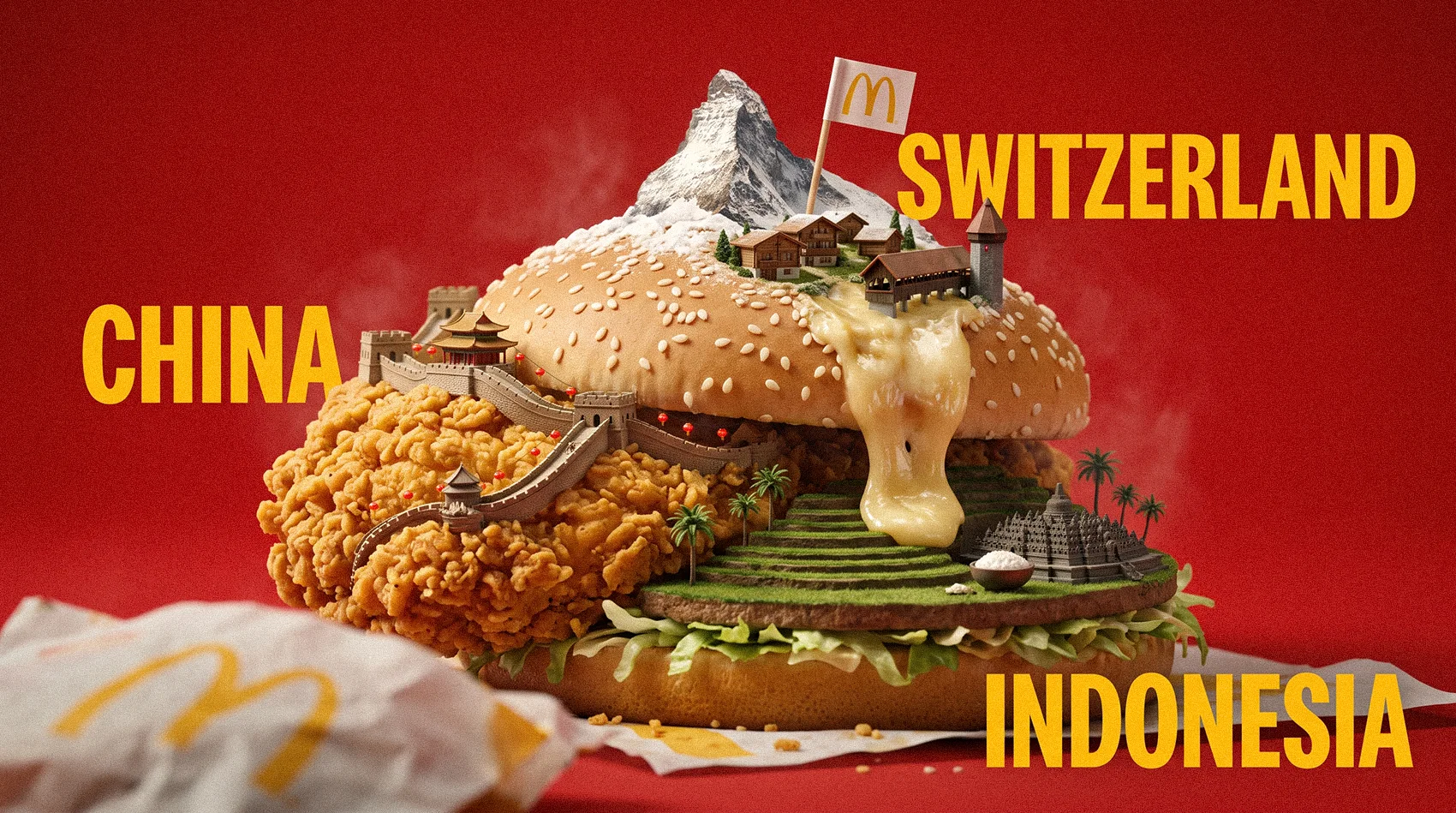
2. McDonald's — The Art of Presentation
From a small chain of basic burgers and fries, McDonald's now operates over 38,600 stores in 119 countries. It is one of the most experienced brands in localisation.
Since the 1970s, it has exported the "American way of life" through local entrepreneurs who own franchises. That model helps it adapt to each social setting — including the logo itself: Макдоналдс in Cyrillic markets and マクドナルド (Makudonarudo) in Japan.
3. Amstel — Tuning Taste for China
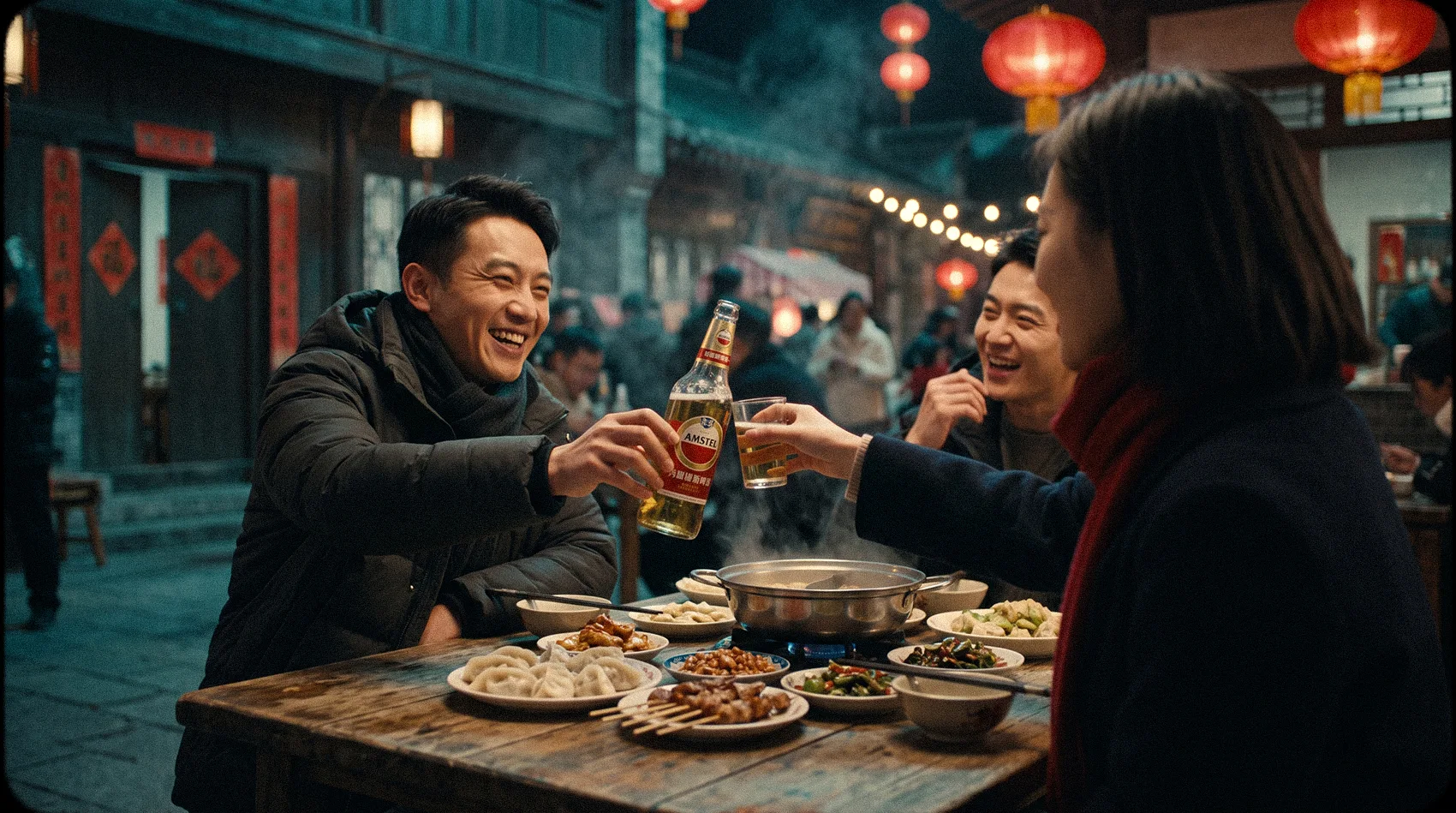
Amstel Beer announced its expansion into China, the world's largest beer market, during Covid. Two things helped: the pandemic forced a delay, giving more time for guidance from local partners, and parent company Heineken already knows China well.
Global Brand Director Bernardo Spielmann told The Drum that Chinese consumers want accessible premium beers with quality ingredients and a smoother, more sophisticated, sessionable profile. Amstel kept its 100% malt base but fine-tuned the recipe for that lighter, sessionable taste, timed to launch around Chinese New Year.
Ditching the one-size-fits-all approach and localising everything from brand image to menus and product formulation is crucial.
Food & Beverage Localisation Strategy
The Takeaway: Research Before You Localise
Whether you're selling coffee, burgers or beer, targeting foreign or multicultural consumers requires deep research, not just translation. Taste, language, architecture, franchise structure and festival moments all matter.
Done right, localisation doesn't dilute a brand. It makes it feel local while staying global.
Want to Take Your Food & Beverage Brand Into Diverse Markets?
Mediareach has 30+ years helping food and beverage brands localise for multicultural UK and global markets, from menu to message to media.
Sources & References
KFC slogan mistranslation in China — "eat your fingers off" (Guardian).
Starbucks — 31,265 stores in 80+ countries as of 2020, first Japan store 1996 with Sazabi League, 1,500+ stores now, Kigumi architecture in Fukuoka.
McDonald's — 38,600 stores in 119 countries, localisation examples: Макдоналдс / マクドナルド, China thigh meat, Indonesia rice, India vegetarian since 2012, Switzerland McRaclette.
Amstel — China expansion, Heineken experience, sessionable profile, 100% malt base, world's largest beer market, Chinese New Year launch (Branding in Asia, The Drum).
food beverage diverse markets
food industry localisation
Starbucks Japan matcha
McDonald's localisation
Amstel China beer market
multicultural food marketing
KFC translation fail
localisation vs translation
Kigumi architecture Starbucks
McRaclette Switzerland
The UK's pioneering multicultural marketing and advertising agency. Over 30 years connecting food & beverage brands with diverse communities through cultural insight and intelligent localisation.
Feb 22, 2021
How F&B Brands Reach DiveHow Food & Beverage Brands Win in Diverse Marketsrse Consumer Markets
Translation is the easy part. Winning taste buds takes localisation, from Starbucks matcha in Japan to McRaclette in Switzerland.
⏱ 4 min read
By mediareach
Venturing into foreign markets is tough for any brand. For food and beverage, it's doubly hard, you have to win minds and taste buds.
The first step is usually branding: logo, packaging, store layout. Even that can go wrong. KFC's famous "finger lickin' good" was once mistranslated in China as "eat your fingers off." But getting the words right is only the start. You need to ditch the one-size-fits-all approach and localise everything from brand image to recipe. Coca-Cola knows this better than anyone.
Here are three case studies that show how it's done.
Starbucks — Partner With Local Experts
Starbucks now runs over 31,265 stores in 80+ countries, but its first foreign store only opened in Tokyo in 1996. Aware of Japan's complexity, it partnered with Sazabi League, a well-known Japanese retailer and restaurant chain, to de-risk the entry.
It didn't just import the US menu. It adapted: matcha tea, blended Frappuccinos and juices, smaller servings, less sweetness. The partnership lasted until 2004, when Starbucks went solo.
Today there are over 1,500 Starbucks in Japan, and a key reason is architectural localisation. The Daizafu Tenmangu Omotesando store in Fukuoka, designed by Kengo Kuma, uses the ancient Kigumi technique, wooden joints assembled without nails, to feel unmistakably Japanese.
2. McDonald's — The Art of Presentation
From a small chain of basic burgers and fries, McDonald's now operates over 38,600 stores in 119 countries. It is one of the most experienced brands in localisation.
Since the 1970s, it has exported the "American way of life" through local entrepreneurs who own franchises. That model helps it adapt to each social setting — including the logo itself: Макдоналдс in Cyrillic markets and マクドナルド (Makudonarudo) in Japan.
3. Amstel — Tuning Taste for China
Amstel Beer announced its expansion into China, the world's largest beer market, during Covid. Two things helped: the pandemic forced a delay, giving more time for guidance from local partners, and parent company Heineken already knows China well.
Global Brand Director Bernardo Spielmann told The Drum that Chinese consumers want accessible premium beers with quality ingredients and a smoother, more sophisticated, sessionable profile. Amstel kept its 100% malt base but fine-tuned the recipe for that lighter, sessionable taste, timed to launch around Chinese New Year.
Ditching the one-size-fits-all approach and localising everything from brand image to menus and product formulation is crucial.
Food & Beverage Localisation Strategy
The Takeaway: Research Before You Localise
Whether you're selling coffee, burgers or beer, targeting foreign or multicultural consumers requires deep research, not just translation. Taste, language, architecture, franchise structure and festival moments all matter.
Done right, localisation doesn't dilute a brand. It makes it feel local while staying global.
Want to Take Your Food & Beverage Brand Into Diverse Markets?
Mediareach has 30+ years helping food and beverage brands localise for multicultural UK and global markets, from menu to message to media.
Sources & References
KFC slogan mistranslation in China — "eat your fingers off" (Guardian).
Starbucks — 31,265 stores in 80+ countries as of 2020, first Japan store 1996 with Sazabi League, 1,500+ stores now, Kigumi architecture in Fukuoka.
McDonald's — 38,600 stores in 119 countries, localisation examples: Макдоналдс / マクドナルド, China thigh meat, Indonesia rice, India vegetarian since 2012, Switzerland McRaclette.
Amstel — China expansion, Heineken experience, sessionable profile, 100% malt base, world's largest beer market, Chinese New Year launch (Branding in Asia, The Drum).
food beverage diverse markets
food industry localisation
Starbucks Japan matcha
McDonald's localisation
Amstel China beer market
multicultural food marketing
KFC translation fail
localisation vs translation
Kigumi architecture Starbucks
McRaclette Switzerland
The UK's pioneering multicultural marketing and advertising agency. Over 30 years connecting food & beverage brands with diverse communities through cultural insight and intelligent localisation.
Feb 22, 2021
How F&B Brands Reach DiveHow Food & Beverage Brands Win in Diverse Marketsrse Consumer Markets
Translation is the easy part. Winning taste buds takes localisation, from Starbucks matcha in Japan to McRaclette in Switzerland.
⏱ 4 min read
By mediareach
Venturing into foreign markets is tough for any brand. For food and beverage, it's doubly hard, you have to win minds and taste buds.
The first step is usually branding: logo, packaging, store layout. Even that can go wrong. KFC's famous "finger lickin' good" was once mistranslated in China as "eat your fingers off." But getting the words right is only the start. You need to ditch the one-size-fits-all approach and localise everything from brand image to recipe. Coca-Cola knows this better than anyone.
Here are three case studies that show how it's done.
Starbucks — Partner With Local Experts
Starbucks now runs over 31,265 stores in 80+ countries, but its first foreign store only opened in Tokyo in 1996. Aware of Japan's complexity, it partnered with Sazabi League, a well-known Japanese retailer and restaurant chain, to de-risk the entry.
It didn't just import the US menu. It adapted: matcha tea, blended Frappuccinos and juices, smaller servings, less sweetness. The partnership lasted until 2004, when Starbucks went solo.
Today there are over 1,500 Starbucks in Japan, and a key reason is architectural localisation. The Daizafu Tenmangu Omotesando store in Fukuoka, designed by Kengo Kuma, uses the ancient Kigumi technique, wooden joints assembled without nails, to feel unmistakably Japanese.
2. McDonald's — The Art of Presentation
From a small chain of basic burgers and fries, McDonald's now operates over 38,600 stores in 119 countries. It is one of the most experienced brands in localisation.
Since the 1970s, it has exported the "American way of life" through local entrepreneurs who own franchises. That model helps it adapt to each social setting — including the logo itself: Макдоналдс in Cyrillic markets and マクドナルド (Makudonarudo) in Japan.
3. Amstel — Tuning Taste for China
Amstel Beer announced its expansion into China, the world's largest beer market, during Covid. Two things helped: the pandemic forced a delay, giving more time for guidance from local partners, and parent company Heineken already knows China well.
Global Brand Director Bernardo Spielmann told The Drum that Chinese consumers want accessible premium beers with quality ingredients and a smoother, more sophisticated, sessionable profile. Amstel kept its 100% malt base but fine-tuned the recipe for that lighter, sessionable taste, timed to launch around Chinese New Year.
Ditching the one-size-fits-all approach and localising everything from brand image to menus and product formulation is crucial.
Food & Beverage Localisation Strategy
The Takeaway: Research Before You Localise
Whether you're selling coffee, burgers or beer, targeting foreign or multicultural consumers requires deep research, not just translation. Taste, language, architecture, franchise structure and festival moments all matter.
Done right, localisation doesn't dilute a brand. It makes it feel local while staying global.
Want to Take Your Food & Beverage Brand Into Diverse Markets?
Mediareach has 30+ years helping food and beverage brands localise for multicultural UK and global markets, from menu to message to media.
Sources & References
KFC slogan mistranslation in China — "eat your fingers off" (Guardian).
Starbucks — 31,265 stores in 80+ countries as of 2020, first Japan store 1996 with Sazabi League, 1,500+ stores now, Kigumi architecture in Fukuoka.
McDonald's — 38,600 stores in 119 countries, localisation examples: Макдоналдс / マクドナルド, China thigh meat, Indonesia rice, India vegetarian since 2012, Switzerland McRaclette.
Amstel — China expansion, Heineken experience, sessionable profile, 100% malt base, world's largest beer market, Chinese New Year launch (Branding in Asia, The Drum).
food beverage diverse markets
food industry localisation
Starbucks Japan matcha
McDonald's localisation
Amstel China beer market
multicultural food marketing
KFC translation fail
localisation vs translation
Kigumi architecture Starbucks
McRaclette Switzerland
The UK's pioneering multicultural marketing and advertising agency. Over 30 years connecting food & beverage brands with diverse communities through cultural insight and intelligent localisation.