
Aug 14, 2026
Clearcast Figures on BAME Representation in UK Commercials
Clearcast publishes crucial figures on BAME representation in UK TV commercials. Analyze the official data and its implications for advertising diversity and casting strategies.
⏱ 4 read
Mediareach Insight
When Clearcast added two tick boxes, ‘Ethnic (BAME) featured artist?’ and ‘Ethnic (BAME) walk-on artist?’, in December 2009, it exposed an uncomfortable truth: of 34,499 commercials cleared, just 1,845 (5.3%) contained BAME actors. In 2025, that figure has only crept to 7% as lead protagonists, while 60% of UK ads still feature exclusively or predominantly white casts.
In 2011, Mediareach CEO Saad Saraf said what the industry knew privately: “People react better to advertising when they see themselves reflected in it.” At the time, BAME communities were 13% of the UK population (ONS 2010). Today, that figure is 18% nationally and 40-44% in London (Census 2021, Opinium 2024). Representation has not kept pace with reality.
The original Clearcast findings were stark by sector. Household equipment, online retail, property, entertainment and pharmaceutical indexed above 100 for BAME actors. Food, motoring, mail order, retail, travel, telecoms, clothing and household appliances indexed below 60. Gardening and household appliance ads featured zero BAME actors at all.
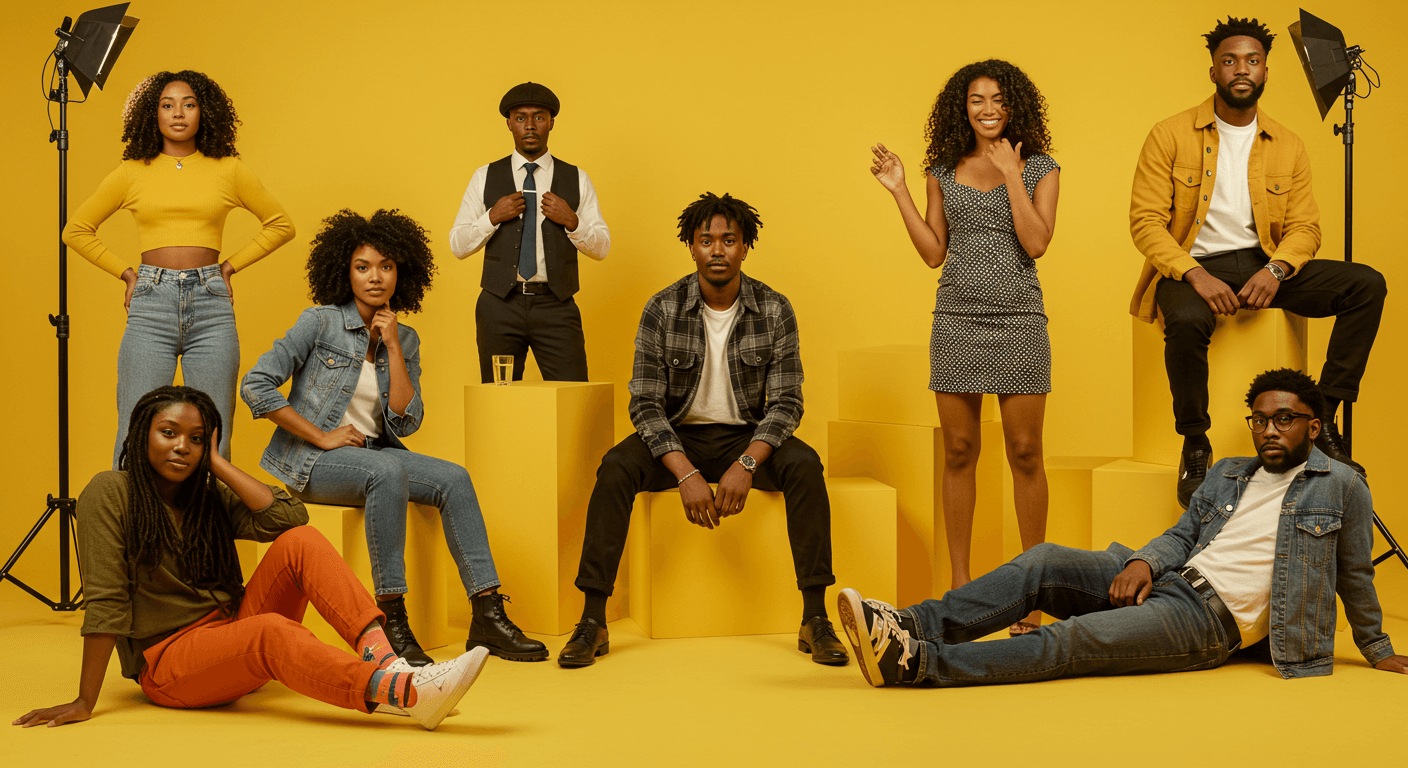
The 2025 Picture: More Faces, Fewer Lead Roles
ISBA’s Representation in Advertising Tracker, run with M&S and Opinium since March 2020, shows improvement in perception — from 42% of people saying TV ads did a good job representing all groups in 2020 to higher in 2024 — but the structural gap remains.
According to Mediareach’s Multicultural Communities Report 2025, drawing on over a decade of research:
Only 7% of UK ads feature people from ethnic minority backgrounds in dominant or main roles. That is barely up from the 4.8% featured artist figure Clearcast recorded in 2011. 60% of ads still feature only or majority white people, a stat confirmed by The Drum and DecisionMarketing.
Presence is not protagonism. Lloyds Banking Group’s Ethnicity in Advertising research found overall representation has risen quickly, but BAME people are still rarely the sole or main protagonist. They appear, but rarely lead the story. Government advertising, Clearcast noted in 2011, was a classic example — high overall due to walk-ons, but under-representing featured BAME actors.
Authenticity has dropped. Publicis Groupe’s 2024 survey found representation levels dropped by 7% year-on-year, with notable declines among People of Colour, LGBTQ+ and neurodivergent individuals. ISBA notes the food and drink sector leads on inclusion; automotive and electrical goods are least inclusive.
The Multicultural Opportunity Most Brands Still Miss
This is not a diversity initiative. It is a commercial imperative.
The Advertising Association’s Credos think tank found 53% of BAME consumers prefer to purchase from brands that meaningfully represent their culture, and 51% are more likely to buy from them. Across all respondents, 48% prefer brands that champion diversity.
The cost of ignoring this is quantifiable. Analysis featured in Retail Gazette and CampaignLive shows UK businesses lose £4.5bn in sales by overlooking black and Asian consumers. In health and beauty alone, multi-ethnic consumers spend 25% more, £230m each month, with 22% of spend going to specialist shops, rising to 30% for black women. Four in ten black women still struggle to buy cosmetics and skincare on the high street.
Channel 4’s £1m Diversity in Advertising Award and the 2021 Black to Front Project , where brands like Tesco committed to black-fronted creative, were designed to force change. Yet Channel 4’s own survey of 1,000 people (500 BAME, 500 white) revealed a widely held perception, especially among BAME audiences, that brands still aren’t doing enough to reflect different cultures in TV advertising.
Saad Saraf’s 2011 prediction that representation “will improve markedly” has been partially right. It has improved. But it has improved from abysmal to inadequate. The UK’s ethnic minority buying power is growing faster than any other segment, particularly among Gen Z and Millennials where multicultural identity is the norm, not the exception.
Representation at a Glance: 2011 vs 2026
2011 Clearcast Baseline: 34,499 ads cleared, 5.3% with BAME actors (4.8% featured, 2.1% walk-on). Population 13% BAME. 2025 Current: 7% of ads feature ethnic minorities as dominant/main characters. 60% of ads exclusively/majority white. Population 18% non-white British, 40%+ in London. Best Categories: Food & drink now leads on inclusion; household equipment, online retail, entertainment historically strong. Worst Categories: Automotive, electrical goods, motoring, gardening, household appliances, same as 2011. Consumer Impact: 53% BAME prefer brands that meaningfully represent culture; 51% more likely to buy. Commercial Gap: £4.5bn lost sales, £230m/month extra in health & beauty, 25% higher spend from multi-ethnic consumers. Tracker Trend: 42% said ads represented society well in March 2020, rising in 2024 , but authentic lead roles still flat.
What Smart Brands Do Differently
The brands that moved beyond tick boxes share three behaviours that Clearcast’s original form could never measure:
Lead with protagonists, not walk-ons. Adding a diverse walk-on to hit a target is what made Government ads index high in 2011 while under-representing featured actors. Smart brands now cast ethnic minority actors as the decision-maker, the expert, the romantic lead, the person with agency. Tesco’s approach for Black to Front and Lloyds Banking Group’s long-running work show protagonism outperforms presence.
Talk to culture, not just colour. 30% of Asian people say they are inaccurately represented in advertising vs 9% of white people. Authenticity means understanding festival calendars, food rituals, hair and beauty needs, family structures and language nuances, not just changing the skin tone of a stock family. That requires community media, cultural insight and creators from those communities.
Measure what matters. Clearcast relied on agencies completing checkboxes. In 2026, ISBA’s Evolution of Representation framework and Kantar’s LINK+ diversity coding of 6,500+ ads globally provide real measurement of authentic representation and inclusion. Leading brands track not just how many diverse faces appear, but who speaks, who drives the story, and whether portrayal is stereotypical or nuanced.
Conclusion: Representation Is Not a Nice-to-Have
As ISBA’s Inclusion Lead Bobi Carley puts it: “Representation in advertising is not a nice-to-have, it’s a business imperative and a moral responsibility.”
The 2011 Clearcast data was a baseline. Fifteen years later, the industry has moved from 5.3% to 7% in lead roles, a 1.7 percentage point gain against a population that grew from 13% to 18% non-white British. At the same time, 60% of ads remain white-default, and representation has actually dropped 7% in the last year alone.
With multicultural Britain accounting for 18% of the UK, 44% of London, and driving £4.5bn in overlooked spend, the opportunity is no longer emerging. It is here. The brands that understand who they are talking to, cast them as leads not extras, and speak to culture not just colour, will own the next decade of growth. Those that do not will keep paying for their blind spot.
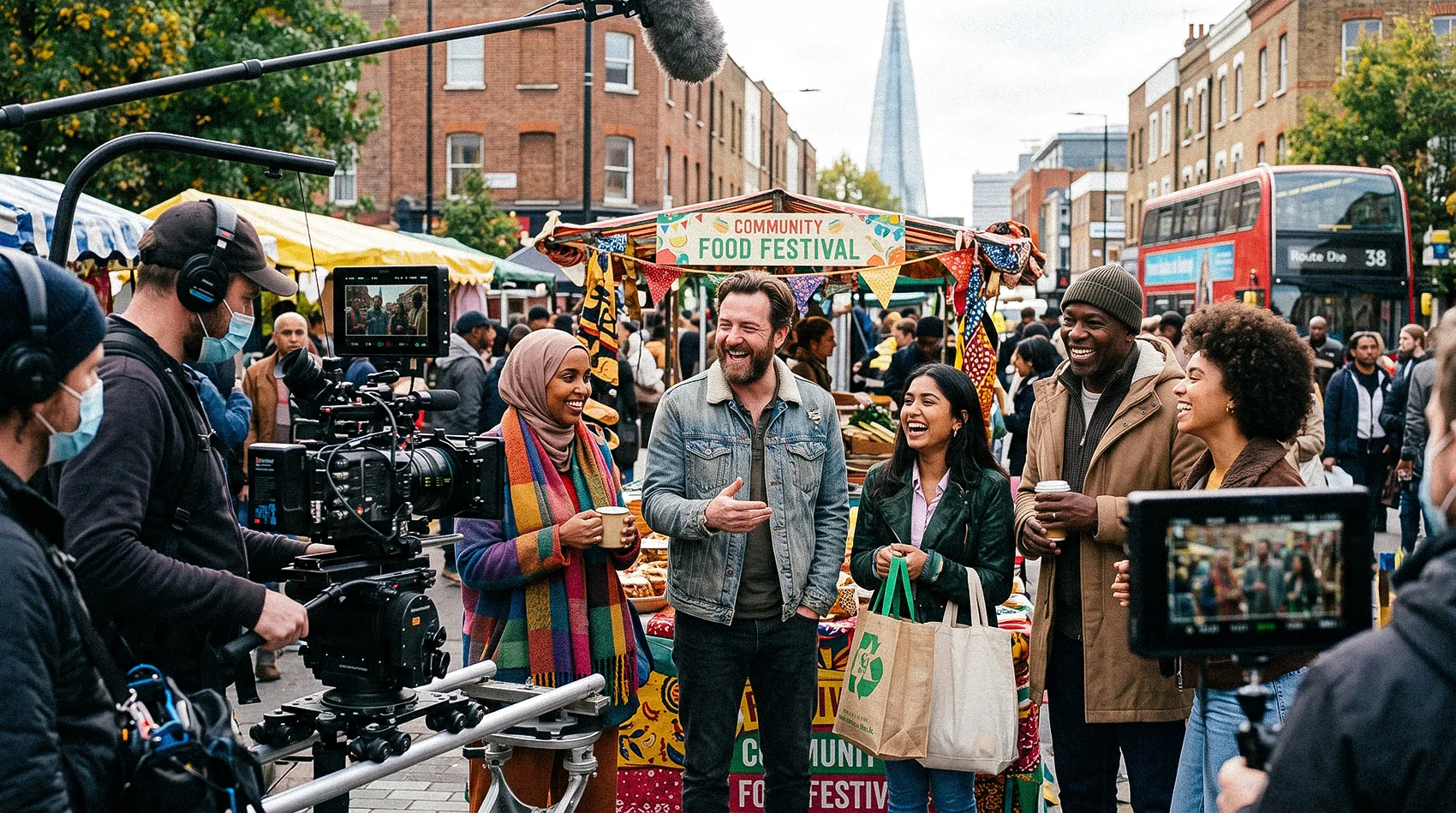
Make Every Commercial Reflect Modern Britain
Mediareach brings four decades of multicultural marketing expertise, from Clearcast data interpretation to casting, creative and community media planning. We help brands move from walk-on representation to authentic protagonism.
Sources & References
Clearcast / Mediareach, "Clearcast publishes figures on BAME representation in commercials," May 2011. mediareach.co.uk
DecisionMarketing / Mediareach, "Freezing out multicultural Britain hits the commercials – Multicultural Communities Report 2025," 2025. decisionmarketing.co.uk
ISBA / Opinium / M&S, "Representation in Advertising Tracker – March 2024," 2024. isba.org.uk
CampaignLive / Lloyds Banking Group, "Advertisers failing to feature BAME people as protagonists," Ethnicity in Advertising report. campaignlive.co.uk
Advertising Association / Credos, "Ads that appeal to different ethnic groups aren't just altruistic," 53% BAME prefer meaningful representation. marketingweek.com
Retail Gazette / CampaignLive, "British businesses lose £4.5bn of sales by overlooking black and Asian consumers," Opinium 3,500 survey. retailgazette.co.uk
Channel 4, "Channel 4's £1m Diversity in Advertising Award – BAME cultures survey," and "Black to Front Project." channel4.com
Publicis Groupe UK, "Diversity in Advertising – Representation levels dropped 7%," 2024. publicisgroupeuk.com
ONS / Census 2021, Ethnic group data – 18% non-white British, 40-44% London. ons.gov.uk
BAME representation advertising UK
diversity in UK commercials
ethnic minority representation TV ads
Clearcast BAME figures
multicultural advertising UK
ISBA representation tracker
inclusive marketing UK
diversity in advertising statistics UK
Channel 4 diversity award
advertising to BAME communities UK
authentic representation advertising
multicultural Britain marketing
The UK's pioneering multicultural marketing and advertising agency. Over 40 years connecting brands with diverse communities through cultural insight, creative excellence, and intelligent media strategy. mediareach.co



Aug 14, 2026
Clearcast Figures on BAME Representation in UK Commercials
Clearcast publishes crucial figures on BAME representation in UK TV commercials. Analyze the official data and its implications for advertising diversity and casting strategies.
⏱ 4 read
Mediareach Insight
When Clearcast added two tick boxes, ‘Ethnic (BAME) featured artist?’ and ‘Ethnic (BAME) walk-on artist?’, in December 2009, it exposed an uncomfortable truth: of 34,499 commercials cleared, just 1,845 (5.3%) contained BAME actors. In 2025, that figure has only crept to 7% as lead protagonists, while 60% of UK ads still feature exclusively or predominantly white casts.
In 2011, Mediareach CEO Saad Saraf said what the industry knew privately: “People react better to advertising when they see themselves reflected in it.” At the time, BAME communities were 13% of the UK population (ONS 2010). Today, that figure is 18% nationally and 40-44% in London (Census 2021, Opinium 2024). Representation has not kept pace with reality.
The original Clearcast findings were stark by sector. Household equipment, online retail, property, entertainment and pharmaceutical indexed above 100 for BAME actors. Food, motoring, mail order, retail, travel, telecoms, clothing and household appliances indexed below 60. Gardening and household appliance ads featured zero BAME actors at all.
The 2025 Picture: More Faces, Fewer Lead Roles
ISBA’s Representation in Advertising Tracker, run with M&S and Opinium since March 2020, shows improvement in perception — from 42% of people saying TV ads did a good job representing all groups in 2020 to higher in 2024 — but the structural gap remains.
According to Mediareach’s Multicultural Communities Report 2025, drawing on over a decade of research:
Only 7% of UK ads feature people from ethnic minority backgrounds in dominant or main roles. That is barely up from the 4.8% featured artist figure Clearcast recorded in 2011. 60% of ads still feature only or majority white people, a stat confirmed by The Drum and DecisionMarketing.
Presence is not protagonism. Lloyds Banking Group’s Ethnicity in Advertising research found overall representation has risen quickly, but BAME people are still rarely the sole or main protagonist. They appear, but rarely lead the story. Government advertising, Clearcast noted in 2011, was a classic example — high overall due to walk-ons, but under-representing featured BAME actors.
Authenticity has dropped. Publicis Groupe’s 2024 survey found representation levels dropped by 7% year-on-year, with notable declines among People of Colour, LGBTQ+ and neurodivergent individuals. ISBA notes the food and drink sector leads on inclusion; automotive and electrical goods are least inclusive.
The Multicultural Opportunity Most Brands Still Miss
This is not a diversity initiative. It is a commercial imperative.
The Advertising Association’s Credos think tank found 53% of BAME consumers prefer to purchase from brands that meaningfully represent their culture, and 51% are more likely to buy from them. Across all respondents, 48% prefer brands that champion diversity.
The cost of ignoring this is quantifiable. Analysis featured in Retail Gazette and CampaignLive shows UK businesses lose £4.5bn in sales by overlooking black and Asian consumers. In health and beauty alone, multi-ethnic consumers spend 25% more, £230m each month, with 22% of spend going to specialist shops, rising to 30% for black women. Four in ten black women still struggle to buy cosmetics and skincare on the high street.
Channel 4’s £1m Diversity in Advertising Award and the 2021 Black to Front Project , where brands like Tesco committed to black-fronted creative, were designed to force change. Yet Channel 4’s own survey of 1,000 people (500 BAME, 500 white) revealed a widely held perception, especially among BAME audiences, that brands still aren’t doing enough to reflect different cultures in TV advertising.
Saad Saraf’s 2011 prediction that representation “will improve markedly” has been partially right. It has improved. But it has improved from abysmal to inadequate. The UK’s ethnic minority buying power is growing faster than any other segment, particularly among Gen Z and Millennials where multicultural identity is the norm, not the exception.
Representation at a Glance: 2011 vs 2026
2011 Clearcast Baseline: 34,499 ads cleared, 5.3% with BAME actors (4.8% featured, 2.1% walk-on). Population 13% BAME. 2025 Current: 7% of ads feature ethnic minorities as dominant/main characters. 60% of ads exclusively/majority white. Population 18% non-white British, 40%+ in London. Best Categories: Food & drink now leads on inclusion; household equipment, online retail, entertainment historically strong. Worst Categories: Automotive, electrical goods, motoring, gardening, household appliances, same as 2011. Consumer Impact: 53% BAME prefer brands that meaningfully represent culture; 51% more likely to buy. Commercial Gap: £4.5bn lost sales, £230m/month extra in health & beauty, 25% higher spend from multi-ethnic consumers. Tracker Trend: 42% said ads represented society well in March 2020, rising in 2024 , but authentic lead roles still flat.
What Smart Brands Do Differently
The brands that moved beyond tick boxes share three behaviours that Clearcast’s original form could never measure:
Lead with protagonists, not walk-ons. Adding a diverse walk-on to hit a target is what made Government ads index high in 2011 while under-representing featured actors. Smart brands now cast ethnic minority actors as the decision-maker, the expert, the romantic lead, the person with agency. Tesco’s approach for Black to Front and Lloyds Banking Group’s long-running work show protagonism outperforms presence.
Talk to culture, not just colour. 30% of Asian people say they are inaccurately represented in advertising vs 9% of white people. Authenticity means understanding festival calendars, food rituals, hair and beauty needs, family structures and language nuances, not just changing the skin tone of a stock family. That requires community media, cultural insight and creators from those communities.
Measure what matters. Clearcast relied on agencies completing checkboxes. In 2026, ISBA’s Evolution of Representation framework and Kantar’s LINK+ diversity coding of 6,500+ ads globally provide real measurement of authentic representation and inclusion. Leading brands track not just how many diverse faces appear, but who speaks, who drives the story, and whether portrayal is stereotypical or nuanced.
Conclusion: Representation Is Not a Nice-to-Have
As ISBA’s Inclusion Lead Bobi Carley puts it: “Representation in advertising is not a nice-to-have, it’s a business imperative and a moral responsibility.”
The 2011 Clearcast data was a baseline. Fifteen years later, the industry has moved from 5.3% to 7% in lead roles, a 1.7 percentage point gain against a population that grew from 13% to 18% non-white British. At the same time, 60% of ads remain white-default, and representation has actually dropped 7% in the last year alone.
With multicultural Britain accounting for 18% of the UK, 44% of London, and driving £4.5bn in overlooked spend, the opportunity is no longer emerging. It is here. The brands that understand who they are talking to, cast them as leads not extras, and speak to culture not just colour, will own the next decade of growth. Those that do not will keep paying for their blind spot.
Make Every Commercial Reflect Modern Britain
Mediareach brings four decades of multicultural marketing expertise, from Clearcast data interpretation to casting, creative and community media planning. We help brands move from walk-on representation to authentic protagonism.
Sources & References
Clearcast / Mediareach, "Clearcast publishes figures on BAME representation in commercials," May 2011. mediareach.co.uk
DecisionMarketing / Mediareach, "Freezing out multicultural Britain hits the commercials – Multicultural Communities Report 2025," 2025. decisionmarketing.co.uk
ISBA / Opinium / M&S, "Representation in Advertising Tracker – March 2024," 2024. isba.org.uk
CampaignLive / Lloyds Banking Group, "Advertisers failing to feature BAME people as protagonists," Ethnicity in Advertising report. campaignlive.co.uk
Advertising Association / Credos, "Ads that appeal to different ethnic groups aren't just altruistic," 53% BAME prefer meaningful representation. marketingweek.com
Retail Gazette / CampaignLive, "British businesses lose £4.5bn of sales by overlooking black and Asian consumers," Opinium 3,500 survey. retailgazette.co.uk
Channel 4, "Channel 4's £1m Diversity in Advertising Award – BAME cultures survey," and "Black to Front Project." channel4.com
Publicis Groupe UK, "Diversity in Advertising – Representation levels dropped 7%," 2024. publicisgroupeuk.com
ONS / Census 2021, Ethnic group data – 18% non-white British, 40-44% London. ons.gov.uk
BAME representation advertising UK
diversity in UK commercials
ethnic minority representation TV ads
Clearcast BAME figures
multicultural advertising UK
ISBA representation tracker
inclusive marketing UK
diversity in advertising statistics UK
Channel 4 diversity award
advertising to BAME communities UK
authentic representation advertising
multicultural Britain marketing
The UK's pioneering multicultural marketing and advertising agency. Over 40 years connecting brands with diverse communities through cultural insight, creative excellence, and intelligent media strategy. mediareach.co
Aug 14, 2026
Clearcast Figures on BAME Representation in UK Commercials
Clearcast publishes crucial figures on BAME representation in UK TV commercials. Analyze the official data and its implications for advertising diversity and casting strategies.
⏱ 4 read
Mediareach Insight
When Clearcast added two tick boxes, ‘Ethnic (BAME) featured artist?’ and ‘Ethnic (BAME) walk-on artist?’, in December 2009, it exposed an uncomfortable truth: of 34,499 commercials cleared, just 1,845 (5.3%) contained BAME actors. In 2025, that figure has only crept to 7% as lead protagonists, while 60% of UK ads still feature exclusively or predominantly white casts.
In 2011, Mediareach CEO Saad Saraf said what the industry knew privately: “People react better to advertising when they see themselves reflected in it.” At the time, BAME communities were 13% of the UK population (ONS 2010). Today, that figure is 18% nationally and 40-44% in London (Census 2021, Opinium 2024). Representation has not kept pace with reality.
The original Clearcast findings were stark by sector. Household equipment, online retail, property, entertainment and pharmaceutical indexed above 100 for BAME actors. Food, motoring, mail order, retail, travel, telecoms, clothing and household appliances indexed below 60. Gardening and household appliance ads featured zero BAME actors at all.
The 2025 Picture: More Faces, Fewer Lead Roles
ISBA’s Representation in Advertising Tracker, run with M&S and Opinium since March 2020, shows improvement in perception — from 42% of people saying TV ads did a good job representing all groups in 2020 to higher in 2024 — but the structural gap remains.
According to Mediareach’s Multicultural Communities Report 2025, drawing on over a decade of research:
Only 7% of UK ads feature people from ethnic minority backgrounds in dominant or main roles. That is barely up from the 4.8% featured artist figure Clearcast recorded in 2011. 60% of ads still feature only or majority white people, a stat confirmed by The Drum and DecisionMarketing.
Presence is not protagonism. Lloyds Banking Group’s Ethnicity in Advertising research found overall representation has risen quickly, but BAME people are still rarely the sole or main protagonist. They appear, but rarely lead the story. Government advertising, Clearcast noted in 2011, was a classic example — high overall due to walk-ons, but under-representing featured BAME actors.
Authenticity has dropped. Publicis Groupe’s 2024 survey found representation levels dropped by 7% year-on-year, with notable declines among People of Colour, LGBTQ+ and neurodivergent individuals. ISBA notes the food and drink sector leads on inclusion; automotive and electrical goods are least inclusive.
The Multicultural Opportunity Most Brands Still Miss
This is not a diversity initiative. It is a commercial imperative.
The Advertising Association’s Credos think tank found 53% of BAME consumers prefer to purchase from brands that meaningfully represent their culture, and 51% are more likely to buy from them. Across all respondents, 48% prefer brands that champion diversity.
The cost of ignoring this is quantifiable. Analysis featured in Retail Gazette and CampaignLive shows UK businesses lose £4.5bn in sales by overlooking black and Asian consumers. In health and beauty alone, multi-ethnic consumers spend 25% more, £230m each month, with 22% of spend going to specialist shops, rising to 30% for black women. Four in ten black women still struggle to buy cosmetics and skincare on the high street.
Channel 4’s £1m Diversity in Advertising Award and the 2021 Black to Front Project , where brands like Tesco committed to black-fronted creative, were designed to force change. Yet Channel 4’s own survey of 1,000 people (500 BAME, 500 white) revealed a widely held perception, especially among BAME audiences, that brands still aren’t doing enough to reflect different cultures in TV advertising.
Saad Saraf’s 2011 prediction that representation “will improve markedly” has been partially right. It has improved. But it has improved from abysmal to inadequate. The UK’s ethnic minority buying power is growing faster than any other segment, particularly among Gen Z and Millennials where multicultural identity is the norm, not the exception.
Representation at a Glance: 2011 vs 2026
2011 Clearcast Baseline: 34,499 ads cleared, 5.3% with BAME actors (4.8% featured, 2.1% walk-on). Population 13% BAME. 2025 Current: 7% of ads feature ethnic minorities as dominant/main characters. 60% of ads exclusively/majority white. Population 18% non-white British, 40%+ in London. Best Categories: Food & drink now leads on inclusion; household equipment, online retail, entertainment historically strong. Worst Categories: Automotive, electrical goods, motoring, gardening, household appliances, same as 2011. Consumer Impact: 53% BAME prefer brands that meaningfully represent culture; 51% more likely to buy. Commercial Gap: £4.5bn lost sales, £230m/month extra in health & beauty, 25% higher spend from multi-ethnic consumers. Tracker Trend: 42% said ads represented society well in March 2020, rising in 2024 , but authentic lead roles still flat.
What Smart Brands Do Differently
The brands that moved beyond tick boxes share three behaviours that Clearcast’s original form could never measure:
Lead with protagonists, not walk-ons. Adding a diverse walk-on to hit a target is what made Government ads index high in 2011 while under-representing featured actors. Smart brands now cast ethnic minority actors as the decision-maker, the expert, the romantic lead, the person with agency. Tesco’s approach for Black to Front and Lloyds Banking Group’s long-running work show protagonism outperforms presence.
Talk to culture, not just colour. 30% of Asian people say they are inaccurately represented in advertising vs 9% of white people. Authenticity means understanding festival calendars, food rituals, hair and beauty needs, family structures and language nuances, not just changing the skin tone of a stock family. That requires community media, cultural insight and creators from those communities.
Measure what matters. Clearcast relied on agencies completing checkboxes. In 2026, ISBA’s Evolution of Representation framework and Kantar’s LINK+ diversity coding of 6,500+ ads globally provide real measurement of authentic representation and inclusion. Leading brands track not just how many diverse faces appear, but who speaks, who drives the story, and whether portrayal is stereotypical or nuanced.
Conclusion: Representation Is Not a Nice-to-Have
As ISBA’s Inclusion Lead Bobi Carley puts it: “Representation in advertising is not a nice-to-have, it’s a business imperative and a moral responsibility.”
The 2011 Clearcast data was a baseline. Fifteen years later, the industry has moved from 5.3% to 7% in lead roles, a 1.7 percentage point gain against a population that grew from 13% to 18% non-white British. At the same time, 60% of ads remain white-default, and representation has actually dropped 7% in the last year alone.
With multicultural Britain accounting for 18% of the UK, 44% of London, and driving £4.5bn in overlooked spend, the opportunity is no longer emerging. It is here. The brands that understand who they are talking to, cast them as leads not extras, and speak to culture not just colour, will own the next decade of growth. Those that do not will keep paying for their blind spot.
Make Every Commercial Reflect Modern Britain
Mediareach brings four decades of multicultural marketing expertise, from Clearcast data interpretation to casting, creative and community media planning. We help brands move from walk-on representation to authentic protagonism.
Sources & References
Clearcast / Mediareach, "Clearcast publishes figures on BAME representation in commercials," May 2011. mediareach.co.uk
DecisionMarketing / Mediareach, "Freezing out multicultural Britain hits the commercials – Multicultural Communities Report 2025," 2025. decisionmarketing.co.uk
ISBA / Opinium / M&S, "Representation in Advertising Tracker – March 2024," 2024. isba.org.uk
CampaignLive / Lloyds Banking Group, "Advertisers failing to feature BAME people as protagonists," Ethnicity in Advertising report. campaignlive.co.uk
Advertising Association / Credos, "Ads that appeal to different ethnic groups aren't just altruistic," 53% BAME prefer meaningful representation. marketingweek.com
Retail Gazette / CampaignLive, "British businesses lose £4.5bn of sales by overlooking black and Asian consumers," Opinium 3,500 survey. retailgazette.co.uk
Channel 4, "Channel 4's £1m Diversity in Advertising Award – BAME cultures survey," and "Black to Front Project." channel4.com
Publicis Groupe UK, "Diversity in Advertising – Representation levels dropped 7%," 2024. publicisgroupeuk.com
ONS / Census 2021, Ethnic group data – 18% non-white British, 40-44% London. ons.gov.uk
BAME representation advertising UK
diversity in UK commercials
ethnic minority representation TV ads
Clearcast BAME figures
multicultural advertising UK
ISBA representation tracker
inclusive marketing UK
diversity in advertising statistics UK
Channel 4 diversity award
advertising to BAME communities UK
authentic representation advertising
multicultural Britain marketing
The UK's pioneering multicultural marketing and advertising agency. Over 40 years connecting brands with diverse communities through cultural insight, creative excellence, and intelligent media strategy. mediareach.co