
Sep 20, 2021
Blockchain Adoption Guide for Multicultural Marketing
Blockchain was coined in 2008 but rose with Bitcoin. Now Citibank, Mastercard, Facebook, AWS and Baidu use it far beyond crypto, for efficiency and security.
⏱ 4 min read
By mediareach
Although the term ‘blockchain’ was coined in 2008, many only heard it when Bitcoin surged. But the underlying distributed ledger technology (DLT) has much broader business uses, from peer-to-peer transactions to tracking shipments, cloud storage and secure electronic voting.
Setting up your own blockchain network is extremely complex and expensive, dedicated hardware, software, network components, certificates. Is it out of reach for regular businesses?
Thankfully, not anymore. Blockchain service providers are putting it within reach of smaller businesses. Here's how global leaders are using it.

Citibank, Mastercard and The Banks
When it comes to crypto, two high-profile institutions embracing it are Citibank and Mastercard. Citi launched a new digital assets group in 2021 to help clients invest in cryptocurrencies, stablecoins, NFTs and central bank digital currencies.
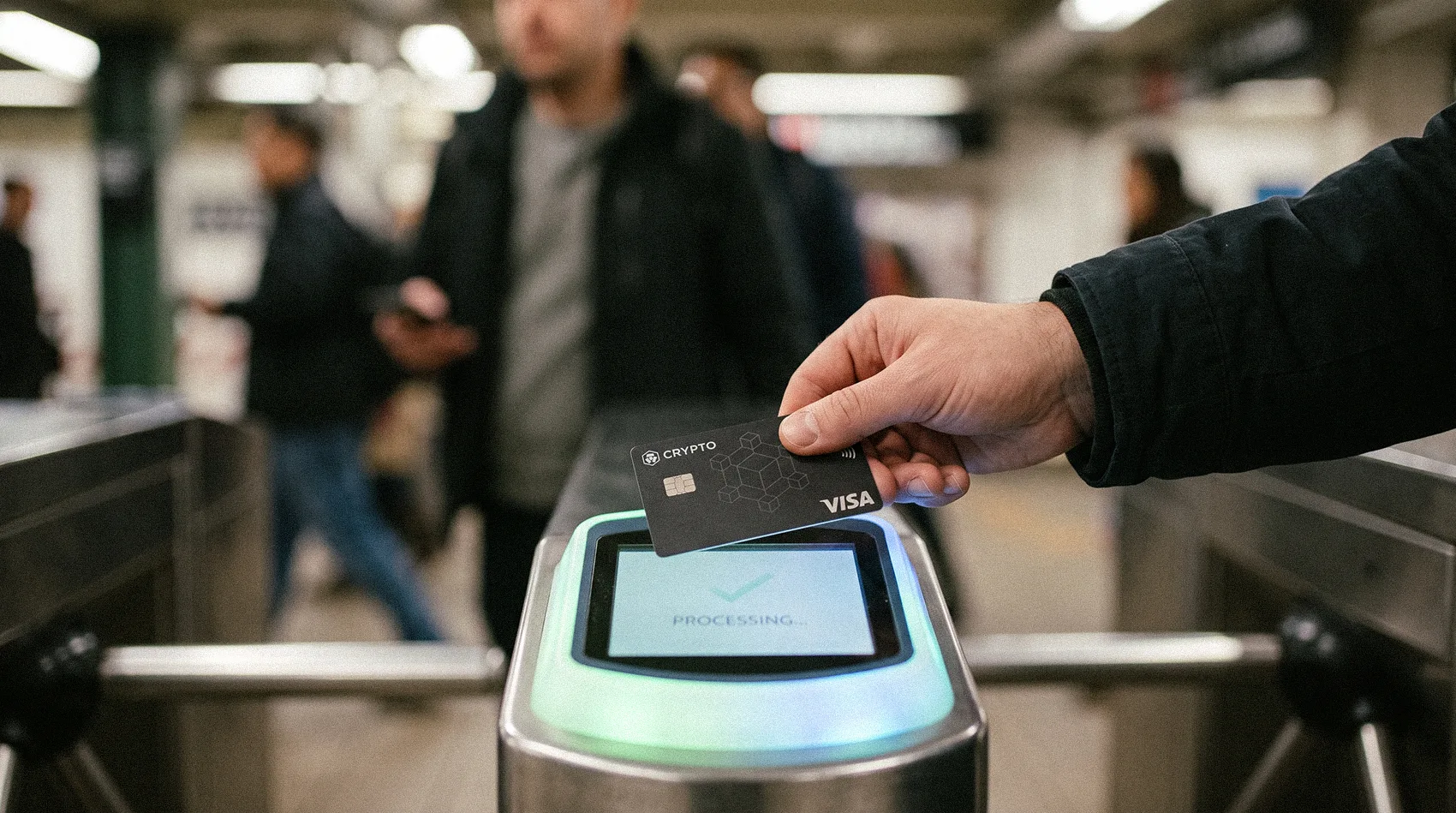
Mastercard is implementing ‘crypto cards’, crypto partners convert digital assets to traditional currencies, then transmit through the Mastercard network, so transactions don't move directly as crypto but are supported.
Elsewhere, JPMorgan, Wells Fargo, US Bancorp, PNC, Fifth Third Bank, and Goldman Sachs all report using blockchain to move away from manual processes towards straight-through processing (STP).
Digitisation is faster for trading, tracking shipments and receiving documents, but security concerns held it back. Blockchain's complex security now gives confidence to streamline processes too valuable to digitise before: P2P transfers (Bitwala), bank transfers (Westpac), trading (Nasdaq, Citigroup), trade finance (Barclays) and syndicated lending (Credit Suisse).
The key terms that come up in blockchain are efficiency and security, processes too valuable to trust to digitisation can now move on-chain.
Mediareach on Blockchain Business Applications
Crypto, Non-Crypto and Facebook
One leader using both crypto and non-crypto is Facebook. Since 2018 Facebook banned crypto advertising, yet its own payment service Facebook Pay operates with Diem (formerly Libra), Facebook doesn't directly own Diem but has large interest in the association acting as monetary authority.
Beyond crypto, Facebook leverages blockchain to securely manage information, new avenues for proof of identification and permissions, like granting access to view only certain videos or photos to certain users, all securely managed through blockchain.
Another example is China. In June 2019, People's Bank of China said it would block all domestic and foreign crypto exchanges and ICO websites. Yet in 2020 the government-backed Blockchain Based Service Network (BSN) launched, giving businesses access to non-crypto blockchain services without building from ground up.
And… You?
It's clear blockchain is widely used by large companies and the trend will only increase. For regular businesses, it comes down to two words: efficiency and security.
Many processes were relegated to paper because they were too important to trust to digitisation: bills of lading, transfers of goods, proof of purchase, receipts, insurance agreements, contracts, wage payments, information storage, monitoring supply chains, delivery records, the list goes on.
Blockchain provides security to confidently transfer these into digital realm, knowing information can't be lost, hacked or stolen.
The barrier was practical, dizzyingly confusing, technically complex and prohibitively expensive. That has changed with BaaS providers. Leading companies across industries aren't just using blockchain for transactions; they're actively looking for more uses.
From sales to secure record keeping and information management, blockchain would seem to have a place in any modern business.
Should Your Business Be Next?
Mediareach helps businesses understand where blockchain adds efficiency and security, from supply chain to payments, without the complexity of building from scratch.
Sources & References
Citibank, Digital assets group launch 2021 — crypto, stablecoins, NFTs, CBDCs. citibank.com
Mastercard, Crypto cards and digital transaction support. mastercard.com
MIT Technology Review, Blockchain security confidence for financial institutions. technologyreview.com
Facebook Pay and Diem (Libra) association. pay.facebook.com
Blockchain Based Service Network (BSN) China launch 2020. bsnbase.com
AWS Blockchain, 32% market share Q1 2021, Hyperledger Fabric and Ethereum BaaS. aws.amazon.com
Baidu XuperChain, 50 billion assets authenticity support. xuper.baidu.com
blockchain adoption marketing
multicultural web3 strategy
blockchain diverse audiences uk
web3 multicultural engagement
blockchain cultural intelligence
global companies blockchain case studies
global companies blockchain marketing
blockchain case studies multicultural
blockchain trust diverse audiences
cultural considerations web3 marketing
blockchain marketing risks uk
avoid cultural missteps web3
Blockchain for diverse audiences
web3 authentic brand engagement
Blockchain multicultural marketing
The UK's pioneering multicultural marketing and advertising agency. Over 40 years connecting brands with diverse communities through cultural insight, creative excellence, and intelligent media strategy.



Sep 20, 2021
Blockchain Adoption Guide for Multicultural Marketing
Blockchain was coined in 2008 but rose with Bitcoin. Now Citibank, Mastercard, Facebook, AWS and Baidu use it far beyond crypto, for efficiency and security.
⏱ 4 min read
By mediareach
Although the term ‘blockchain’ was coined in 2008, many only heard it when Bitcoin surged. But the underlying distributed ledger technology (DLT) has much broader business uses, from peer-to-peer transactions to tracking shipments, cloud storage and secure electronic voting.
Setting up your own blockchain network is extremely complex and expensive, dedicated hardware, software, network components, certificates. Is it out of reach for regular businesses?
Thankfully, not anymore. Blockchain service providers are putting it within reach of smaller businesses. Here's how global leaders are using it.
Citibank, Mastercard and The Banks
When it comes to crypto, two high-profile institutions embracing it are Citibank and Mastercard. Citi launched a new digital assets group in 2021 to help clients invest in cryptocurrencies, stablecoins, NFTs and central bank digital currencies.
Mastercard is implementing ‘crypto cards’, crypto partners convert digital assets to traditional currencies, then transmit through the Mastercard network, so transactions don't move directly as crypto but are supported.
Elsewhere, JPMorgan, Wells Fargo, US Bancorp, PNC, Fifth Third Bank, and Goldman Sachs all report using blockchain to move away from manual processes towards straight-through processing (STP).
Digitisation is faster for trading, tracking shipments and receiving documents, but security concerns held it back. Blockchain's complex security now gives confidence to streamline processes too valuable to digitise before: P2P transfers (Bitwala), bank transfers (Westpac), trading (Nasdaq, Citigroup), trade finance (Barclays) and syndicated lending (Credit Suisse).
The key terms that come up in blockchain are efficiency and security, processes too valuable to trust to digitisation can now move on-chain.
Mediareach on Blockchain Business Applications
Crypto, Non-Crypto and Facebook
One leader using both crypto and non-crypto is Facebook. Since 2018 Facebook banned crypto advertising, yet its own payment service Facebook Pay operates with Diem (formerly Libra), Facebook doesn't directly own Diem but has large interest in the association acting as monetary authority.
Beyond crypto, Facebook leverages blockchain to securely manage information, new avenues for proof of identification and permissions, like granting access to view only certain videos or photos to certain users, all securely managed through blockchain.
Another example is China. In June 2019, People's Bank of China said it would block all domestic and foreign crypto exchanges and ICO websites. Yet in 2020 the government-backed Blockchain Based Service Network (BSN) launched, giving businesses access to non-crypto blockchain services without building from ground up.
And… You?
It's clear blockchain is widely used by large companies and the trend will only increase. For regular businesses, it comes down to two words: efficiency and security.
Many processes were relegated to paper because they were too important to trust to digitisation: bills of lading, transfers of goods, proof of purchase, receipts, insurance agreements, contracts, wage payments, information storage, monitoring supply chains, delivery records, the list goes on.
Blockchain provides security to confidently transfer these into digital realm, knowing information can't be lost, hacked or stolen.
The barrier was practical, dizzyingly confusing, technically complex and prohibitively expensive. That has changed with BaaS providers. Leading companies across industries aren't just using blockchain for transactions; they're actively looking for more uses.
From sales to secure record keeping and information management, blockchain would seem to have a place in any modern business.
Should Your Business Be Next?
Mediareach helps businesses understand where blockchain adds efficiency and security, from supply chain to payments, without the complexity of building from scratch.
Sources & References
Citibank, Digital assets group launch 2021 — crypto, stablecoins, NFTs, CBDCs. citibank.com
Mastercard, Crypto cards and digital transaction support. mastercard.com
MIT Technology Review, Blockchain security confidence for financial institutions. technologyreview.com
Facebook Pay and Diem (Libra) association. pay.facebook.com
Blockchain Based Service Network (BSN) China launch 2020. bsnbase.com
AWS Blockchain, 32% market share Q1 2021, Hyperledger Fabric and Ethereum BaaS. aws.amazon.com
Baidu XuperChain, 50 billion assets authenticity support. xuper.baidu.com
blockchain adoption marketing
multicultural web3 strategy
blockchain diverse audiences uk
web3 multicultural engagement
blockchain cultural intelligence
global companies blockchain case studies
global companies blockchain marketing
blockchain case studies multicultural
blockchain trust diverse audiences
cultural considerations web3 marketing
blockchain marketing risks uk
avoid cultural missteps web3
Blockchain for diverse audiences
web3 authentic brand engagement
Blockchain multicultural marketing
The UK's pioneering multicultural marketing and advertising agency. Over 40 years connecting brands with diverse communities through cultural insight, creative excellence, and intelligent media strategy.
Sep 20, 2021
Blockchain Adoption Guide for Multicultural Marketing
Blockchain was coined in 2008 but rose with Bitcoin. Now Citibank, Mastercard, Facebook, AWS and Baidu use it far beyond crypto, for efficiency and security.
⏱ 4 min read
By mediareach
Although the term ‘blockchain’ was coined in 2008, many only heard it when Bitcoin surged. But the underlying distributed ledger technology (DLT) has much broader business uses, from peer-to-peer transactions to tracking shipments, cloud storage and secure electronic voting.
Setting up your own blockchain network is extremely complex and expensive, dedicated hardware, software, network components, certificates. Is it out of reach for regular businesses?
Thankfully, not anymore. Blockchain service providers are putting it within reach of smaller businesses. Here's how global leaders are using it.
Citibank, Mastercard and The Banks
When it comes to crypto, two high-profile institutions embracing it are Citibank and Mastercard. Citi launched a new digital assets group in 2021 to help clients invest in cryptocurrencies, stablecoins, NFTs and central bank digital currencies.
Mastercard is implementing ‘crypto cards’, crypto partners convert digital assets to traditional currencies, then transmit through the Mastercard network, so transactions don't move directly as crypto but are supported.
Elsewhere, JPMorgan, Wells Fargo, US Bancorp, PNC, Fifth Third Bank, and Goldman Sachs all report using blockchain to move away from manual processes towards straight-through processing (STP).
Digitisation is faster for trading, tracking shipments and receiving documents, but security concerns held it back. Blockchain's complex security now gives confidence to streamline processes too valuable to digitise before: P2P transfers (Bitwala), bank transfers (Westpac), trading (Nasdaq, Citigroup), trade finance (Barclays) and syndicated lending (Credit Suisse).
The key terms that come up in blockchain are efficiency and security, processes too valuable to trust to digitisation can now move on-chain.
Mediareach on Blockchain Business Applications
Crypto, Non-Crypto and Facebook
One leader using both crypto and non-crypto is Facebook. Since 2018 Facebook banned crypto advertising, yet its own payment service Facebook Pay operates with Diem (formerly Libra), Facebook doesn't directly own Diem but has large interest in the association acting as monetary authority.
Beyond crypto, Facebook leverages blockchain to securely manage information, new avenues for proof of identification and permissions, like granting access to view only certain videos or photos to certain users, all securely managed through blockchain.
Another example is China. In June 2019, People's Bank of China said it would block all domestic and foreign crypto exchanges and ICO websites. Yet in 2020 the government-backed Blockchain Based Service Network (BSN) launched, giving businesses access to non-crypto blockchain services without building from ground up.
And… You?
It's clear blockchain is widely used by large companies and the trend will only increase. For regular businesses, it comes down to two words: efficiency and security.
Many processes were relegated to paper because they were too important to trust to digitisation: bills of lading, transfers of goods, proof of purchase, receipts, insurance agreements, contracts, wage payments, information storage, monitoring supply chains, delivery records, the list goes on.
Blockchain provides security to confidently transfer these into digital realm, knowing information can't be lost, hacked or stolen.
The barrier was practical, dizzyingly confusing, technically complex and prohibitively expensive. That has changed with BaaS providers. Leading companies across industries aren't just using blockchain for transactions; they're actively looking for more uses.
From sales to secure record keeping and information management, blockchain would seem to have a place in any modern business.
Should Your Business Be Next?
Mediareach helps businesses understand where blockchain adds efficiency and security, from supply chain to payments, without the complexity of building from scratch.
Sources & References
Citibank, Digital assets group launch 2021 — crypto, stablecoins, NFTs, CBDCs. citibank.com
Mastercard, Crypto cards and digital transaction support. mastercard.com
MIT Technology Review, Blockchain security confidence for financial institutions. technologyreview.com
Facebook Pay and Diem (Libra) association. pay.facebook.com
Blockchain Based Service Network (BSN) China launch 2020. bsnbase.com
AWS Blockchain, 32% market share Q1 2021, Hyperledger Fabric and Ethereum BaaS. aws.amazon.com
Baidu XuperChain, 50 billion assets authenticity support. xuper.baidu.com
blockchain adoption marketing
multicultural web3 strategy
blockchain diverse audiences uk
web3 multicultural engagement
blockchain cultural intelligence
global companies blockchain case studies
global companies blockchain marketing
blockchain case studies multicultural
blockchain trust diverse audiences
cultural considerations web3 marketing
blockchain marketing risks uk
avoid cultural missteps web3
Blockchain for diverse audiences
web3 authentic brand engagement
Blockchain multicultural marketing
The UK's pioneering multicultural marketing and advertising agency. Over 40 years connecting brands with diverse communities through cultural insight, creative excellence, and intelligent media strategy.