
Aug 3, 2020
The Importance of Workplace Diversity in Multicultural Marketing
Multicultural marketing isn't just about the end ad. It's about who gets to make the decisions.
⏱ 4 min read
By mediareach
In the Western world, demographic shifts driven by migration have made multiculturalism a central player in marketing. Companies increasingly see the benefits of targeting minority groups with significant buying power.
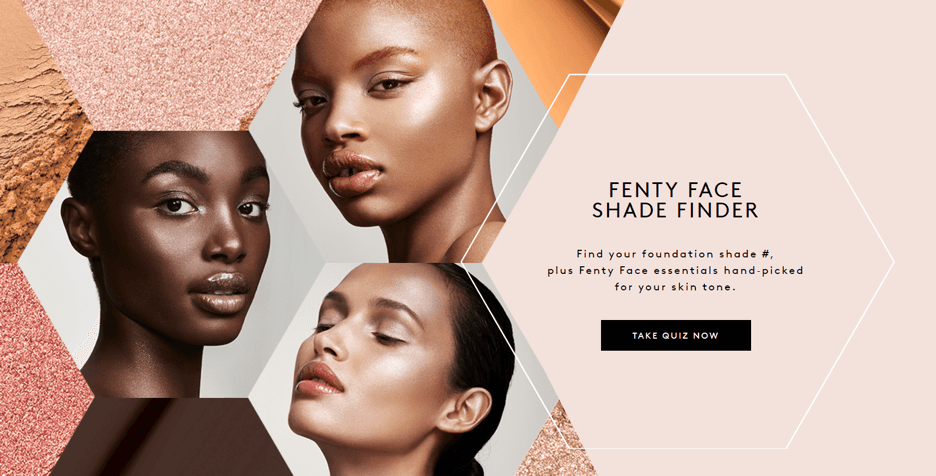
Make-up brands learned this fast. Traditionally offering a narrow shade range, they now face competition from diverse-first launches like Fenty's Face Shade Finder quiz, built for inclusion from the start.
But many brands miss the real point: multicultural marketing success isn't defined only by the end-product. The very minorities you want to reach should be included in decision-making. You must foster multiculturalism inside the workplace as well.
Some companies frown at this, fearing that many different ideas create tension and hurt productivity. Deloitte shows the opposite — it's false. Diverse teams are more creative, not less.
Diversity is Nurturing
Having people from different backgrounds in the workplace leads to a substantial boost in both morale and productivity. A diverse team is inherently more creative, there are more perspectives and opinions than a homogenous group can generate.
That doesn't mean homogenous groups are limited, but growing up in different environments, facing different challenges and receiving different education means the same problem is interpreted in varied ways. In other words, what is invisible to one person can be highly evident to another.

The Thin Line Between Multiculturalism and Inclusion
Most companies treat multiculturalism and inclusion as interchangeable. They are not — and confusing them can backfire.
Multiculturalism is embracing cultural plurality in daily life. Interpreting it as the same as inclusion is wrong. By only trying to access minority markets through multicultural campaigns, brands can be seen as fake friends interested only in profiting from audiences.
Genuine inclusion happens when a company acknowledges that the real profit is not just buying power, but skills, knowledge and values brought into the workplace.
Money is not the only thing you can gain from minority groups; their skills, knowledge and values in the workplace are the real profit.
Multicultural Marketing
Beyond Buying Power
The Future is Diverse
While Brexit's impact on migration is still unfolding, Britain is expected to become the world's most racially diverse country in less than 40 years, according to an LSE study. Experts predict Britain will eventually become a minority-majority country.
That is why reaching out to minorities and giving them an earned seat at the table matters, not just as consumers, but as creators. Transitioning to diversity as a core value is how companies stay relevant in this new age.

Is Your Workplace as Diverse as Your Audience
Mediareach helps brands move from fake friends to genuine inclusion, with diverse teams, lived-experience insights and multicultural strategy built in, not bolted on.
Sources & References
Fenty Beauty Face Shade Finder quiz — example of diverse product marketing vs narrow shade ranges.
Deloitte — diverse ideas do not foster tension that hurts productivity; misconception is false.
Forbes — multiculturalism vs inclusion not interchangeable; brands seen as fake friends if only after profit.
LSE Study — Britain expected to become world's most racially diverse country in less than 40 years, minority-majority future.
workplace diversity multicultural marketing
importance workplace diversity
multiculturalism vs inclusion
Fenty Beauty diversity
Deloitte diversity productivity
minority-majority Britain
diverse teams creativity
fake friends marketing
LSE diversity study
Mediareach diversity
The UK's pioneering multicultural marketing and advertising agency. Over 40 years connecting brands with diverse communities through cultural insight, creative excellence, and intelligent media strategy.



Aug 3, 2020
The Importance of Workplace Diversity in Multicultural Marketing
Multicultural marketing isn't just about the end ad. It's about who gets to make the decisions.
⏱ 4 min read
By mediareach
In the Western world, demographic shifts driven by migration have made multiculturalism a central player in marketing. Companies increasingly see the benefits of targeting minority groups with significant buying power.
Make-up brands learned this fast. Traditionally offering a narrow shade range, they now face competition from diverse-first launches like Fenty's Face Shade Finder quiz, built for inclusion from the start.
But many brands miss the real point: multicultural marketing success isn't defined only by the end-product. The very minorities you want to reach should be included in decision-making. You must foster multiculturalism inside the workplace as well.
Some companies frown at this, fearing that many different ideas create tension and hurt productivity. Deloitte shows the opposite — it's false. Diverse teams are more creative, not less.
Diversity is Nurturing
Having people from different backgrounds in the workplace leads to a substantial boost in both morale and productivity. A diverse team is inherently more creative, there are more perspectives and opinions than a homogenous group can generate.
That doesn't mean homogenous groups are limited, but growing up in different environments, facing different challenges and receiving different education means the same problem is interpreted in varied ways. In other words, what is invisible to one person can be highly evident to another.
The Thin Line Between Multiculturalism and Inclusion
Most companies treat multiculturalism and inclusion as interchangeable. They are not — and confusing them can backfire.
Multiculturalism is embracing cultural plurality in daily life. Interpreting it as the same as inclusion is wrong. By only trying to access minority markets through multicultural campaigns, brands can be seen as fake friends interested only in profiting from audiences.
Genuine inclusion happens when a company acknowledges that the real profit is not just buying power, but skills, knowledge and values brought into the workplace.
Money is not the only thing you can gain from minority groups; their skills, knowledge and values in the workplace are the real profit.
Multicultural Marketing
Beyond Buying Power
The Future is Diverse
While Brexit's impact on migration is still unfolding, Britain is expected to become the world's most racially diverse country in less than 40 years, according to an LSE study. Experts predict Britain will eventually become a minority-majority country.
That is why reaching out to minorities and giving them an earned seat at the table matters, not just as consumers, but as creators. Transitioning to diversity as a core value is how companies stay relevant in this new age.
Is Your Workplace as Diverse as Your Audience
Mediareach helps brands move from fake friends to genuine inclusion, with diverse teams, lived-experience insights and multicultural strategy built in, not bolted on.
Sources & References
Fenty Beauty Face Shade Finder quiz — example of diverse product marketing vs narrow shade ranges.
Deloitte — diverse ideas do not foster tension that hurts productivity; misconception is false.
Forbes — multiculturalism vs inclusion not interchangeable; brands seen as fake friends if only after profit.
LSE Study — Britain expected to become world's most racially diverse country in less than 40 years, minority-majority future.
workplace diversity multicultural marketing
importance workplace diversity
multiculturalism vs inclusion
Fenty Beauty diversity
Deloitte diversity productivity
minority-majority Britain
diverse teams creativity
fake friends marketing
LSE diversity study
Mediareach diversity
The UK's pioneering multicultural marketing and advertising agency. Over 40 years connecting brands with diverse communities through cultural insight, creative excellence, and intelligent media strategy.