Sep 15, 2020
What Is Blackfishing & How Can Brands Avoid It in Influencer Advertising?
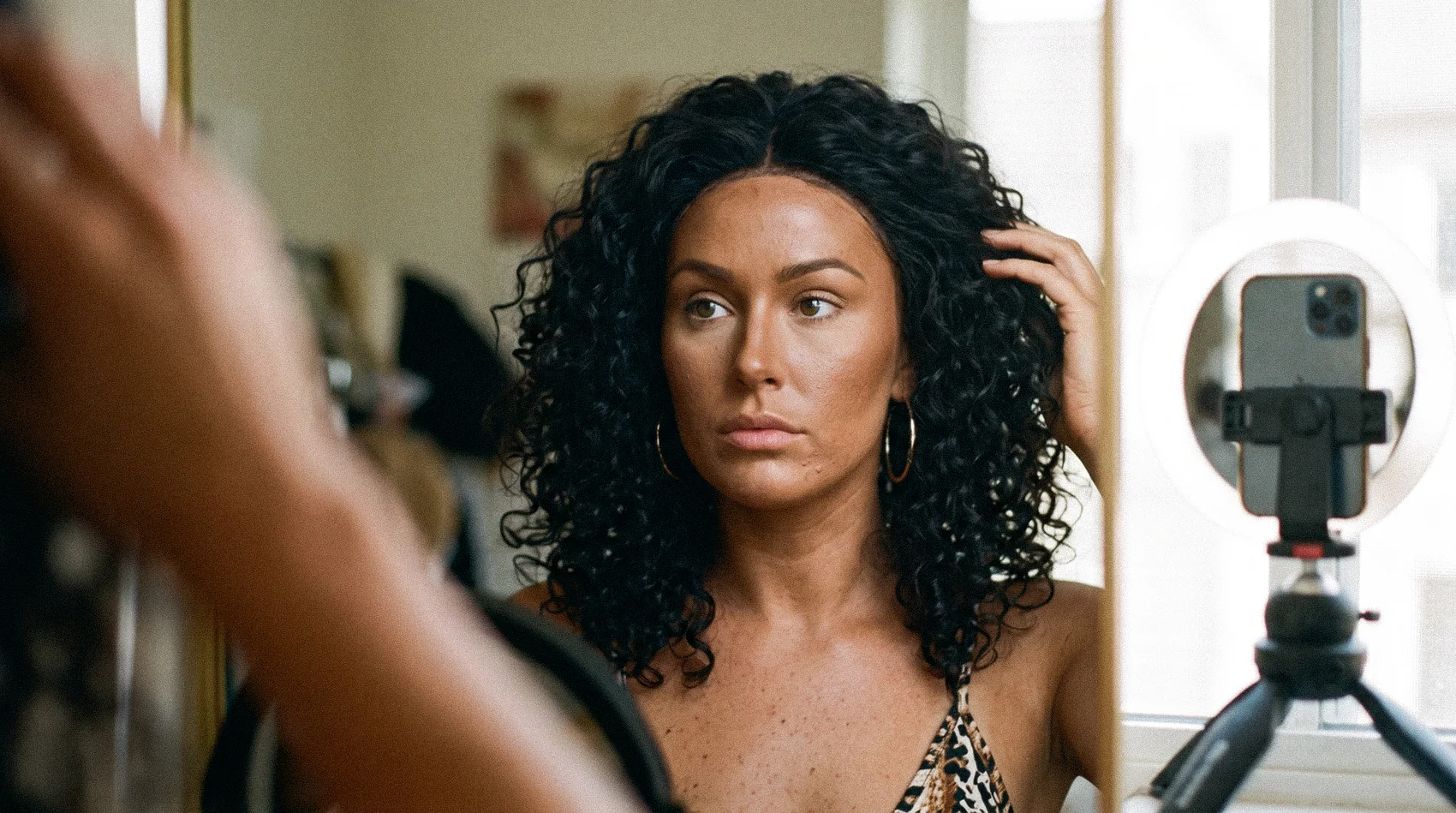
When non-Black influencers adopt Black hairstyles, darker makeup and Black fashion to appear racially ambiguous, brands that reward the look risk offending Black consumers.
⏱ 4 min read
By mediareach
Controversy around blackfishing in influencer advertising is growing, and brands that get it wrong risk being seen as culturally insensitive.
So what does it actually mean, and how can you stay on the right side of it?
What Does Blackfishing Mean?
Blackfishing is a term for when celebrities or influencers who are not Black deliberately adopt hairstyles traditionally associated with Black people, like braids and baby hairs, along with darker makeup shades and fashion codes from Black culture, to make themselves appear Black or mixed-race.
It's not appreciation. It's co-opting an aesthetic without the lived experience, and often profiting from it.
Recent Examples Brands Should Know
Black consumers have been calling this out for years. A 2018 Twitter thread called out Instagram influencers wearing darker foundation, durags, and protective styles associated with Black culture.
High-profile cases made it mainstream: singer Rita Ora, who is Albanian, was questioned after appearing with significantly darker skin and braids, leading fans to assume she was mixed-race. Despite being open about her ethnicity, the confusion highlighted how easily consumers can be misled.
More recently, TikTok star Addison Rae (30M+ followers) was accused of blackfishing after posting a video where her makeup noticeably darkened her skin. Followers said it created racial ambiguity that allowed her to adopt Black styles without being accused of appropriation.
Even publishers are at risk. In April 2020, The Interview magazine shot Selena Gomez looking much darker than usual with braided baby hairs, a style common among Black women. Critics pointed out the magazine, not just the talent, was responsible for creative choices.
"What we are seeing is another way of white women co-opting, profiting and benefiting from appropriating another race and brands are encouraging this."
Stephanie Yeboah
Writer & Author, on Blackfishing
The Industry Blind Spot
• 92% of PR industry professionals are white, according to InfluenceOnline, which leads to poorer representation for Black influencers. • Former Gap, Airbnb, Nike and Snapchat exec Eric Toda puts it plainly: “Marketing is a predominantly white industry, so naturally there are marketers who choose influencers who look like them.” • The fix: put values-driven messages out there, show real life versus a sterilised mirage, and partner with influencers who represent different stories, races and socio-economic backgrounds.
Are Brands at Risk?
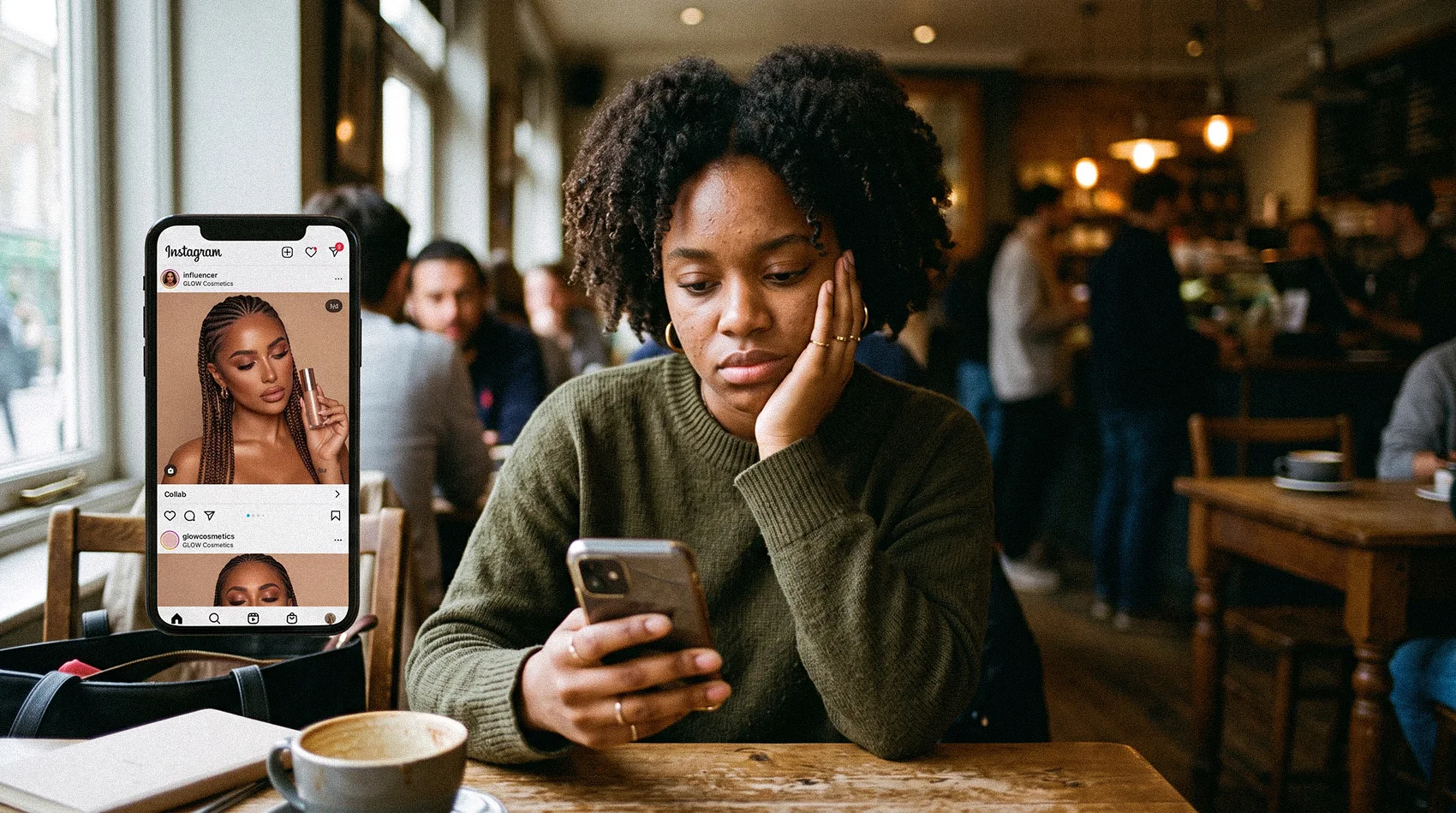
Yes. As Stephanie Yeboah notes, many women receive endorsements from beauty and fashion brands based on the 'Black aesthetic' while real Black women are forgotten for campaigns.
Beauty and lifestyle influencer Alexus Crown summed up the frustration: “It is extremely disheartening to see brands do everything 'Black' except hire Black creators. Brands will use inspiration from Black culture, historic hairstyles, lingo, style and even hire models who 'blackfish' before hiring a Black influencer.”
3 Steps Brands Can Take to Avoid Blackfishing
1. Audit Your Creative Team
Diverse teams spot what homogenous teams miss. If your decision-makers all look alike, you will miss cultural cues. Build cultural checks into casting and creative review.
2. Hire Black Creators Authentically
If you want to appeal to Black consumers in a culturally sensitive way, work with Black influencers as the first step — not the afterthought. Don't just borrow lingo, hairstyles and style; credit and compensate the culture.
3. Choose Values Over Vanity Metrics
Don't chase an ambiguous look because it trends. Choose purpose, real-life stories and long-term relationships with creators who genuinely connect with the communities you want to reach.
Most brands know cultural appropriation causes harm. Blackfishing is a form of it. Reducing that risk means choosing authentic representation over aesthetic.
Want Culturally Intelligent Influencer Campaigns?
Mediareach has 40+ years experience helping brands connect with Black and diverse UK audiences without stereotypes or missteps. Let's build campaigns that resonate for the right reasons.
Sources & References
BBC, What is blackfishing? Definition and context. bbc.co.uk
The Guardian, Blackfishing: Black is cool unless you're actually Black, April 2020. theguardian.com
Grazia / iNews / Insider, Rita Ora ethnicity discussion and blackfishing accusations. graziadaily.co.uk
BuzzFeed, Addison Rae blackfishing TikTok video coverage. buzzfeed.com
InfluenceOnline, Unconscious bias in influencer marketing — 92% white PR industry. influenceonline.co.uk
PureWow / Medium, Stephanie Yeboah and Alexus Crown interviews on brand complicity. purewow.com
what is blackfishing
blackfishing influencer advertising
blackfishing brands
cultural appropriation influencer
Rita Ora blackfishing
Addison Rae blackfishing
black influencers UK
diversity influencer marketing
black aesthetic appropriation
inclusive influencer marketing
authentic Black representation
The UK's pioneering multicultural marketing and advertising agency. Over 40 years connecting brands with diverse communities through cultural insight, creative excellence, and intelligent media strategy.

Sep 15, 2020
What Is Blackfishing & How Can Brands Avoid It in Influencer Advertising?
When non-Black influencers adopt Black hairstyles, darker makeup and Black fashion to appear racially ambiguous, brands that reward the look risk offending Black consumers.
⏱ 4 min read
By mediareach
Controversy around blackfishing in influencer advertising is growing, and brands that get it wrong risk being seen as culturally insensitive.
So what does it actually mean, and how can you stay on the right side of it?
What Does Blackfishing Mean?
Blackfishing is a term for when celebrities or influencers who are not Black deliberately adopt hairstyles traditionally associated with Black people, like braids and baby hairs, along with darker makeup shades and fashion codes from Black culture, to make themselves appear Black or mixed-race.
It's not appreciation. It's co-opting an aesthetic without the lived experience, and often profiting from it.
Recent Examples Brands Should Know
Black consumers have been calling this out for years. A 2018 Twitter thread called out Instagram influencers wearing darker foundation, durags, and protective styles associated with Black culture.
High-profile cases made it mainstream: singer Rita Ora, who is Albanian, was questioned after appearing with significantly darker skin and braids, leading fans to assume she was mixed-race. Despite being open about her ethnicity, the confusion highlighted how easily consumers can be misled.
More recently, TikTok star Addison Rae (30M+ followers) was accused of blackfishing after posting a video where her makeup noticeably darkened her skin. Followers said it created racial ambiguity that allowed her to adopt Black styles without being accused of appropriation.
Even publishers are at risk. In April 2020, The Interview magazine shot Selena Gomez looking much darker than usual with braided baby hairs, a style common among Black women. Critics pointed out the magazine, not just the talent, was responsible for creative choices.
"What we are seeing is another way of white women co-opting, profiting and benefiting from appropriating another race and brands are encouraging this."
Stephanie Yeboah
Writer & Author, on Blackfishing
The Industry Blind Spot
• 92% of PR industry professionals are white, according to InfluenceOnline, which leads to poorer representation for Black influencers. • Former Gap, Airbnb, Nike and Snapchat exec Eric Toda puts it plainly: “Marketing is a predominantly white industry, so naturally there are marketers who choose influencers who look like them.” • The fix: put values-driven messages out there, show real life versus a sterilised mirage, and partner with influencers who represent different stories, races and socio-economic backgrounds.
Are Brands at Risk?
Yes. As Stephanie Yeboah notes, many women receive endorsements from beauty and fashion brands based on the 'Black aesthetic' while real Black women are forgotten for campaigns.
Beauty and lifestyle influencer Alexus Crown summed up the frustration: “It is extremely disheartening to see brands do everything 'Black' except hire Black creators. Brands will use inspiration from Black culture, historic hairstyles, lingo, style and even hire models who 'blackfish' before hiring a Black influencer.”
3 Steps Brands Can Take to Avoid Blackfishing
1. Audit Your Creative Team
Diverse teams spot what homogenous teams miss. If your decision-makers all look alike, you will miss cultural cues. Build cultural checks into casting and creative review.
2. Hire Black Creators Authentically
If you want to appeal to Black consumers in a culturally sensitive way, work with Black influencers as the first step — not the afterthought. Don't just borrow lingo, hairstyles and style; credit and compensate the culture.
3. Choose Values Over Vanity Metrics
Don't chase an ambiguous look because it trends. Choose purpose, real-life stories and long-term relationships with creators who genuinely connect with the communities you want to reach.
Most brands know cultural appropriation causes harm. Blackfishing is a form of it. Reducing that risk means choosing authentic representation over aesthetic.
Want Culturally Intelligent Influencer Campaigns?
Mediareach has 40+ years experience helping brands connect with Black and diverse UK audiences without stereotypes or missteps. Let's build campaigns that resonate for the right reasons.
Sources & References
BBC, What is blackfishing? Definition and context. bbc.co.uk
The Guardian, Blackfishing: Black is cool unless you're actually Black, April 2020. theguardian.com
Grazia / iNews / Insider, Rita Ora ethnicity discussion and blackfishing accusations. graziadaily.co.uk
BuzzFeed, Addison Rae blackfishing TikTok video coverage. buzzfeed.com
InfluenceOnline, Unconscious bias in influencer marketing — 92% white PR industry. influenceonline.co.uk
PureWow / Medium, Stephanie Yeboah and Alexus Crown interviews on brand complicity. purewow.com
what is blackfishing
blackfishing influencer advertising
blackfishing brands
cultural appropriation influencer
Rita Ora blackfishing
Addison Rae blackfishing
black influencers UK
diversity influencer marketing
black aesthetic appropriation
inclusive influencer marketing
authentic Black representation
The UK's pioneering multicultural marketing and advertising agency. Over 40 years connecting brands with diverse communities through cultural insight, creative excellence, and intelligent media strategy.
Sep 15, 2020
What Is Blackfishing & How Can Brands Avoid It in Influencer Advertising?
When non-Black influencers adopt Black hairstyles, darker makeup and Black fashion to appear racially ambiguous, brands that reward the look risk offending Black consumers.
⏱ 4 min read
By mediareach
Controversy around blackfishing in influencer advertising is growing, and brands that get it wrong risk being seen as culturally insensitive.
So what does it actually mean, and how can you stay on the right side of it?
What Does Blackfishing Mean?
Blackfishing is a term for when celebrities or influencers who are not Black deliberately adopt hairstyles traditionally associated with Black people, like braids and baby hairs, along with darker makeup shades and fashion codes from Black culture, to make themselves appear Black or mixed-race.
It's not appreciation. It's co-opting an aesthetic without the lived experience, and often profiting from it.
Recent Examples Brands Should Know
Black consumers have been calling this out for years. A 2018 Twitter thread called out Instagram influencers wearing darker foundation, durags, and protective styles associated with Black culture.
High-profile cases made it mainstream: singer Rita Ora, who is Albanian, was questioned after appearing with significantly darker skin and braids, leading fans to assume she was mixed-race. Despite being open about her ethnicity, the confusion highlighted how easily consumers can be misled.
More recently, TikTok star Addison Rae (30M+ followers) was accused of blackfishing after posting a video where her makeup noticeably darkened her skin. Followers said it created racial ambiguity that allowed her to adopt Black styles without being accused of appropriation.
Even publishers are at risk. In April 2020, The Interview magazine shot Selena Gomez looking much darker than usual with braided baby hairs, a style common among Black women. Critics pointed out the magazine, not just the talent, was responsible for creative choices.
"What we are seeing is another way of white women co-opting, profiting and benefiting from appropriating another race and brands are encouraging this."
Stephanie Yeboah
Writer & Author, on Blackfishing
The Industry Blind Spot
• 92% of PR industry professionals are white, according to InfluenceOnline, which leads to poorer representation for Black influencers. • Former Gap, Airbnb, Nike and Snapchat exec Eric Toda puts it plainly: “Marketing is a predominantly white industry, so naturally there are marketers who choose influencers who look like them.” • The fix: put values-driven messages out there, show real life versus a sterilised mirage, and partner with influencers who represent different stories, races and socio-economic backgrounds.
Are Brands at Risk?
Yes. As Stephanie Yeboah notes, many women receive endorsements from beauty and fashion brands based on the 'Black aesthetic' while real Black women are forgotten for campaigns.
Beauty and lifestyle influencer Alexus Crown summed up the frustration: “It is extremely disheartening to see brands do everything 'Black' except hire Black creators. Brands will use inspiration from Black culture, historic hairstyles, lingo, style and even hire models who 'blackfish' before hiring a Black influencer.”
3 Steps Brands Can Take to Avoid Blackfishing
1. Audit Your Creative Team
Diverse teams spot what homogenous teams miss. If your decision-makers all look alike, you will miss cultural cues. Build cultural checks into casting and creative review.
2. Hire Black Creators Authentically
If you want to appeal to Black consumers in a culturally sensitive way, work with Black influencers as the first step — not the afterthought. Don't just borrow lingo, hairstyles and style; credit and compensate the culture.
3. Choose Values Over Vanity Metrics
Don't chase an ambiguous look because it trends. Choose purpose, real-life stories and long-term relationships with creators who genuinely connect with the communities you want to reach.
Most brands know cultural appropriation causes harm. Blackfishing is a form of it. Reducing that risk means choosing authentic representation over aesthetic.
Want Culturally Intelligent Influencer Campaigns?
Mediareach has 40+ years experience helping brands connect with Black and diverse UK audiences without stereotypes or missteps. Let's build campaigns that resonate for the right reasons.
Sources & References
BBC, What is blackfishing? Definition and context. bbc.co.uk
The Guardian, Blackfishing: Black is cool unless you're actually Black, April 2020. theguardian.com
Grazia / iNews / Insider, Rita Ora ethnicity discussion and blackfishing accusations. graziadaily.co.uk
BuzzFeed, Addison Rae blackfishing TikTok video coverage. buzzfeed.com
InfluenceOnline, Unconscious bias in influencer marketing — 92% white PR industry. influenceonline.co.uk
PureWow / Medium, Stephanie Yeboah and Alexus Crown interviews on brand complicity. purewow.com
what is blackfishing
blackfishing influencer advertising
blackfishing brands
cultural appropriation influencer
Rita Ora blackfishing
Addison Rae blackfishing
black influencers UK
diversity influencer marketing
black aesthetic appropriation
inclusive influencer marketing
authentic Black representation
The UK's pioneering multicultural marketing and advertising agency. Over 40 years connecting brands with diverse communities through cultural insight, creative excellence, and intelligent media strategy.