Apr 2, 2026
The 2021 Census Decoded: What Britain's Demographic Transformation Means for Every Brand's Marketing Strategy
The most comprehensive picture of multicultural Britain ever recorded reveals that the UK has changed more in a decade than most marketers realise. Here are the numbers every CMO needs to see.
⏱ 9 min read
By Mediareach
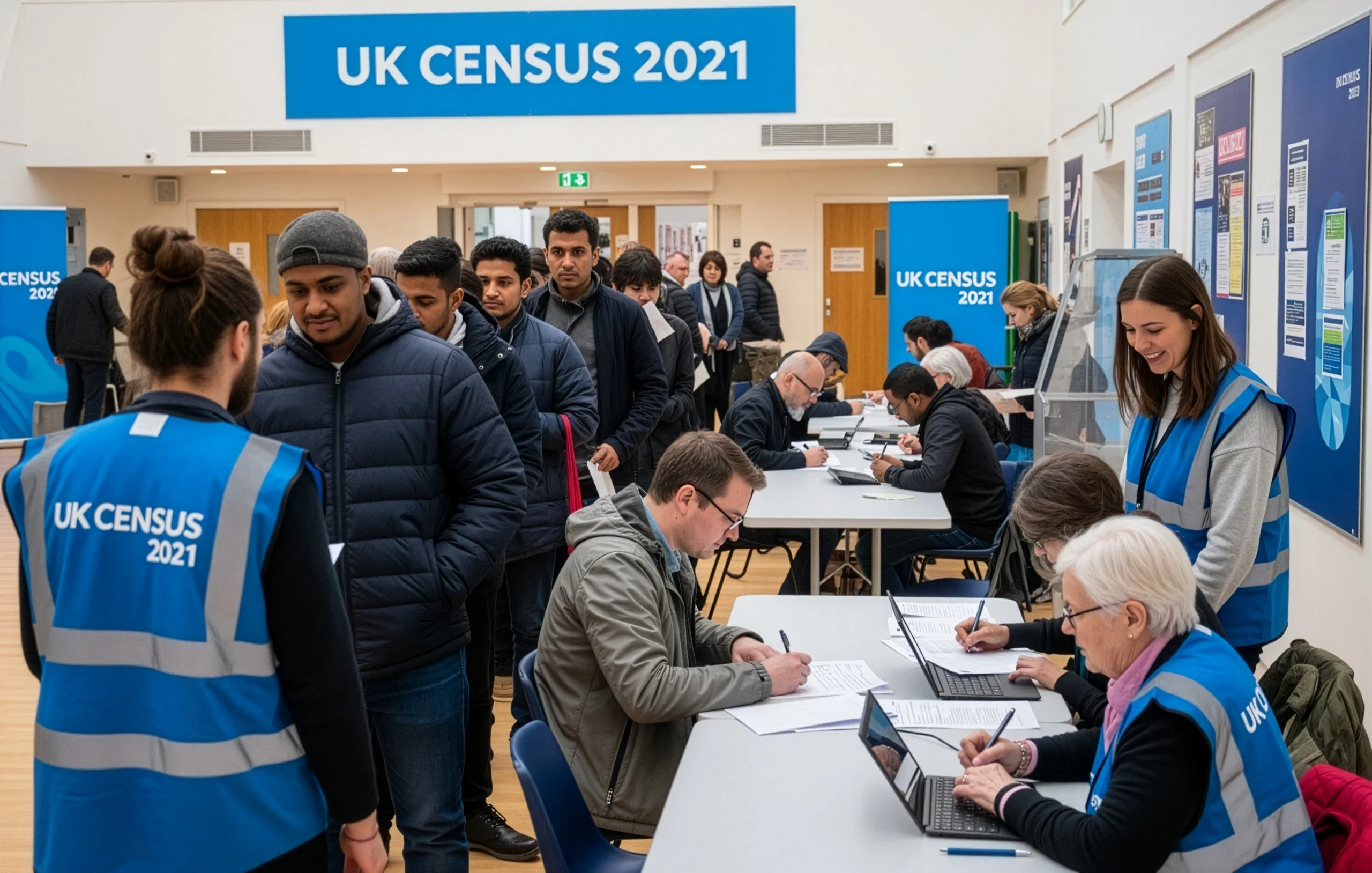
When the Office for National Statistics published the full results of the 2021 Census for England and Wales, it confirmed what those of us working in multicultural marketing had been saying for years: Britain has undergone a demographic transformation of historic proportions. Yet the response from the majority of UK brands has been remarkably muted. Most have carried on marketing as if their audience composition had not fundamentally changed.
This article translates the Census data into what it actually means for brands, marketers, and anyone responsible for connecting with consumers in modern Britain.
The Headline Numbers Every Marketer Needs
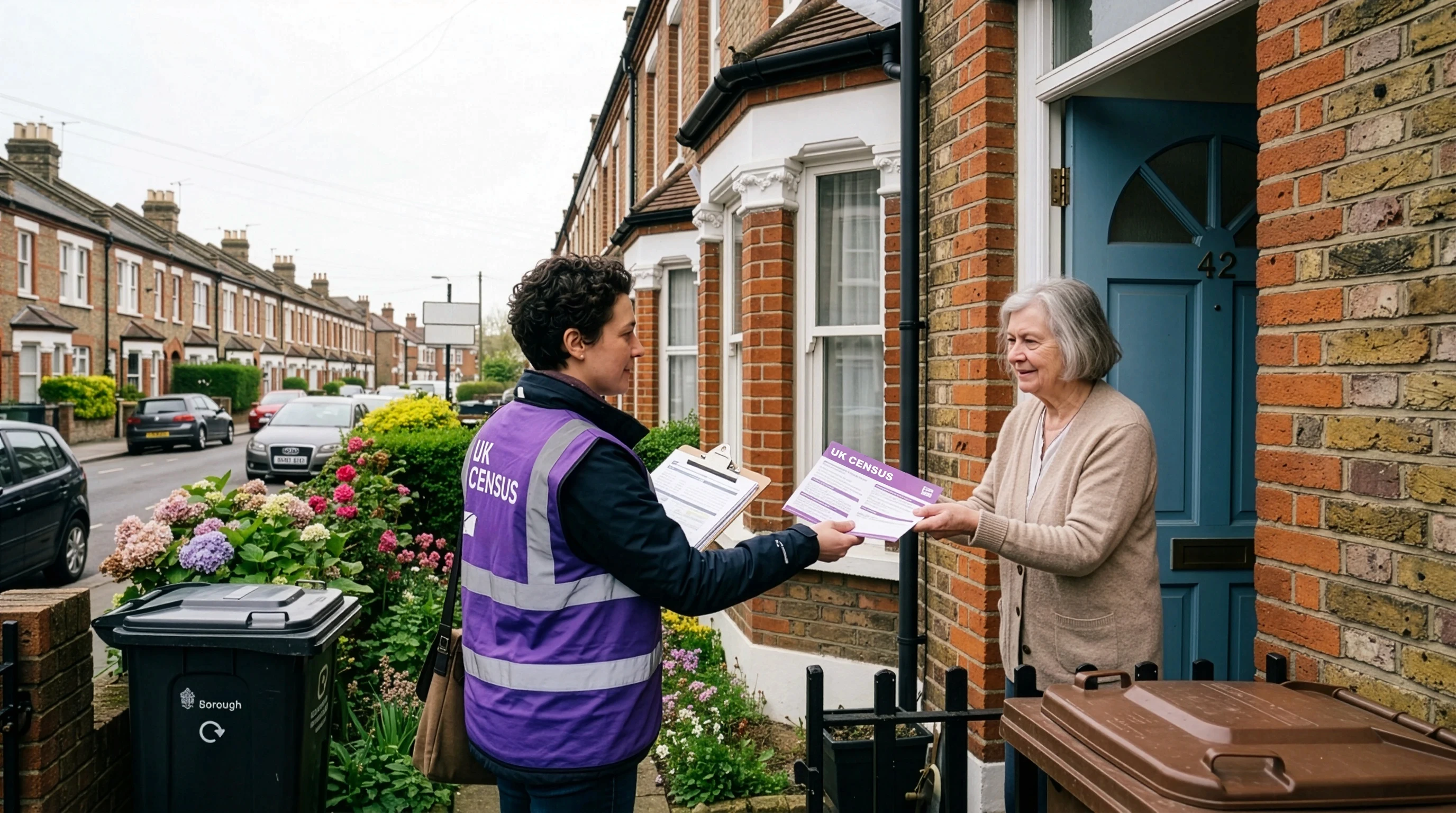
The overall picture is clear: ethnic minorities now make up 18.3% of the population in England and Wales—up from 14% in 2011. That 4.3 percentage point increase translates to millions of additional consumers from diverse backgrounds entering or growing within the marketplace. Across the UK as a whole, approximately 16% of the population is from an ethnic minority background.
The growth is not evenly distributed. London remains the epicentre of diversity, where only 36.8% of residents identify as White British—meaning that 63.2% of the capital's population comes from other ethnic backgrounds. But the transformation extends far beyond London. The West Midlands has 29.4% ethnic minority representation. The North West, Yorkshire, and the East Midlands have all seen significant increases. Leicester, Birmingham, Luton, Slough, and Manchester are now classified as "no majority" cities.
The Asian and Asian British population emerged as the second-largest ethnic category at 9.3% (5.5 million people), showing the largest percentage point increase from 7.5% in 2011. The Black, Black British, Caribbean, or African population reached 4% (2.4 million). The Mixed or Multiple ethnic group grew to 2.9% (1.7 million). And strikingly, the "Other" ethnic group category doubled from 1% to 2.1%, reflecting the increasing complexity of Britain's ethnic composition.
What This Means for Marketing Strategy
The Maths of Market Share
The arithmetic is inescapable. If your brand is running a single, mainstream-targeted campaign in London, you are choosing not to speak specifically to 63.2% of the city's population. In Birmingham, you are overlooking roughly 30% of potential customers. Nationally, you are making a strategic decision to treat almost one in five consumers as an afterthought. No CMO would accept this level of market neglect in any other dimension of their strategy.
The Growth Trajectory
The demographic trend is accelerating, not plateauing. Birth rates among ethnic minority communities are higher than the national average. Mixed heritage is the fastest-growing ethnic category, reflecting increasing inter-ethnic relationships. Immigration continues to add to the diversity of the population. Current projections suggest that by 2040, ethnic minorities could account for more than one in four UK residents. Brands that build multicultural marketing capabilities now are investing in the future composition of their customer base.
Regional Opportunities
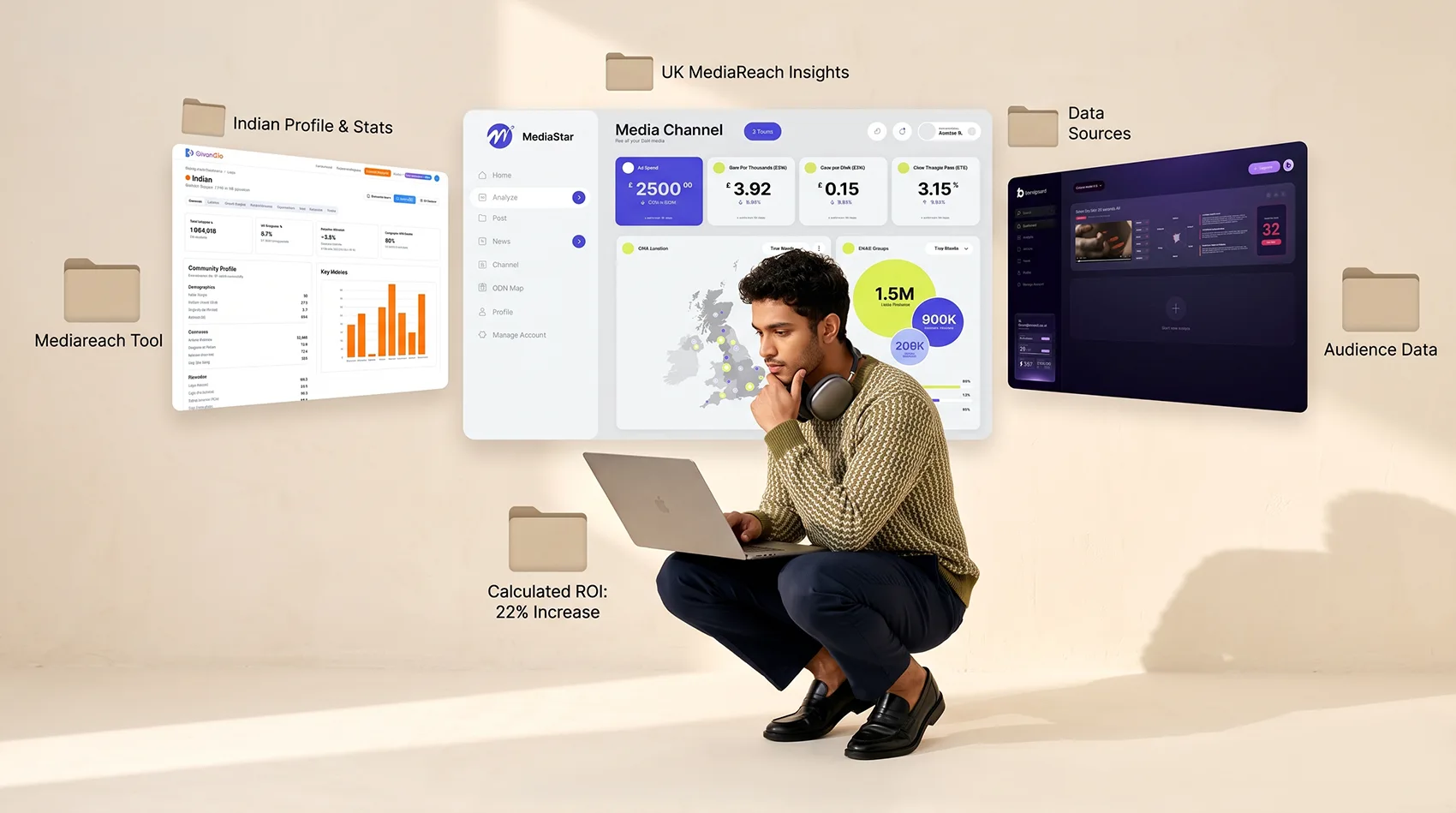
One of the most important strategic takeaways from the Census is that multicultural marketing is no longer a "London strategy." Cities across England—from Leicester's substantial Indian community to Bradford's Pakistani community to Cardiff's growing Somali community—each represent distinct opportunities that require localised, culturally intelligent approaches. Mediareach's audience segmentation goes down to neighbourhood level, helping brands identify and engage diverse communities with geographic precision.
The Language Data: An Overlooked Marketing Asset
The Census also revealed that while English remains the dominant language, significant numbers of UK residents speak other languages at home. Polish, Romanian, Punjabi, Urdu, Bengali, Gujarati, Arabic, and Mandarin/Cantonese are among the most common non-English languages. This linguistic diversity creates opportunities for brands willing to communicate in community languages—not as a translation exercise, but as a genuine effort to meet consumers in their preferred language.
Mediareach's multilingual content capabilities, powered by our AI Content and Creator Innovation service, enable brands to produce culturally native content in multiple languages at scale—ensuring that messaging is not just linguistically accurate but culturally resonant.
Turn Census Data into Marketing Strategy
The data is clear. Britain is more diverse than ever, and the trend is accelerating. Mediareach turns demographic insight into actionable multicultural marketing strategies—from cultural audits and audience segmentation to campaign execution and AI-powered content at scale.
UK Census 2021 marketing implications
UK ethnic demographics marketing
multicultural Britain statistics
diverse UK population brands
ethnic minority population UK 2026
UK demographic change marketing
London diversity statistics
multicultural consumer data UK
ONS Census diverse communities
multicultural marketing data
UK population ethnic breakdown
diverse audience data UK
multicultural market sizing UK
The UK's pioneering multicultural marketing and advertising agency. Over 40 years connecting brands with diverse communities through cultural insight, creative excellence, and intelligent media strategy. mediareach.co


Apr 2, 2026
The 2021 Census Decoded: What Britain's Demographic Transformation Means for Every Brand's Marketing Strategy
The most comprehensive picture of multicultural Britain ever recorded reveals that the UK has changed more in a decade than most marketers realise. Here are the numbers every CMO needs to see.
⏱ 9 min read
By Mediareach
When the Office for National Statistics published the full results of the 2021 Census for England and Wales, it confirmed what those of us working in multicultural marketing had been saying for years: Britain has undergone a demographic transformation of historic proportions. Yet the response from the majority of UK brands has been remarkably muted. Most have carried on marketing as if their audience composition had not fundamentally changed.
This article translates the Census data into what it actually means for brands, marketers, and anyone responsible for connecting with consumers in modern Britain.
The Headline Numbers Every Marketer Needs
The overall picture is clear: ethnic minorities now make up 18.3% of the population in England and Wales—up from 14% in 2011. That 4.3 percentage point increase translates to millions of additional consumers from diverse backgrounds entering or growing within the marketplace. Across the UK as a whole, approximately 16% of the population is from an ethnic minority background.
The growth is not evenly distributed. London remains the epicentre of diversity, where only 36.8% of residents identify as White British—meaning that 63.2% of the capital's population comes from other ethnic backgrounds. But the transformation extends far beyond London. The West Midlands has 29.4% ethnic minority representation. The North West, Yorkshire, and the East Midlands have all seen significant increases. Leicester, Birmingham, Luton, Slough, and Manchester are now classified as "no majority" cities.
The Asian and Asian British population emerged as the second-largest ethnic category at 9.3% (5.5 million people), showing the largest percentage point increase from 7.5% in 2011. The Black, Black British, Caribbean, or African population reached 4% (2.4 million). The Mixed or Multiple ethnic group grew to 2.9% (1.7 million). And strikingly, the "Other" ethnic group category doubled from 1% to 2.1%, reflecting the increasing complexity of Britain's ethnic composition.
What This Means for Marketing Strategy
The Maths of Market Share
The arithmetic is inescapable. If your brand is running a single, mainstream-targeted campaign in London, you are choosing not to speak specifically to 63.2% of the city's population. In Birmingham, you are overlooking roughly 30% of potential customers. Nationally, you are making a strategic decision to treat almost one in five consumers as an afterthought. No CMO would accept this level of market neglect in any other dimension of their strategy.
The Growth Trajectory
The demographic trend is accelerating, not plateauing. Birth rates among ethnic minority communities are higher than the national average. Mixed heritage is the fastest-growing ethnic category, reflecting increasing inter-ethnic relationships. Immigration continues to add to the diversity of the population. Current projections suggest that by 2040, ethnic minorities could account for more than one in four UK residents. Brands that build multicultural marketing capabilities now are investing in the future composition of their customer base.
Regional Opportunities
One of the most important strategic takeaways from the Census is that multicultural marketing is no longer a "London strategy." Cities across England—from Leicester's substantial Indian community to Bradford's Pakistani community to Cardiff's growing Somali community—each represent distinct opportunities that require localised, culturally intelligent approaches. Mediareach's audience segmentation goes down to neighbourhood level, helping brands identify and engage diverse communities with geographic precision.
The Language Data: An Overlooked Marketing Asset
The Census also revealed that while English remains the dominant language, significant numbers of UK residents speak other languages at home. Polish, Romanian, Punjabi, Urdu, Bengali, Gujarati, Arabic, and Mandarin/Cantonese are among the most common non-English languages. This linguistic diversity creates opportunities for brands willing to communicate in community languages—not as a translation exercise, but as a genuine effort to meet consumers in their preferred language.
Mediareach's multilingual content capabilities, powered by our AI Content and Creator Innovation service, enable brands to produce culturally native content in multiple languages at scale—ensuring that messaging is not just linguistically accurate but culturally resonant.
Turn Census Data into Marketing Strategy
The data is clear. Britain is more diverse than ever, and the trend is accelerating. Mediareach turns demographic insight into actionable multicultural marketing strategies—from cultural audits and audience segmentation to campaign execution and AI-powered content at scale.
UK Census 2021 marketing implications
UK ethnic demographics marketing
multicultural Britain statistics
diverse UK population brands
ethnic minority population UK 2026
UK demographic change marketing
London diversity statistics
multicultural consumer data UK
ONS Census diverse communities
multicultural marketing data
UK population ethnic breakdown
diverse audience data UK
multicultural market sizing UK
The UK's pioneering multicultural marketing and advertising agency. Over 40 years connecting brands with diverse communities through cultural insight, creative excellence, and intelligent media strategy. mediareach.co
Apr 2, 2026
The 2021 Census Decoded: What Britain's Demographic Transformation Means for Every Brand's Marketing Strategy
The most comprehensive picture of multicultural Britain ever recorded reveals that the UK has changed more in a decade than most marketers realise. Here are the numbers every CMO needs to see.
⏱ 9 min read
By Mediareach
When the Office for National Statistics published the full results of the 2021 Census for England and Wales, it confirmed what those of us working in multicultural marketing had been saying for years: Britain has undergone a demographic transformation of historic proportions. Yet the response from the majority of UK brands has been remarkably muted. Most have carried on marketing as if their audience composition had not fundamentally changed.
This article translates the Census data into what it actually means for brands, marketers, and anyone responsible for connecting with consumers in modern Britain.
The Headline Numbers Every Marketer Needs
The overall picture is clear: ethnic minorities now make up 18.3% of the population in England and Wales—up from 14% in 2011. That 4.3 percentage point increase translates to millions of additional consumers from diverse backgrounds entering or growing within the marketplace. Across the UK as a whole, approximately 16% of the population is from an ethnic minority background.
The growth is not evenly distributed. London remains the epicentre of diversity, where only 36.8% of residents identify as White British—meaning that 63.2% of the capital's population comes from other ethnic backgrounds. But the transformation extends far beyond London. The West Midlands has 29.4% ethnic minority representation. The North West, Yorkshire, and the East Midlands have all seen significant increases. Leicester, Birmingham, Luton, Slough, and Manchester are now classified as "no majority" cities.
The Asian and Asian British population emerged as the second-largest ethnic category at 9.3% (5.5 million people), showing the largest percentage point increase from 7.5% in 2011. The Black, Black British, Caribbean, or African population reached 4% (2.4 million). The Mixed or Multiple ethnic group grew to 2.9% (1.7 million). And strikingly, the "Other" ethnic group category doubled from 1% to 2.1%, reflecting the increasing complexity of Britain's ethnic composition.
What This Means for Marketing Strategy
The Maths of Market Share
The arithmetic is inescapable. If your brand is running a single, mainstream-targeted campaign in London, you are choosing not to speak specifically to 63.2% of the city's population. In Birmingham, you are overlooking roughly 30% of potential customers. Nationally, you are making a strategic decision to treat almost one in five consumers as an afterthought. No CMO would accept this level of market neglect in any other dimension of their strategy.
The Growth Trajectory
The demographic trend is accelerating, not plateauing. Birth rates among ethnic minority communities are higher than the national average. Mixed heritage is the fastest-growing ethnic category, reflecting increasing inter-ethnic relationships. Immigration continues to add to the diversity of the population. Current projections suggest that by 2040, ethnic minorities could account for more than one in four UK residents. Brands that build multicultural marketing capabilities now are investing in the future composition of their customer base.
Regional Opportunities
One of the most important strategic takeaways from the Census is that multicultural marketing is no longer a "London strategy." Cities across England—from Leicester's substantial Indian community to Bradford's Pakistani community to Cardiff's growing Somali community—each represent distinct opportunities that require localised, culturally intelligent approaches. Mediareach's audience segmentation goes down to neighbourhood level, helping brands identify and engage diverse communities with geographic precision.
The Language Data: An Overlooked Marketing Asset
The Census also revealed that while English remains the dominant language, significant numbers of UK residents speak other languages at home. Polish, Romanian, Punjabi, Urdu, Bengali, Gujarati, Arabic, and Mandarin/Cantonese are among the most common non-English languages. This linguistic diversity creates opportunities for brands willing to communicate in community languages—not as a translation exercise, but as a genuine effort to meet consumers in their preferred language.
Mediareach's multilingual content capabilities, powered by our AI Content and Creator Innovation service, enable brands to produce culturally native content in multiple languages at scale—ensuring that messaging is not just linguistically accurate but culturally resonant.
Turn Census Data into Marketing Strategy
The data is clear. Britain is more diverse than ever, and the trend is accelerating. Mediareach turns demographic insight into actionable multicultural marketing strategies—from cultural audits and audience segmentation to campaign execution and AI-powered content at scale.
UK Census 2021 marketing implications
UK ethnic demographics marketing
multicultural Britain statistics
diverse UK population brands
ethnic minority population UK 2026
UK demographic change marketing
London diversity statistics
multicultural consumer data UK
ONS Census diverse communities
multicultural marketing data
UK population ethnic breakdown
diverse audience data UK
multicultural market sizing UK
The UK's pioneering multicultural marketing and advertising agency. Over 40 years connecting brands with diverse communities through cultural insight, creative excellence, and intelligent media strategy. mediareach.co