COVID-19 Impact on UK BAMEs and Brand Support
COVID-19 hit UK BAME communities hardest with 34 percent ICU cases and doubled job loss risks. Brands support via inclusive campaigns donations and awareness for loyalty growth
We’re not in the same boat. Back in March, when lockdowns were being imposed across the globe, politicians and public figures preached the phrase ‘we’re in the same boat’ as an attempt to boost morale.
However, many people in the UK, especially those belonging to an ethnic minority, might not agree with it.
Despite only 14.5% of the population in England and Wales being BAME (Black, Asian and Minority Ethnic), this group accounted for 33.9% of individuals in intensive care beds in England, Wales and Northern Ireland between May and June. Such disparity can be attributed to a wide variety of factors ranging from overcrowded housing to cultural aspects.
The lockdown, together with the increased possibility of one or more members of a household falling ill, or even passing away from the virus, has put a significant financial strain on ethnic minorities. But what made them so especially vulnerable? And how can your brand help?
Long-standing disadvantages
As a result of the COVID-19 pandemic, several pre-existing inequalities in the UK became more evident. For instance, the term ‘key worker’, which became part of the mainstream overnight, especially resounded among people from BAME backgrounds; 28% of them fall into this category, compared to 23% of their White British counterparts.
Also, according to a survey conducted by Runnymede Trust (a think-tank focused on racial equality matters), of all ethnic minorities, Bangladeshi and Black African people were the most vulnerable. A total of 2,585 adults from different backgrounds in Great Britain were polled, and minority groups were found to be over-exposed, mainly because they are more likely to live in multigenerational households.
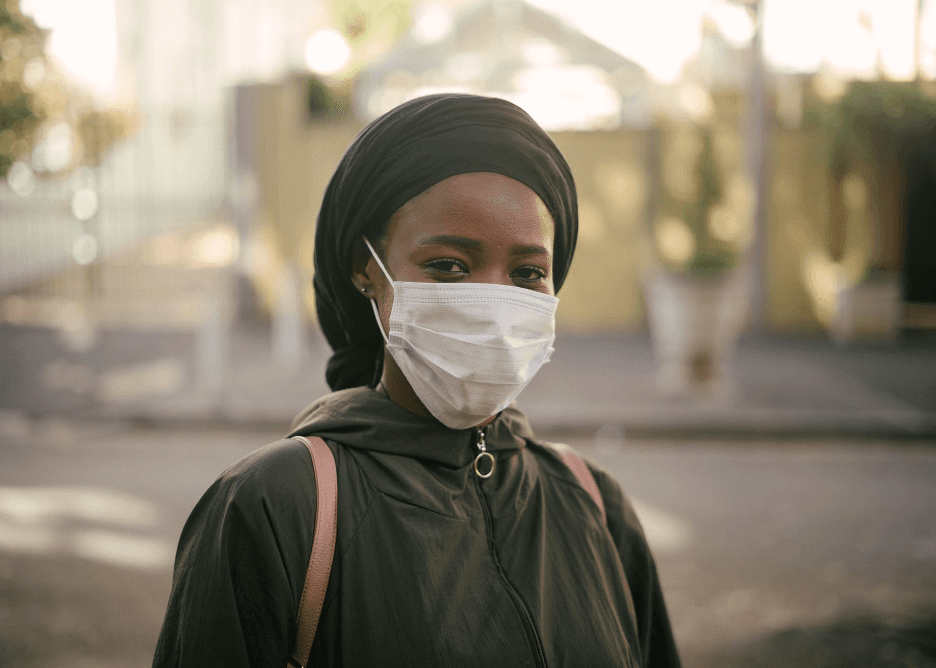
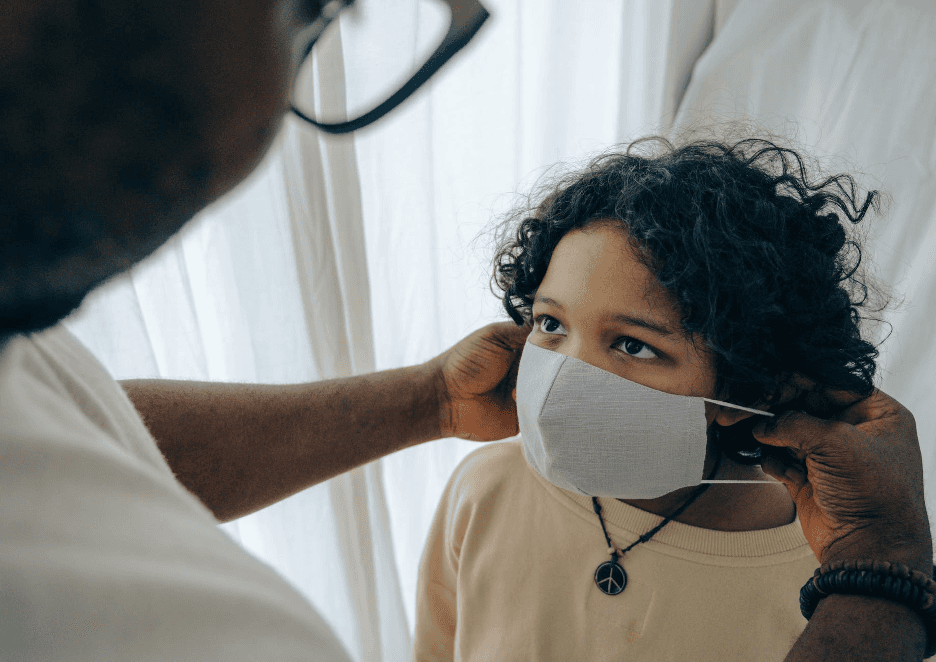
The high incidence of COVID-19 infections among ethnic minorities becomes even more puzzling if we consider that they are, in fact, more likely to wear facemasks. A study carried out in April and May by BIT found that 68. 3% of Black and 66.2% of Asian respondents support their mandatory use, compared to 58% of White British.
A challenging future ahead
Prior to the start of the pandemic, BAME people were already at a higher risk of suffering financial difficulties. According to a report by The Guardian, 12% to 18% were already struggling, whereas the global figure stood at 7%.
Coupled with the disproportionate impact of the pandemic, the surge in unemployment has painted a grim outlook for people from BAME backgrounds. A study by the Institute for Public Policy Research (IPPR) found that individuals from this group have double the possibility of not being able to pay their regular bills in the upcoming months. Even more alarming, they are more than twice as likely to have lost their jobs.
BAME people also face a higher risk of homelessness, as they are 50% less likely to own the properties they live in compared to the rest of the population. In fact, even before the start of the pandemic, BAMEs were already being disproportionately affected by this issue. From 2012 to 2017, statutory homelessness increased by 22% in the UK. However, among BAME households, it increased by 48%, compared to 9% in White British households.


COVID-19 Impact on UK BAMEs and Brand Support
COVID-19 hit UK BAME communities hardest with 34 percent ICU cases and doubled job loss risks. Brands support via inclusive campaigns donations and awareness for loyalty growth
We’re not in the same boat. Back in March, when lockdowns were being imposed across the globe, politicians and public figures preached the phrase ‘we’re in the same boat’ as an attempt to boost morale.
However, many people in the UK, especially those belonging to an ethnic minority, might not agree with it.
Despite only 14.5% of the population in England and Wales being BAME (Black, Asian and Minority Ethnic), this group accounted for 33.9% of individuals in intensive care beds in England, Wales and Northern Ireland between May and June. Such disparity can be attributed to a wide variety of factors ranging from overcrowded housing to cultural aspects.
The lockdown, together with the increased possibility of one or more members of a household falling ill, or even passing away from the virus, has put a significant financial strain on ethnic minorities. But what made them so especially vulnerable? And how can your brand help?
Long-standing disadvantages
As a result of the COVID-19 pandemic, several pre-existing inequalities in the UK became more evident. For instance, the term ‘key worker’, which became part of the mainstream overnight, especially resounded among people from BAME backgrounds; 28% of them fall into this category, compared to 23% of their White British counterparts.
Also, according to a survey conducted by Runnymede Trust (a think-tank focused on racial equality matters), of all ethnic minorities, Bangladeshi and Black African people were the most vulnerable. A total of 2,585 adults from different backgrounds in Great Britain were polled, and minority groups were found to be over-exposed, mainly because they are more likely to live in multigenerational households.
The high incidence of COVID-19 infections among ethnic minorities becomes even more puzzling if we consider that they are, in fact, more likely to wear facemasks. A study carried out in April and May by BIT found that 68. 3% of Black and 66.2% of Asian respondents support their mandatory use, compared to 58% of White British.
A challenging future ahead
Prior to the start of the pandemic, BAME people were already at a higher risk of suffering financial difficulties. According to a report by The Guardian, 12% to 18% were already struggling, whereas the global figure stood at 7%.
Coupled with the disproportionate impact of the pandemic, the surge in unemployment has painted a grim outlook for people from BAME backgrounds. A study by the Institute for Public Policy Research (IPPR) found that individuals from this group have double the possibility of not being able to pay their regular bills in the upcoming months. Even more alarming, they are more than twice as likely to have lost their jobs.
BAME people also face a higher risk of homelessness, as they are 50% less likely to own the properties they live in compared to the rest of the population. In fact, even before the start of the pandemic, BAMEs were already being disproportionately affected by this issue. From 2012 to 2017, statutory homelessness increased by 22% in the UK. However, among BAME households, it increased by 48%, compared to 9% in White British households.
COVID-19 Impact on UK BAMEs and Brand Support
COVID-19 hit UK BAME communities hardest with 34 percent ICU cases and doubled job loss risks. Brands support via inclusive campaigns donations and awareness for loyalty growth
We’re not in the same boat. Back in March, when lockdowns were being imposed across the globe, politicians and public figures preached the phrase ‘we’re in the same boat’ as an attempt to boost morale.
However, many people in the UK, especially those belonging to an ethnic minority, might not agree with it.
Despite only 14.5% of the population in England and Wales being BAME (Black, Asian and Minority Ethnic), this group accounted for 33.9% of individuals in intensive care beds in England, Wales and Northern Ireland between May and June. Such disparity can be attributed to a wide variety of factors ranging from overcrowded housing to cultural aspects.
The lockdown, together with the increased possibility of one or more members of a household falling ill, or even passing away from the virus, has put a significant financial strain on ethnic minorities. But what made them so especially vulnerable? And how can your brand help?
Long-standing disadvantages
As a result of the COVID-19 pandemic, several pre-existing inequalities in the UK became more evident. For instance, the term ‘key worker’, which became part of the mainstream overnight, especially resounded among people from BAME backgrounds; 28% of them fall into this category, compared to 23% of their White British counterparts.
Also, according to a survey conducted by Runnymede Trust (a think-tank focused on racial equality matters), of all ethnic minorities, Bangladeshi and Black African people were the most vulnerable. A total of 2,585 adults from different backgrounds in Great Britain were polled, and minority groups were found to be over-exposed, mainly because they are more likely to live in multigenerational households.
The high incidence of COVID-19 infections among ethnic minorities becomes even more puzzling if we consider that they are, in fact, more likely to wear facemasks. A study carried out in April and May by BIT found that 68. 3% of Black and 66.2% of Asian respondents support their mandatory use, compared to 58% of White British.
A challenging future ahead
Prior to the start of the pandemic, BAME people were already at a higher risk of suffering financial difficulties. According to a report by The Guardian, 12% to 18% were already struggling, whereas the global figure stood at 7%.
Coupled with the disproportionate impact of the pandemic, the surge in unemployment has painted a grim outlook for people from BAME backgrounds. A study by the Institute for Public Policy Research (IPPR) found that individuals from this group have double the possibility of not being able to pay their regular bills in the upcoming months. Even more alarming, they are more than twice as likely to have lost their jobs.
BAME people also face a higher risk of homelessness, as they are 50% less likely to own the properties they live in compared to the rest of the population. In fact, even before the start of the pandemic, BAMEs were already being disproportionately affected by this issue. From 2012 to 2017, statutory homelessness increased by 22% in the UK. However, among BAME households, it increased by 48%, compared to 9% in White British households.