Mediareach - Nowruz Marketing Guide: Engage Persian Communities UK
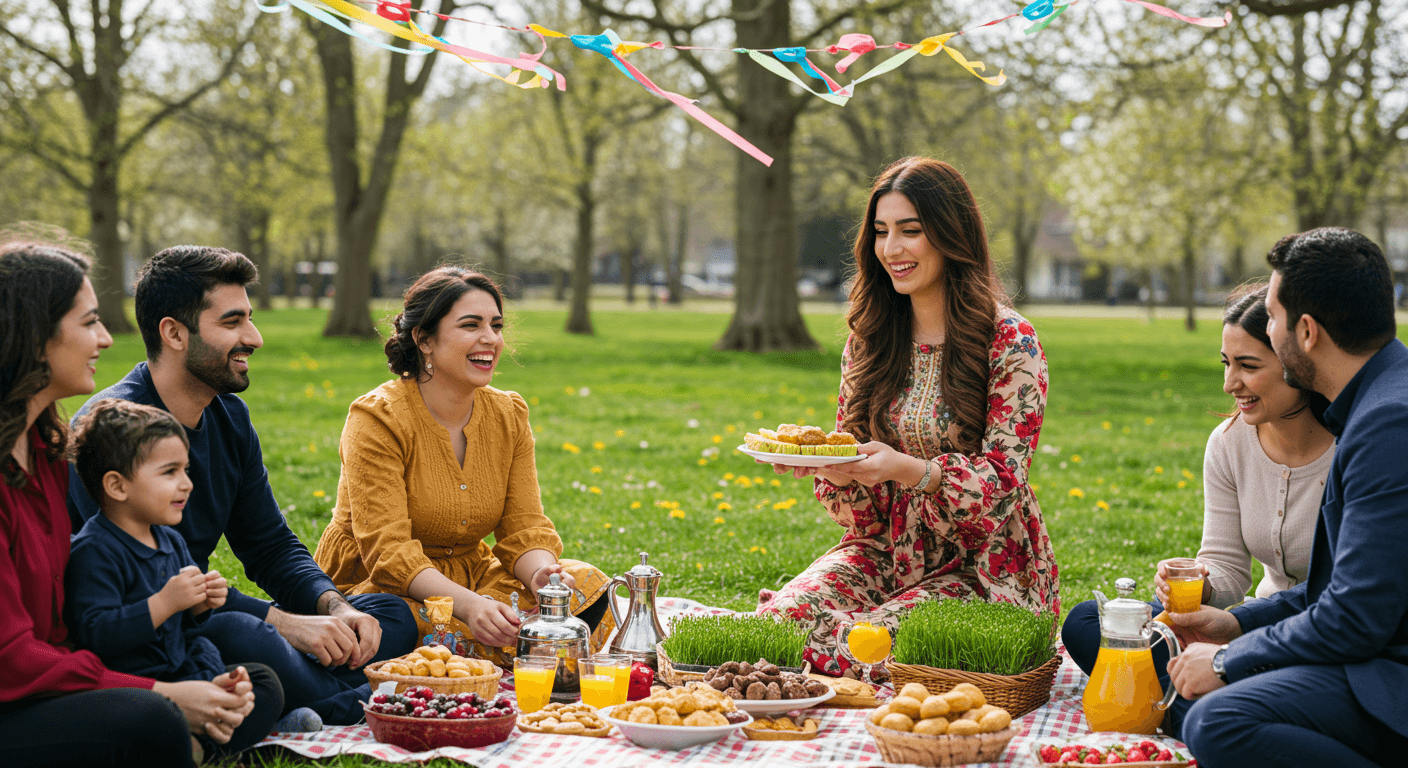
Persian families celebrating Nowruz with traditional food and Sabzi in a park for mediareach cultural campaigns

May 23, 2014

Nowruz Marketing Guide: Engage Persian Communities UK

Read about the history, traditions, and cultural significance of Nowruz, the Persian New Year festival. Join us in celebrating this important event.

Schema.org JSON-LD (article)
{ "@context": "https://schema.org", "@type": "Article", "name": "Nowruz Marketing Guide: Engage Persian Communities UK ", "description": "Celebrate Nowruz authentically. Reach 500K+ UK Persian consumers with culturally intelligent campaigns. Cultural insights, timing tips & creative strategies inside.", "url": "/insights/nowruz-persian-new-year-marketing-guide-uk", "image": "https://framerusercontent.com/images/EfgmS4fPHjRyGV7fIHNJFAZBk.jpg?width=1408&height=768", "author": { "@type": "Person", "name": "mediareach", "url": "https://mediareach.co/" }, "publisher": { "@type": "Organization", "name": "Mediareach" }, "datePublished": "2014-05-23T00:00:00.000Z" }
SEO Head

نوروزتان پیروز!

Nowruz, the Persian New Year, marks the first day of spring and the beginning of the year in the Persian calendar. And no, this year is not the year of 2014 as you might think, but 1393, as Iranians follow Solar Hijri calendar. The phrase Nowruz is a Persian compound-word and is composed of the words ‘now’ (new) and ‘ruz’ (day).

According to the UN General Assembly, Iranians and other ethnic communities who fell under Iranian influence or migrated to Persia have celebrated the spring festival for over three thousand years. This includes Azeris, Kurdish settler in Turkey, Iraqis, Syrians, Western Afghans, Tajiks, Turkmens, Uzbeks and other communities in Central Asia.

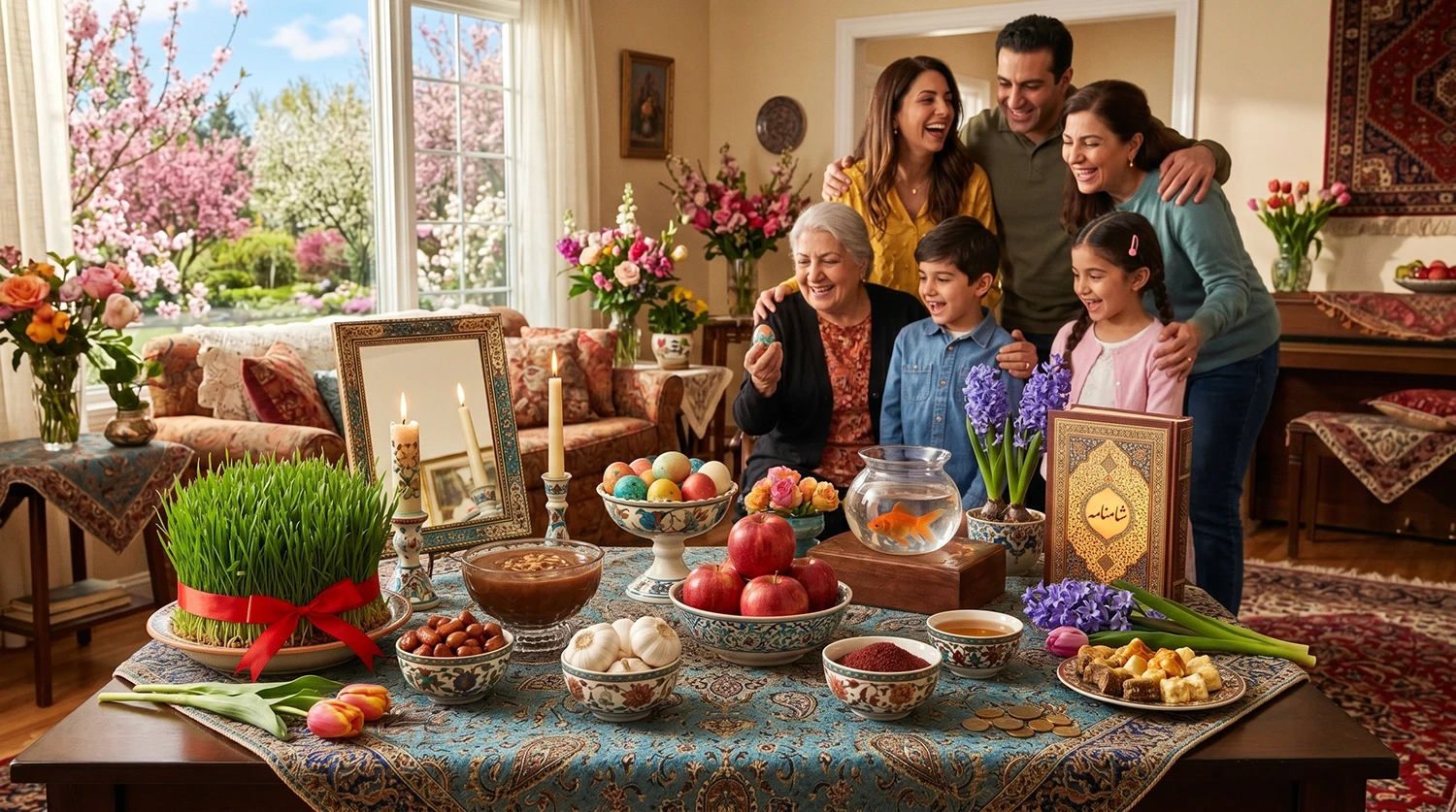
For Iranian communities worldwide Nawruz is their biggest celebration of the year. Prior to the New Year they start tidying up their homes and buy new clothes in order to start the year fresh. However, the most important part of New Year traditions is setting the “Haft Seen” (seven ‘S’s) with seven specific items. Each of these seven items symbolizes positivity, and is believed to bring good luck to  specific aspects of life. These items usually are:

  1. Sabzeh – green grass – representing rebirth

  2. Samanu – sweet wheat pudding– representing wealth

  3. Senjed – the dried fruit of the oleaster tree – representing love

  4. Sir – garlic – representing remedy

  5. Sib – apple – representing beauty and wellbeing

  6. Somagh – sumac berries – representing sunrise

  7. Serke – vinegar – representing age and endurance.
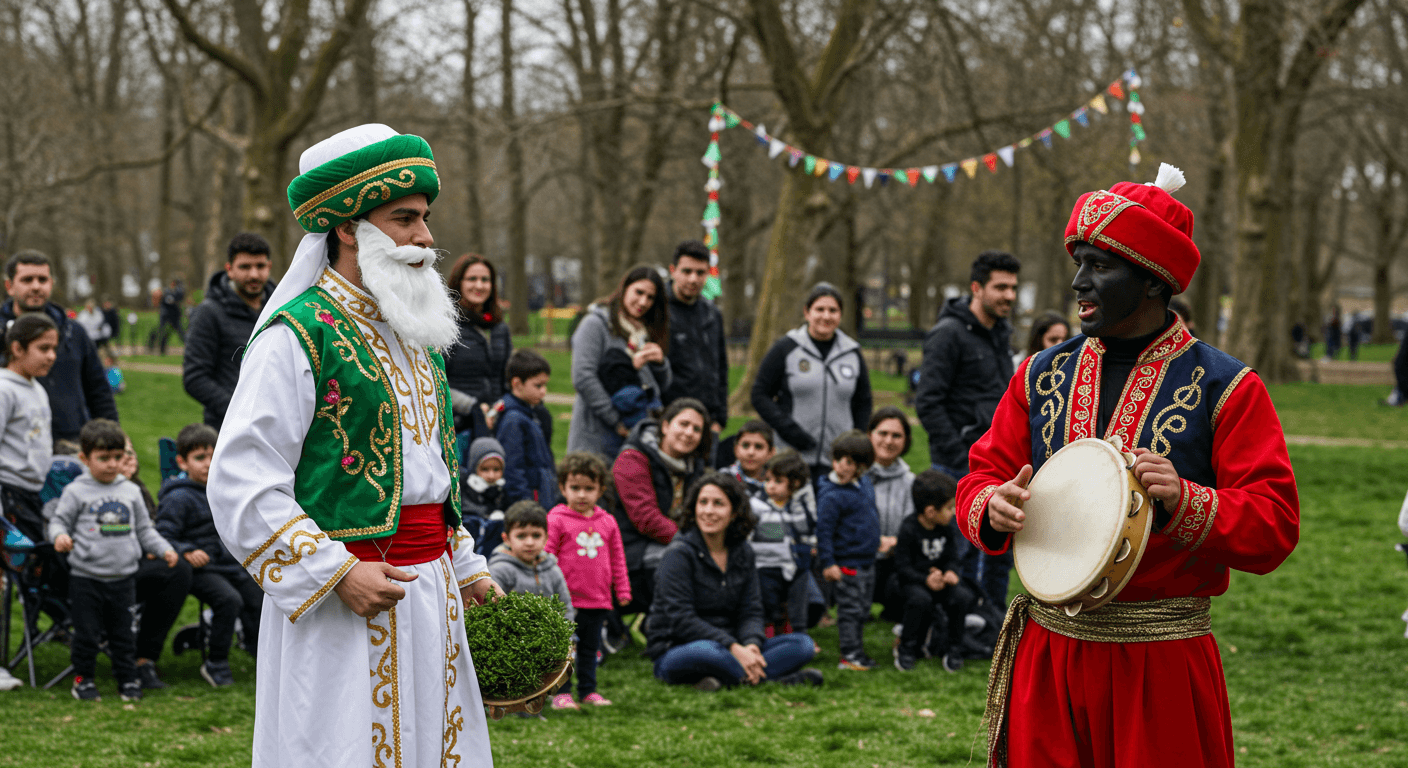

Colorful cultural celebration with musicians in costume at a Nowruz event supported by mediareach

Another important part of Nowruz is Hajji Firuz (Iranian Santa Clause), who is the traditional herald of the spring festival. He has a key role in New Year’s celebrations and is perhaps the remnant of the ancient Zoroastrian fire-keeper. Haji Firuz’s face is painted black, which in ancient Persia symbolized good luck, and wears a red outfit. Then he plays tambourines and trumpets and sings in the streets spreading joyfulness and announcing the arrival of the New Year.

As it’s estimated that over 60,000 Iranians are living in the UK, there is a good chance you’d notice the Nowruz vibe especially in the areas where the Iranian population is bigger (Ealing, Kensington, Finchley, Regent’s Park, etc.). This is the best time to meet British-Iranians as even the most restrained ex-pat becomes inspired by the sounds and tastes of home. Iranians shop, go out more during this time, and there are numerous other celebrations around the city, from pop concerts to bonfire and picnic gatherings in London parks.


If you meet an Iranian and wish to congratulate them on this occasion, here are some useful phrases to help you with that:

  • Nowruz mobarak (Happy Nowruz),

  • Eid-e shoma mobarak (Happy New Year to you),

  • Har ruzetan Nowruz, nowruzetan Piruz (Wishing you a Prosperous New Year and hoping your everyday will be a new start like Nowruz),

  • Sad Saal be in Saalha (Wishing you 100 more Happy New Years).

Wishing everyone who celebrates Nowruz a very happy new year and may the good luck be with you throughout the year!

Persian family celebrating Nowruz around Haft-Sin table for mediareach multicultural marketing campaigns

Ready to authentically celebrate Nowruz with Persian audiences?

Nowruz drives £220M+ in UK spending across food, fashion, gifting & travel. Get culturally intelligent campaign frameworks that resonate, and convert.

nowruz marketing uk

persian new year advertising

multicultural nowruz campaigns

iranian community uk marketing

nowruz brand engagement

cultural calendar marketing uk

how to market to persian audiences

nowruz campaign strategy brands

Persian families celebrating Nowruz with traditional food and Sabzi in a park for mediareach cultural campaigns

May 23, 2014

Nowruz Marketing Guide: Engage Persian Communities UK

Read about the history, traditions, and cultural significance of Nowruz, the Persian New Year festival. Join us in celebrating this important event.

Schema.org JSON-LD (article)
{ "@context": "https://schema.org", "@type": "Article", "name": "Nowruz Marketing Guide: Engage Persian Communities UK ", "description": "Celebrate Nowruz authentically. Reach 500K+ UK Persian consumers with culturally intelligent campaigns. Cultural insights, timing tips & creative strategies inside.", "url": "/insights/nowruz-persian-new-year-marketing-guide-uk", "image": "https://framerusercontent.com/images/EfgmS4fPHjRyGV7fIHNJFAZBk.jpg?width=1408&height=768", "author": { "@type": "Person", "name": "mediareach", "url": "https://mediareach.co/" }, "publisher": { "@type": "Organization", "name": "Mediareach" }, "datePublished": "2014-05-23T00:00:00.000Z" }
SEO Head

نوروزتان پیروز!

Nowruz, the Persian New Year, marks the first day of spring and the beginning of the year in the Persian calendar. And no, this year is not the year of 2014 as you might think, but 1393, as Iranians follow Solar Hijri calendar. The phrase Nowruz is a Persian compound-word and is composed of the words ‘now’ (new) and ‘ruz’ (day).

According to the UN General Assembly, Iranians and other ethnic communities who fell under Iranian influence or migrated to Persia have celebrated the spring festival for over three thousand years. This includes Azeris, Kurdish settler in Turkey, Iraqis, Syrians, Western Afghans, Tajiks, Turkmens, Uzbeks and other communities in Central Asia.

For Iranian communities worldwide Nawruz is their biggest celebration of the year. Prior to the New Year they start tidying up their homes and buy new clothes in order to start the year fresh. However, the most important part of New Year traditions is setting the “Haft Seen” (seven ‘S’s) with seven specific items. Each of these seven items symbolizes positivity, and is believed to bring good luck to  specific aspects of life. These items usually are:

  1. Sabzeh – green grass – representing rebirth

  2. Samanu – sweet wheat pudding– representing wealth

  3. Senjed – the dried fruit of the oleaster tree – representing love

  4. Sir – garlic – representing remedy

  5. Sib – apple – representing beauty and wellbeing

  6. Somagh – sumac berries – representing sunrise

  7. Serke – vinegar – representing age and endurance.

Colorful cultural celebration with musicians in costume at a Nowruz event supported by mediareach

Another important part of Nowruz is Hajji Firuz (Iranian Santa Clause), who is the traditional herald of the spring festival. He has a key role in New Year’s celebrations and is perhaps the remnant of the ancient Zoroastrian fire-keeper. Haji Firuz’s face is painted black, which in ancient Persia symbolized good luck, and wears a red outfit. Then he plays tambourines and trumpets and sings in the streets spreading joyfulness and announcing the arrival of the New Year.

As it’s estimated that over 60,000 Iranians are living in the UK, there is a good chance you’d notice the Nowruz vibe especially in the areas where the Iranian population is bigger (Ealing, Kensington, Finchley, Regent’s Park, etc.). This is the best time to meet British-Iranians as even the most restrained ex-pat becomes inspired by the sounds and tastes of home. Iranians shop, go out more during this time, and there are numerous other celebrations around the city, from pop concerts to bonfire and picnic gatherings in London parks.


If you meet an Iranian and wish to congratulate them on this occasion, here are some useful phrases to help you with that:

  • Nowruz mobarak (Happy Nowruz),

  • Eid-e shoma mobarak (Happy New Year to you),

  • Har ruzetan Nowruz, nowruzetan Piruz (Wishing you a Prosperous New Year and hoping your everyday will be a new start like Nowruz),

  • Sad Saal be in Saalha (Wishing you 100 more Happy New Years).

Wishing everyone who celebrates Nowruz a very happy new year and may the good luck be with you throughout the year!

Persian family celebrating Nowruz around Haft-Sin table for mediareach multicultural marketing campaigns

Ready to authentically celebrate Nowruz with Persian audiences?

Nowruz drives £220M+ in UK spending across food, fashion, gifting & travel. Get culturally intelligent campaign frameworks that resonate, and convert.

nowruz marketing uk

persian new year advertising

multicultural nowruz campaigns

iranian community uk marketing

nowruz brand engagement

cultural calendar marketing uk

how to market to persian audiences

nowruz campaign strategy brands
Persian families celebrating Nowruz with traditional food and Sabzi in a park for mediareach cultural campaigns

May 23, 2014

Nowruz Marketing Guide: Engage Persian Communities UK

Read about the history, traditions, and cultural significance of Nowruz, the Persian New Year festival. Join us in celebrating this important event.

Schema.org JSON-LD (article)
{ "@context": "https://schema.org", "@type": "Article", "name": "Nowruz Marketing Guide: Engage Persian Communities UK ", "description": "Celebrate Nowruz authentically. Reach 500K+ UK Persian consumers with culturally intelligent campaigns. Cultural insights, timing tips & creative strategies inside.", "url": "/insights/nowruz-persian-new-year-marketing-guide-uk", "image": "https://framerusercontent.com/images/EfgmS4fPHjRyGV7fIHNJFAZBk.jpg?width=1408&height=768", "author": { "@type": "Person", "name": "mediareach", "url": "https://mediareach.co/" }, "publisher": { "@type": "Organization", "name": "Mediareach" }, "datePublished": "2014-05-23T00:00:00.000Z" }
SEO Head

نوروزتان پیروز!

Nowruz, the Persian New Year, marks the first day of spring and the beginning of the year in the Persian calendar. And no, this year is not the year of 2014 as you might think, but 1393, as Iranians follow Solar Hijri calendar. The phrase Nowruz is a Persian compound-word and is composed of the words ‘now’ (new) and ‘ruz’ (day).

According to the UN General Assembly, Iranians and other ethnic communities who fell under Iranian influence or migrated to Persia have celebrated the spring festival for over three thousand years. This includes Azeris, Kurdish settler in Turkey, Iraqis, Syrians, Western Afghans, Tajiks, Turkmens, Uzbeks and other communities in Central Asia.

For Iranian communities worldwide Nawruz is their biggest celebration of the year. Prior to the New Year they start tidying up their homes and buy new clothes in order to start the year fresh. However, the most important part of New Year traditions is setting the “Haft Seen” (seven ‘S’s) with seven specific items. Each of these seven items symbolizes positivity, and is believed to bring good luck to  specific aspects of life. These items usually are:

  1. Sabzeh – green grass – representing rebirth

  2. Samanu – sweet wheat pudding– representing wealth

  3. Senjed – the dried fruit of the oleaster tree – representing love

  4. Sir – garlic – representing remedy

  5. Sib – apple – representing beauty and wellbeing

  6. Somagh – sumac berries – representing sunrise

  7. Serke – vinegar – representing age and endurance.


Colorful cultural celebration with musicians in costume at a Nowruz event supported by mediareach

Another important part of Nowruz is Hajji Firuz (Iranian Santa Clause), who is the traditional herald of the spring festival. He has a key role in New Year’s celebrations and is perhaps the remnant of the ancient Zoroastrian fire-keeper. Haji Firuz’s face is painted black, which in ancient Persia symbolized good luck, and wears a red outfit. Then he plays tambourines and trumpets and sings in the streets spreading joyfulness and announcing the arrival of the New Year.

As it’s estimated that over 60,000 Iranians are living in the UK, there is a good chance you’d notice the Nowruz vibe especially in the areas where the Iranian population is bigger (Ealing, Kensington, Finchley, Regent’s Park, etc.). This is the best time to meet British-Iranians as even the most restrained ex-pat becomes inspired by the sounds and tastes of home. Iranians shop, go out more during this time, and there are numerous other celebrations around the city, from pop concerts to bonfire and picnic gatherings in London parks.


If you meet an Iranian and wish to congratulate them on this occasion, here are some useful phrases to help you with that:

  • Nowruz mobarak (Happy Nowruz),

  • Eid-e shoma mobarak (Happy New Year to you),

  • Har ruzetan Nowruz, nowruzetan Piruz (Wishing you a Prosperous New Year and hoping your everyday will be a new start like Nowruz),

  • Sad Saal be in Saalha (Wishing you 100 more Happy New Years).

Wishing everyone who celebrates Nowruz a very happy new year and may the good luck be with you throughout the year!

Persian family celebrating Nowruz around Haft-Sin table for mediareach multicultural marketing campaigns

Ready to authentically celebrate Nowruz with Persian audiences?

Nowruz drives £220M+ in UK spending across food, fashion, gifting & travel. Get culturally intelligent campaign frameworks that resonate, and convert.

nowruz marketing uk

persian new year advertising

multicultural nowruz campaigns

iranian community uk marketing

nowruz brand engagement

cultural calendar marketing uk

how to market to persian audiences

nowruz campaign strategy brands