
Dec 3, 2025
Pandemic Shifted Customer Expectations Brand Adaptation
Pandemic changed customer loyalty and service demands forever. Brands adapt with personalized rewards word-of-mouth strategies and empathetic support for post-COVID growth
Thanks to Covid-19, businesses and individuals suffered alike as they struggled to adapt to a new way of living, one that seemed to have little to do with physical space and a lot to do with the digital world.
Companies that had previously focused on in-person meetings were suddenly almost entirely working online, while members of the public who would once have made their purchases on the high street, or in supermarkets, moved their patronage to the web.
It is clear that this was a sensible choice during an unprecedented global event, but it cannot be ignored that now, as we prepare to leave lockdown behind us, customer attitudes towards service have been irrevocably altered. In order to continue advancing, brands must move with these new expectations rather than against them.
This article will explore some of the ways customer expectations have changed over the last year, and how brands can adapt to their new needs.
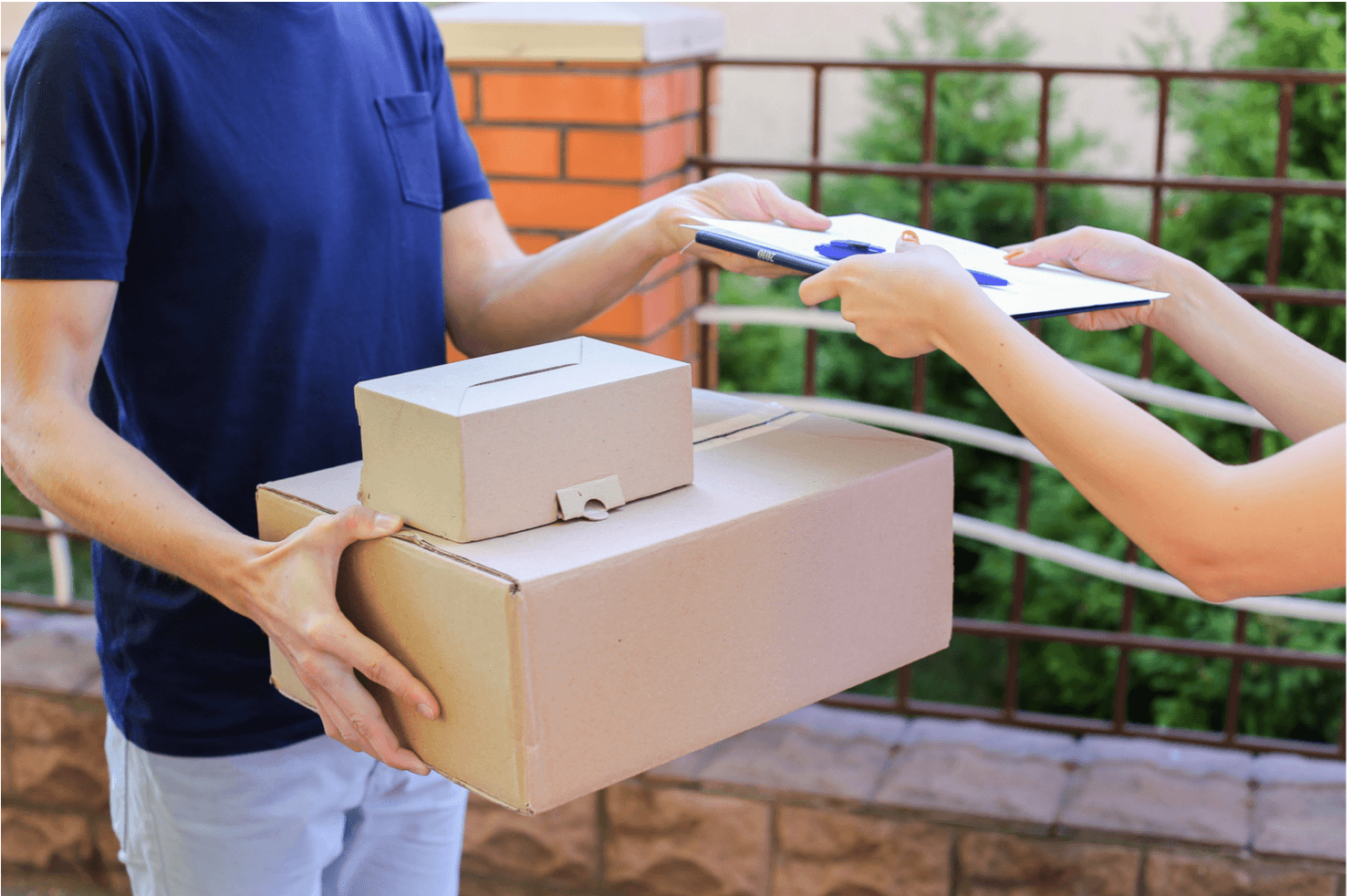
Encouraging and rewarding loyalty
Humans are creatures of habit, and this is precisely the reason loyalty is such an important aspect of business. A McKinsey report published in May last year revealed that, after only 2 months of lockdown, 78% of consumers had made changes to the stores they bought from, brands they supported or their shopping habits. This shift revealed how tenuous a customer’s dedication to brand loyalty can be.
Despite 80% of self-described loyal customers stating that they are likely to return to brands they have a connection with, it is clear that this loyalty can be challenged. Internet Retailing revealed that 55% of loyalty schemes do not give the customers what they want, while 62% of consumers agreed that retailers need to improve the way they reward their customers; companies cannot rest on their laurels and expect this loyalty to go unchallenged.
As we move forwards into a day-to-day life more familiar to the one we used to know, other pathways for customers will open up again and brands that may have enjoyed an increased loyalty during the pandemic are likely to lose their new customers. This is why it is important to not only gain loyalty, but retain it. To counter this, it is important to model loyalty schemes and reward programs on the needs and wants of the customers themselves.
An important factor of loyalty schemes is indeed their personalisation to the customer. Rewarding customers on their anniversaries or sending personalised recommendations will not only help consumers feel as if they are more than data in a spreadsheet, but is also likely to be useful and thus drive up sales. As customer satisfaction increases, so will an important factor of marketing during, and after, the pandemic; word of mouth.
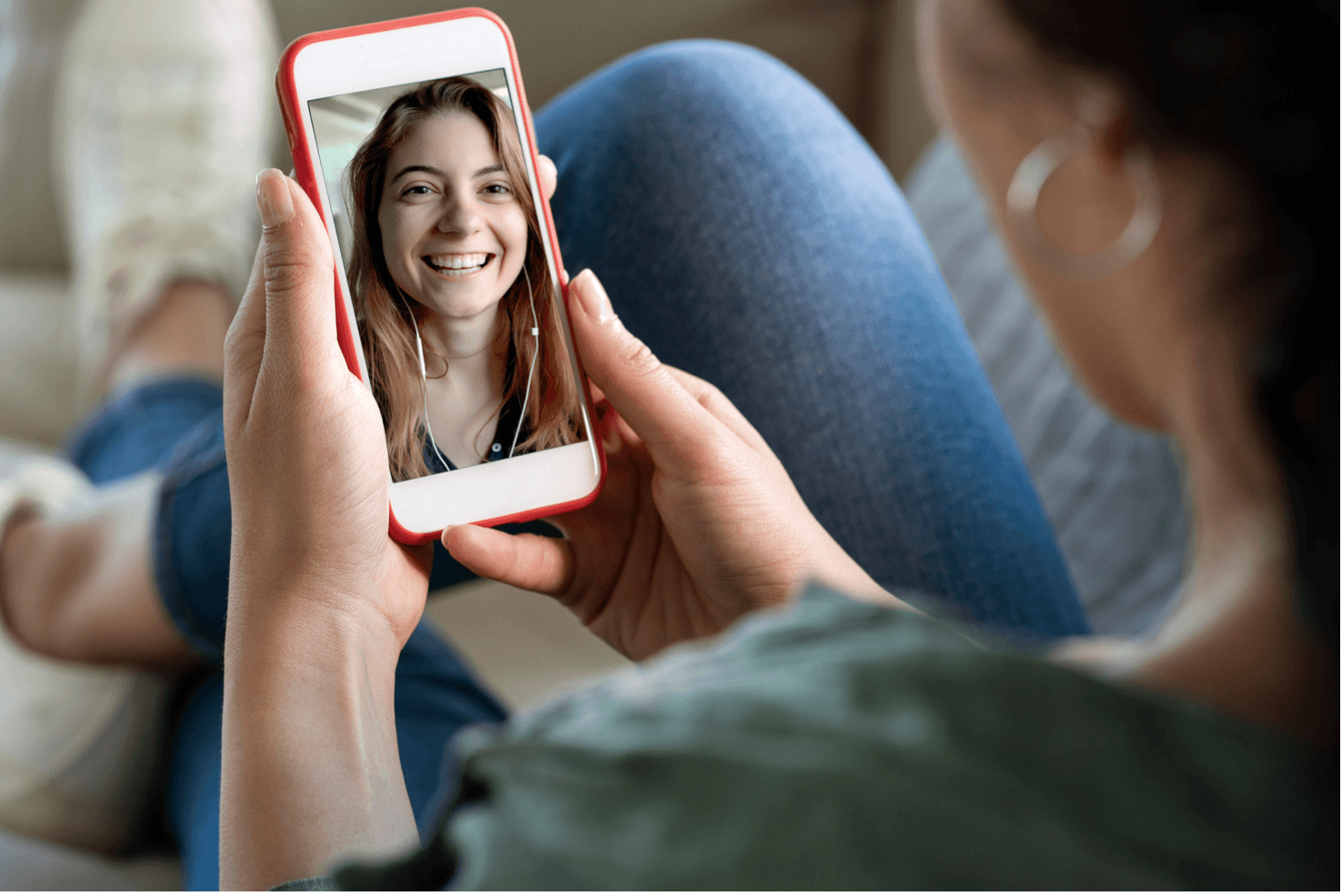
Word of mouth marketing
While perhaps counterintuitive, a report by Media Post showed that, despite lockdowns and restrictions, word of mouth marketing actually increased by 2% between April and June of 2020. While 2% may not initially seem high, it must be remembered that word of mouth recommendations account for 19% of consumer sales; a figure that reveals that ensuring a good customer experience is all but guaranteed to increase sales and revenue.
It should also be remembered that positive and negative experiences are likely to make it to Twitter or Facebook in a matter of hours, with the negative experiences unfortunately often gaining more traction. By the time a representative steps in to help, some of the damage is likely to have been done; Nielsen reports that a staggering 92% of customers are more likely to trust the opinions of friends and family over the words of a brand they do not know.
This increase of word of mouth marketing has proven that businesses will need to perfect their strategy for improving the medium, and this can be achieved in multiple ways such as using user generated content in social campaigns. It could also be something as obvious as a revamp of an old website, taking it from a clinical page to something vibrant, eye-catching and memorable that can be better communicated. However, none of this is as important as ensuring a positive customer experience.




Dec 3, 2025
Pandemic Shifted Customer Expectations Brand Adaptation
Pandemic changed customer loyalty and service demands forever. Brands adapt with personalized rewards word-of-mouth strategies and empathetic support for post-COVID growth
Thanks to Covid-19, businesses and individuals suffered alike as they struggled to adapt to a new way of living, one that seemed to have little to do with physical space and a lot to do with the digital world.
Companies that had previously focused on in-person meetings were suddenly almost entirely working online, while members of the public who would once have made their purchases on the high street, or in supermarkets, moved their patronage to the web.
It is clear that this was a sensible choice during an unprecedented global event, but it cannot be ignored that now, as we prepare to leave lockdown behind us, customer attitudes towards service have been irrevocably altered. In order to continue advancing, brands must move with these new expectations rather than against them.
This article will explore some of the ways customer expectations have changed over the last year, and how brands can adapt to their new needs.
Encouraging and rewarding loyalty
Humans are creatures of habit, and this is precisely the reason loyalty is such an important aspect of business. A McKinsey report published in May last year revealed that, after only 2 months of lockdown, 78% of consumers had made changes to the stores they bought from, brands they supported or their shopping habits. This shift revealed how tenuous a customer’s dedication to brand loyalty can be.
Despite 80% of self-described loyal customers stating that they are likely to return to brands they have a connection with, it is clear that this loyalty can be challenged. Internet Retailing revealed that 55% of loyalty schemes do not give the customers what they want, while 62% of consumers agreed that retailers need to improve the way they reward their customers; companies cannot rest on their laurels and expect this loyalty to go unchallenged.
As we move forwards into a day-to-day life more familiar to the one we used to know, other pathways for customers will open up again and brands that may have enjoyed an increased loyalty during the pandemic are likely to lose their new customers. This is why it is important to not only gain loyalty, but retain it. To counter this, it is important to model loyalty schemes and reward programs on the needs and wants of the customers themselves.
An important factor of loyalty schemes is indeed their personalisation to the customer. Rewarding customers on their anniversaries or sending personalised recommendations will not only help consumers feel as if they are more than data in a spreadsheet, but is also likely to be useful and thus drive up sales. As customer satisfaction increases, so will an important factor of marketing during, and after, the pandemic; word of mouth.
Word of mouth marketing
While perhaps counterintuitive, a report by Media Post showed that, despite lockdowns and restrictions, word of mouth marketing actually increased by 2% between April and June of 2020. While 2% may not initially seem high, it must be remembered that word of mouth recommendations account for 19% of consumer sales; a figure that reveals that ensuring a good customer experience is all but guaranteed to increase sales and revenue.
It should also be remembered that positive and negative experiences are likely to make it to Twitter or Facebook in a matter of hours, with the negative experiences unfortunately often gaining more traction. By the time a representative steps in to help, some of the damage is likely to have been done; Nielsen reports that a staggering 92% of customers are more likely to trust the opinions of friends and family over the words of a brand they do not know.
This increase of word of mouth marketing has proven that businesses will need to perfect their strategy for improving the medium, and this can be achieved in multiple ways such as using user generated content in social campaigns. It could also be something as obvious as a revamp of an old website, taking it from a clinical page to something vibrant, eye-catching and memorable that can be better communicated. However, none of this is as important as ensuring a positive customer experience.
Dec 3, 2025
Pandemic Shifted Customer Expectations Brand Adaptation
Pandemic changed customer loyalty and service demands forever. Brands adapt with personalized rewards word-of-mouth strategies and empathetic support for post-COVID growth
Thanks to Covid-19, businesses and individuals suffered alike as they struggled to adapt to a new way of living, one that seemed to have little to do with physical space and a lot to do with the digital world.
Companies that had previously focused on in-person meetings were suddenly almost entirely working online, while members of the public who would once have made their purchases on the high street, or in supermarkets, moved their patronage to the web.
It is clear that this was a sensible choice during an unprecedented global event, but it cannot be ignored that now, as we prepare to leave lockdown behind us, customer attitudes towards service have been irrevocably altered. In order to continue advancing, brands must move with these new expectations rather than against them.
This article will explore some of the ways customer expectations have changed over the last year, and how brands can adapt to their new needs.
Encouraging and rewarding loyalty
Humans are creatures of habit, and this is precisely the reason loyalty is such an important aspect of business. A McKinsey report published in May last year revealed that, after only 2 months of lockdown, 78% of consumers had made changes to the stores they bought from, brands they supported or their shopping habits. This shift revealed how tenuous a customer’s dedication to brand loyalty can be.
Despite 80% of self-described loyal customers stating that they are likely to return to brands they have a connection with, it is clear that this loyalty can be challenged. Internet Retailing revealed that 55% of loyalty schemes do not give the customers what they want, while 62% of consumers agreed that retailers need to improve the way they reward their customers; companies cannot rest on their laurels and expect this loyalty to go unchallenged.
As we move forwards into a day-to-day life more familiar to the one we used to know, other pathways for customers will open up again and brands that may have enjoyed an increased loyalty during the pandemic are likely to lose their new customers. This is why it is important to not only gain loyalty, but retain it. To counter this, it is important to model loyalty schemes and reward programs on the needs and wants of the customers themselves.
An important factor of loyalty schemes is indeed their personalisation to the customer. Rewarding customers on their anniversaries or sending personalised recommendations will not only help consumers feel as if they are more than data in a spreadsheet, but is also likely to be useful and thus drive up sales. As customer satisfaction increases, so will an important factor of marketing during, and after, the pandemic; word of mouth.
Word of mouth marketing
While perhaps counterintuitive, a report by Media Post showed that, despite lockdowns and restrictions, word of mouth marketing actually increased by 2% between April and June of 2020. While 2% may not initially seem high, it must be remembered that word of mouth recommendations account for 19% of consumer sales; a figure that reveals that ensuring a good customer experience is all but guaranteed to increase sales and revenue.
It should also be remembered that positive and negative experiences are likely to make it to Twitter or Facebook in a matter of hours, with the negative experiences unfortunately often gaining more traction. By the time a representative steps in to help, some of the damage is likely to have been done; Nielsen reports that a staggering 92% of customers are more likely to trust the opinions of friends and family over the words of a brand they do not know.
This increase of word of mouth marketing has proven that businesses will need to perfect their strategy for improving the medium, and this can be achieved in multiple ways such as using user generated content in social campaigns. It could also be something as obvious as a revamp of an old website, taking it from a clinical page to something vibrant, eye-catching and memorable that can be better communicated. However, none of this is as important as ensuring a positive customer experience.