
Feb 15, 2020
How Can UK Brands Better Represent BAME Cultures in Advertising?
Over half of BAME Brits feel poorly represented in ads. It's not about adding more faces, it's about getting the culture, context and casting right.
⏱ 4 min read
By mediareach
UK brands want to be more inclusive than ever. But good intentions don't always translate. When representation feels off, it does more harm than good, audiences feel alienated, not included.
Research consistently shows more than half of BAME people in the UK think their culture is poorly represented in advertising. So where are brands going wrong, and how can we fix it?
Why Poor Representation Hurts
It's not just a feeling. A Lloyds Banking Group study in 2018 found 34% of Black Brits felt people of their ethnicity were inaccurately depicted in ads, with 29% saying the portrayal was negative. For Asian audiences, 30% felt inaccurately represented. Among white respondents, that figure was only 9%.
Part of the problem is visibility. Only 7% of adverts feature BAME groups as the dominant or lead characters, while around 60% feature only or majority white casts. With less screen time, there's less chance for nuance, variety, or authentic stories.
The One-Size-Fits-All Trap
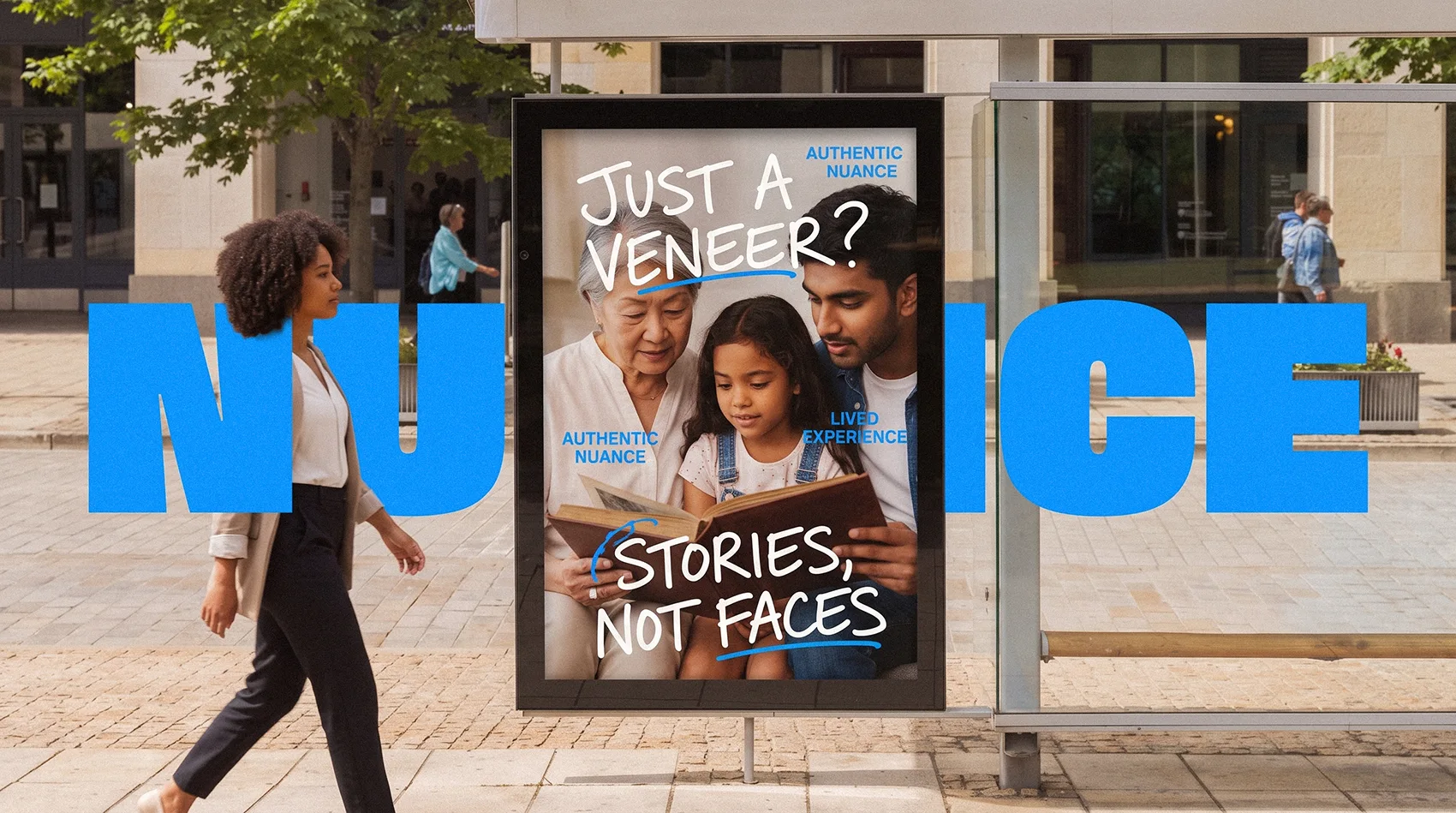
One of the biggest mistakes is treating BAME as a single audience. The Lloyds research highlighted a pattern: when BAME groups were included, they were often shown with very little cultural difference, immersed fully in Western culture, for example, sitting together for Christmas dinner, with little attention to their own heritage, festivals, or values.
Simple cultural misses alienate audiences fast. If an audience senses you haven't done your homework on their background, language, family dynamics or cultural codes, the attempt to reach them backfires.
"We want to bring a smile to people, especially Black people when they see a campaign that doesn't feature a token Black person but is truly representative of us."
Ade Hassan MBE, Founder of Nubian Skin – TfL Diversity in Advertising Winner
3 Shifts to Move from Tokenism to Authenticity
1. Put Culture at the Centre, Not the Background
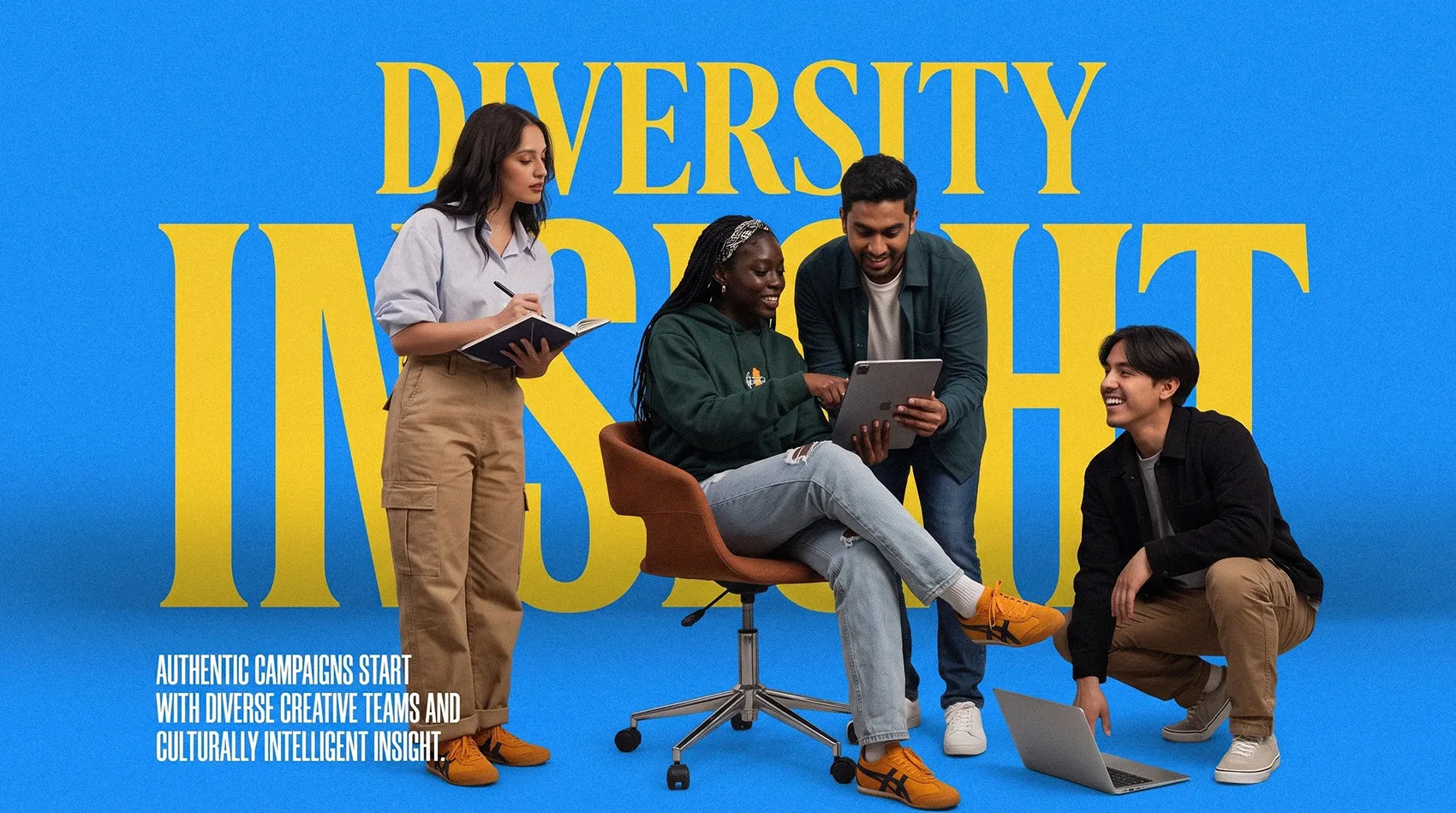
Go beyond casting. Ask: is this story rooted in real cultural insight? Who wrote it? Does the family structure, language, humour, or celebration feel true? Include BAME talent in the creation, not just the final edit.
2. Fix the Room Where Decisions Happen
Representation behind the camera matters. While ethnic diversity in agencies is at an all-time high, a recent industry report found 97% of chair-level roles like CEO and MD are held by white people, with only 1.9% from a BAME background. If decision-makers lack lived experience, blind spots are inevitable. Audit who is briefing, approving, and checking cultural nuance.
3. Prioritise Quality Over Quantity
A well-done campaign doesn't just include BAME people — it focuses on the quality of their portrayal. Make them the hero, not the sidekick. Avoid stereotypes, avoid lumping diverse cultures together, and ensure inclusion feels intentional and respectful.

The Takeaway: Authenticity Wins
BAME audiences aren't asking for perfection, they're asking for effort, respect, and truth. Brands that invest in understanding specific cultural heritages, hire and listen to diverse talent, and commit to real business change (not just a diverse ad) build trust that lasts. The standard is no longer just being present. It's being authentic.
Ready for Truly Inclusive Campaigns?
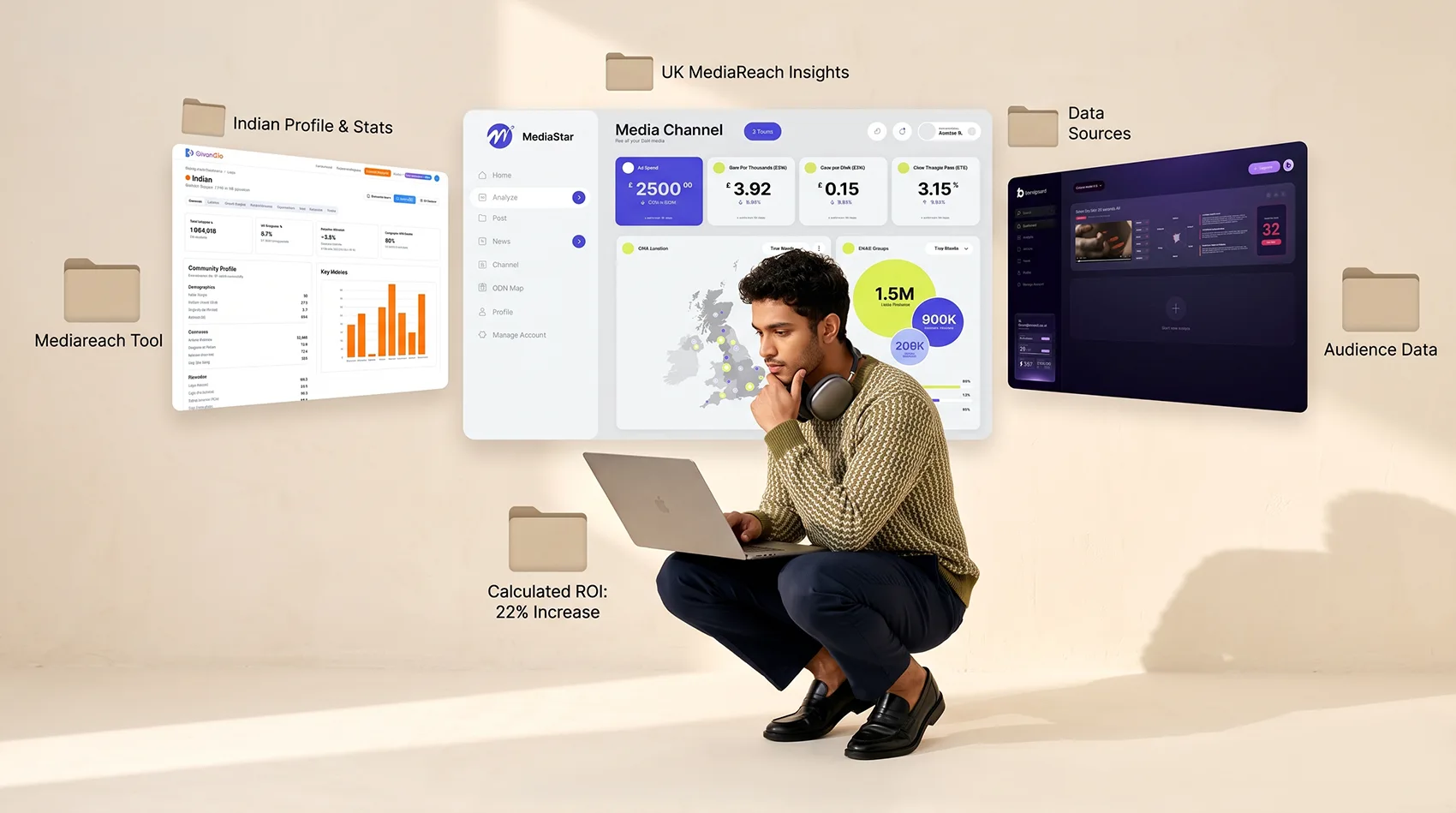
Mediareach has spent 40+ years helping brands connect with diverse UK communities through culturally intelligent strategy, not tokenism. Let's create work that resonates.
Sources & References
Lloyds Banking Group, "Ethnicity in Advertising" Report, 2018. lloydsbankinggroup.com
Transport for London, "Diversity in Advertising Award" – TfL Made By Campaigns, 2020. madeby.tfl.gov.uk
The Drum, "TfL challenges brands to portray London's BAME communities authentically," 2019-2020. thedrum.com
Channel 4, "Diversity in Advertising Award," Marketing Week Coverage. marketingweek.com
BAME representation advertising
diversity in advertising UK
inclusive advertising UK
multicultural marketing UK
authentic BAME representation
BAME cultures advertising
diversity advertising awards
Nubian Skin campaign
Channel 4 diversity award
UK brands diversity strategy
ethnic diversity advertising
cultural insight advertising
The UK's pioneering multicultural marketing and advertising agency. Over 40 years connecting brands with diverse communities through cultural insight, creative excellence, and intelligent media strategy.

Feb 15, 2020
How Can UK Brands Better Represent BAME Cultures in Advertising?
Over half of BAME Brits feel poorly represented in ads. It's not about adding more faces, it's about getting the culture, context and casting right.
⏱ 4 min read
By mediareach
UK brands want to be more inclusive than ever. But good intentions don't always translate. When representation feels off, it does more harm than good, audiences feel alienated, not included.
Research consistently shows more than half of BAME people in the UK think their culture is poorly represented in advertising. So where are brands going wrong, and how can we fix it?
Why Poor Representation Hurts
It's not just a feeling. A Lloyds Banking Group study in 2018 found 34% of Black Brits felt people of their ethnicity were inaccurately depicted in ads, with 29% saying the portrayal was negative. For Asian audiences, 30% felt inaccurately represented. Among white respondents, that figure was only 9%.
Part of the problem is visibility. Only 7% of adverts feature BAME groups as the dominant or lead characters, while around 60% feature only or majority white casts. With less screen time, there's less chance for nuance, variety, or authentic stories.
The One-Size-Fits-All Trap
One of the biggest mistakes is treating BAME as a single audience. The Lloyds research highlighted a pattern: when BAME groups were included, they were often shown with very little cultural difference, immersed fully in Western culture, for example, sitting together for Christmas dinner, with little attention to their own heritage, festivals, or values.
Simple cultural misses alienate audiences fast. If an audience senses you haven't done your homework on their background, language, family dynamics or cultural codes, the attempt to reach them backfires.
"We want to bring a smile to people, especially Black people when they see a campaign that doesn't feature a token Black person but is truly representative of us."
Ade Hassan MBE, Founder of Nubian Skin – TfL Diversity in Advertising Winner
3 Shifts to Move from Tokenism to Authenticity
1. Put Culture at the Centre, Not the Background
Go beyond casting. Ask: is this story rooted in real cultural insight? Who wrote it? Does the family structure, language, humour, or celebration feel true? Include BAME talent in the creation, not just the final edit.
2. Fix the Room Where Decisions Happen
Representation behind the camera matters. While ethnic diversity in agencies is at an all-time high, a recent industry report found 97% of chair-level roles like CEO and MD are held by white people, with only 1.9% from a BAME background. If decision-makers lack lived experience, blind spots are inevitable. Audit who is briefing, approving, and checking cultural nuance.
3. Prioritise Quality Over Quantity
A well-done campaign doesn't just include BAME people — it focuses on the quality of their portrayal. Make them the hero, not the sidekick. Avoid stereotypes, avoid lumping diverse cultures together, and ensure inclusion feels intentional and respectful.
The Takeaway: Authenticity Wins
BAME audiences aren't asking for perfection, they're asking for effort, respect, and truth. Brands that invest in understanding specific cultural heritages, hire and listen to diverse talent, and commit to real business change (not just a diverse ad) build trust that lasts. The standard is no longer just being present. It's being authentic.
Ready for Truly Inclusive Campaigns?
Mediareach has spent 40+ years helping brands connect with diverse UK communities through culturally intelligent strategy, not tokenism. Let's create work that resonates.
Sources & References
Lloyds Banking Group, "Ethnicity in Advertising" Report, 2018. lloydsbankinggroup.com
Transport for London, "Diversity in Advertising Award" – TfL Made By Campaigns, 2020. madeby.tfl.gov.uk
The Drum, "TfL challenges brands to portray London's BAME communities authentically," 2019-2020. thedrum.com
Channel 4, "Diversity in Advertising Award," Marketing Week Coverage. marketingweek.com
BAME representation advertising
diversity in advertising UK
inclusive advertising UK
multicultural marketing UK
authentic BAME representation
BAME cultures advertising
diversity advertising awards
Nubian Skin campaign
Channel 4 diversity award
UK brands diversity strategy
ethnic diversity advertising
cultural insight advertising
The UK's pioneering multicultural marketing and advertising agency. Over 40 years connecting brands with diverse communities through cultural insight, creative excellence, and intelligent media strategy.
Feb 15, 2020
How Can UK Brands Better Represent BAME Cultures in Advertising?
Over half of BAME Brits feel poorly represented in ads. It's not about adding more faces, it's about getting the culture, context and casting right.
⏱ 4 min read
By mediareach
UK brands want to be more inclusive than ever. But good intentions don't always translate. When representation feels off, it does more harm than good, audiences feel alienated, not included.
Research consistently shows more than half of BAME people in the UK think their culture is poorly represented in advertising. So where are brands going wrong, and how can we fix it?
Why Poor Representation Hurts
It's not just a feeling. A Lloyds Banking Group study in 2018 found 34% of Black Brits felt people of their ethnicity were inaccurately depicted in ads, with 29% saying the portrayal was negative. For Asian audiences, 30% felt inaccurately represented. Among white respondents, that figure was only 9%.
Part of the problem is visibility. Only 7% of adverts feature BAME groups as the dominant or lead characters, while around 60% feature only or majority white casts. With less screen time, there's less chance for nuance, variety, or authentic stories.
The One-Size-Fits-All Trap
One of the biggest mistakes is treating BAME as a single audience. The Lloyds research highlighted a pattern: when BAME groups were included, they were often shown with very little cultural difference, immersed fully in Western culture, for example, sitting together for Christmas dinner, with little attention to their own heritage, festivals, or values.
Simple cultural misses alienate audiences fast. If an audience senses you haven't done your homework on their background, language, family dynamics or cultural codes, the attempt to reach them backfires.
"We want to bring a smile to people, especially Black people when they see a campaign that doesn't feature a token Black person but is truly representative of us."
Ade Hassan MBE, Founder of Nubian Skin – TfL Diversity in Advertising Winner
3 Shifts to Move from Tokenism to Authenticity
1. Put Culture at the Centre, Not the Background
Go beyond casting. Ask: is this story rooted in real cultural insight? Who wrote it? Does the family structure, language, humour, or celebration feel true? Include BAME talent in the creation, not just the final edit.
2. Fix the Room Where Decisions Happen
Representation behind the camera matters. While ethnic diversity in agencies is at an all-time high, a recent industry report found 97% of chair-level roles like CEO and MD are held by white people, with only 1.9% from a BAME background. If decision-makers lack lived experience, blind spots are inevitable. Audit who is briefing, approving, and checking cultural nuance.
3. Prioritise Quality Over Quantity
A well-done campaign doesn't just include BAME people — it focuses on the quality of their portrayal. Make them the hero, not the sidekick. Avoid stereotypes, avoid lumping diverse cultures together, and ensure inclusion feels intentional and respectful.
The Takeaway: Authenticity Wins
BAME audiences aren't asking for perfection, they're asking for effort, respect, and truth. Brands that invest in understanding specific cultural heritages, hire and listen to diverse talent, and commit to real business change (not just a diverse ad) build trust that lasts. The standard is no longer just being present. It's being authentic.
Ready for Truly Inclusive Campaigns?
Mediareach has spent 40+ years helping brands connect with diverse UK communities through culturally intelligent strategy, not tokenism. Let's create work that resonates.
Sources & References
Lloyds Banking Group, "Ethnicity in Advertising" Report, 2018. lloydsbankinggroup.com
Transport for London, "Diversity in Advertising Award" – TfL Made By Campaigns, 2020. madeby.tfl.gov.uk
The Drum, "TfL challenges brands to portray London's BAME communities authentically," 2019-2020. thedrum.com
Channel 4, "Diversity in Advertising Award," Marketing Week Coverage. marketingweek.com
BAME representation advertising
diversity in advertising UK
inclusive advertising UK
multicultural marketing UK
authentic BAME representation
BAME cultures advertising
diversity advertising awards
Nubian Skin campaign
Channel 4 diversity award
UK brands diversity strategy
ethnic diversity advertising
cultural insight advertising
The UK's pioneering multicultural marketing and advertising agency. Over 40 years connecting brands with diverse communities through cultural insight, creative excellence, and intelligent media strategy.