Apr 15, 2026
Gen Z and Multicultural Britain: Why the Most Diverse Generation in UK History Will Punish Brands That Fake It
A generation where over 25% identify as ethnic minority, where mixed heritage is the fastest-growing identity, and where cultural fluency is not optional—it is the baseline expectation.
⏱ 8 min read
By Mediareach
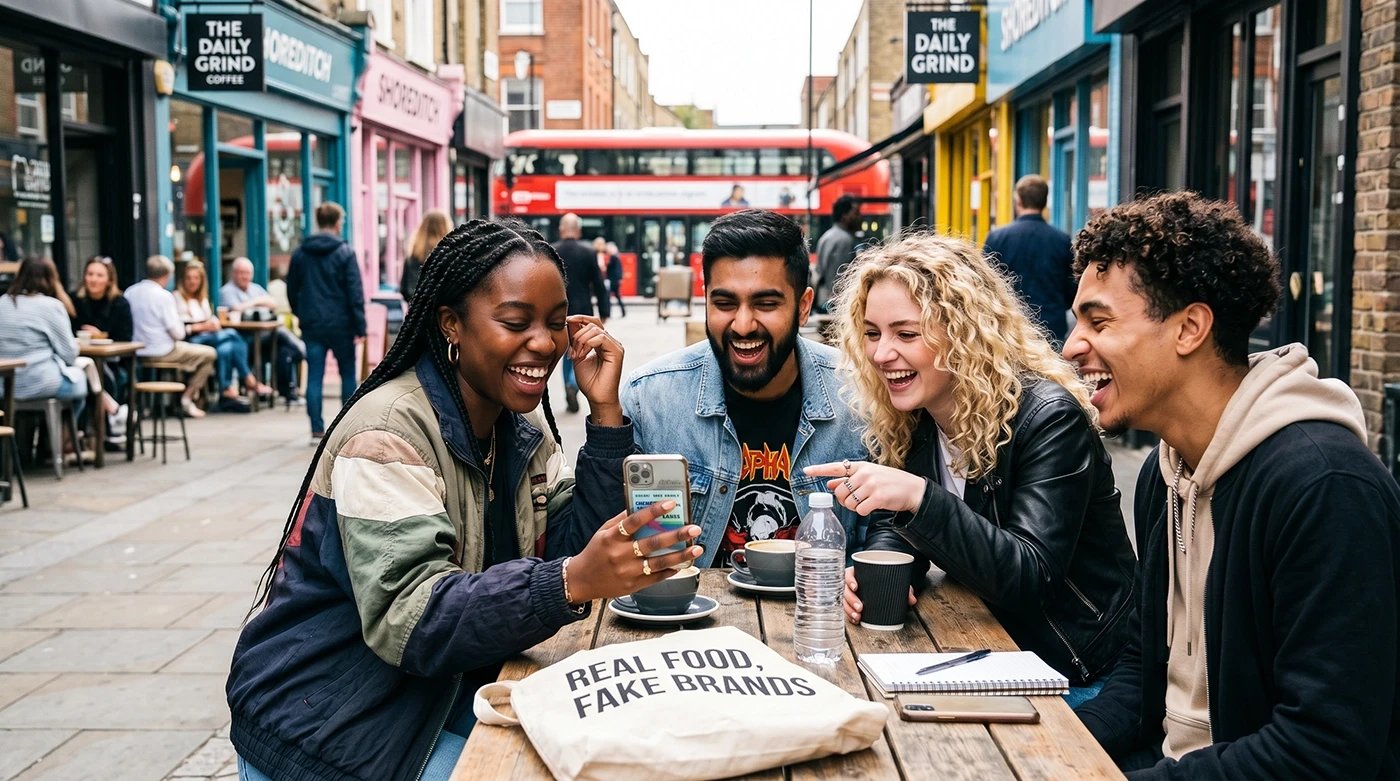
Every generation believes it is more progressive than the last. But Gen Z's relationship with cultural diversity is fundamentally different from any previous generation—not because they hold different values (though many do), but because they have a different lived experience. This is the first generation in UK history where being surrounded by cultural diversity is not unusual; it is simply normal.
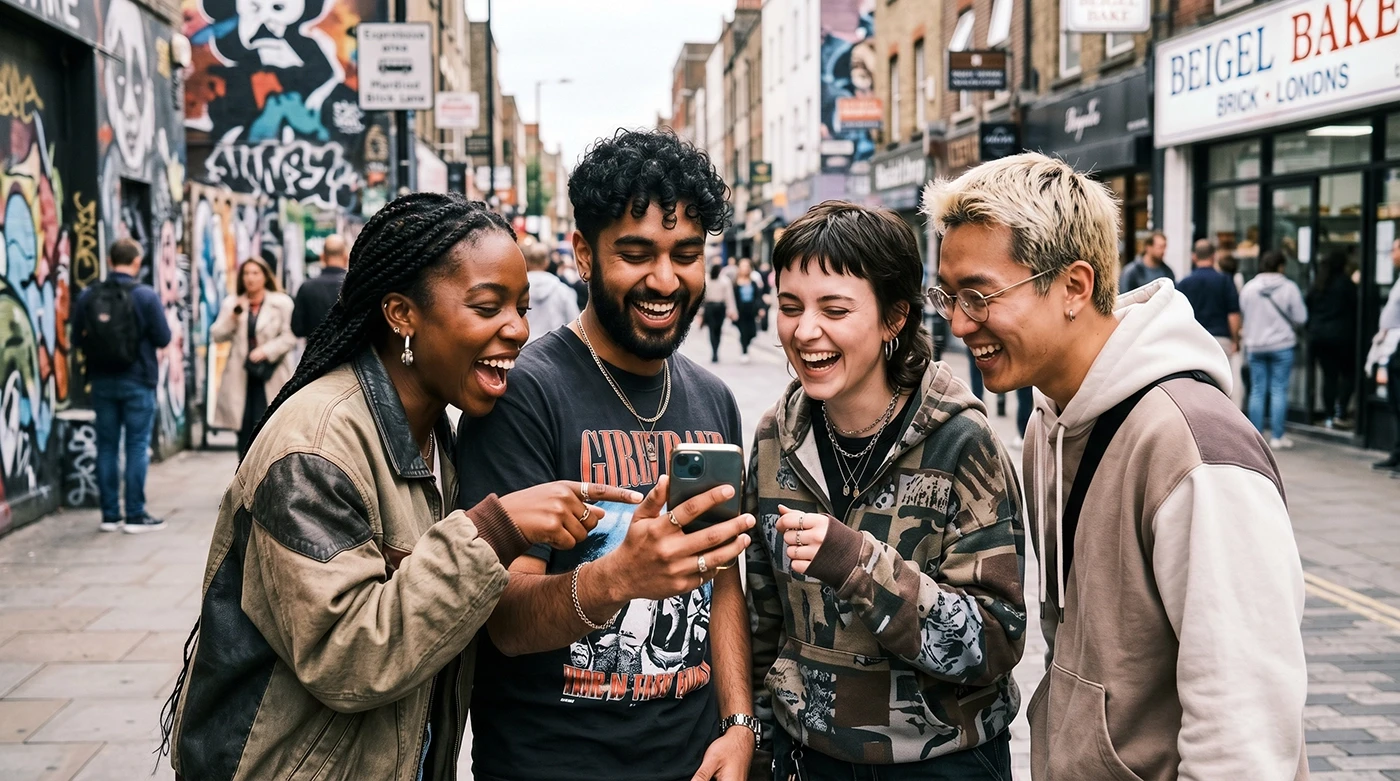
In multicultural urban areas, Gen Z grew up in classrooms where five or six different ethnicities sat side by side. Their friend groups cross cultural boundaries that previous generations rarely traversed. Their digital lives—TikTok, Instagram, YouTube—expose them to a constant stream of multicultural content, creators, and cultural references. They code-switch between cultural contexts with a fluency that older marketers often struggle to understand.
For brands, this has profound implications. Gen Z does not need to be persuaded that diversity matters. They need to be persuaded that your brand genuinely understands the cultures you are claiming to represent. And they are ruthlessly effective at identifying and punishing brands that fake it.
The Most Diverse Generation
The numbers are striking. Over 25% of children and young people in England and Wales identify as ethnic minority—significantly higher than the overall population figure of 18.3%. In London, the proportion is even higher, with many schools where White British students are in the minority. Mixed heritage, already the fastest-growing ethnic category nationally, is even more prevalent among younger age groups.
This means that for Gen Z, cultural diversity is not an abstract concept encountered through marketing campaigns. It is the fabric of their daily social experience. They have friends who fast during Ramadan. They have been to Diwali celebrations. They have eaten food from a dozen different cultures. They follow creators from every ethnic background. Cultural cross-pollination is their default state.
What Gen Z Expects from Brands
Authenticity Over Representation
Older approaches to diversity marketing focused on representation: showing diverse faces in advertising. For Gen Z, this is table stakes—the bare minimum. What they look for is authenticity: does this brand actually understand the culture it is referencing? Is this campaign created by people with genuine cultural knowledge, or is it a surface-level interpretation? The difference is immediately apparent to a generation raised in multicultural environments.
Year-Round Commitment, Not Calendar Moments
Gen Z is particularly cynical about brands that appear during cultural moments and vanish afterwards. A brand that posts about Black History Month in October but has zero Black representation in its leadership, creative team, or year-round marketing is performing diversity, not practising it. This generation tracks consistency across the full year.
Social Media as the Accountability Platform
When brands get multicultural marketing wrong with Gen Z audiences, the consequences are immediate and public. A culturally insensitive campaign can generate millions of critical impressions within hours. Brand callout culture on TikTok and Twitter/X is particularly merciless with brands perceived as culturally appropriative or tokenistic. For brands, this makes cultural intelligence not just a commercial advantage but a risk mitigation necessity.
Reaching Gen Z Across Cultures
Mediareach's expertise spans the full spectrum of multicultural Gen Z engagement—from understanding the cultural dynamics of mixed heritage identity to navigating the platform-specific content expectations of young consumers from different ethnic backgrounds. Our AI Content and Creator Innovation service enables brands to produce culturally authentic content at the scale and speed that Gen Z's digital-first consumption demands, while our cultural intelligence ensures that every output is genuine rather than performative.
Win the Most Diverse Generation in History
Gen Z will define consumer markets for the next three decades. Their expectations around cultural authenticity are non-negotiable. Mediareach helps brands build the cultural intelligence needed to earn Gen Z loyalty across every community.
Sources & References
Office for National Statistics (ONS), "Ethnic Group, England and Wales: Census 2021," November 2022. ons.gov.uk
The World Data, "British Population by Race 2025: Statistics & Facts," October 2025. theworlddata.com
Mintel, "UK Diversity, Equity and Inclusion Report 2025: 76% of Gen Z Ready to Call Out Discrimination," December 2025. mintel.com
House of Commons Library, "Ethnic Diversity in Politics and Public Life," Research Briefing SN01156, March 2026. commonslibrary.parliament.uk
Diversity UK, "Census 2021 Data Reveals Ethnic Make Up of UK Population," September 2024. diversityuk.org
Mediareach, "Services: AI Content & Creator Innovation," 2025. mediareach.co
Gen Z multicultural marketing
Gen Z diversity UK
multicultural youth marketing
diverse Gen Z consumers
young multicultural audience UK
Gen Z brand authenticity
multicultural digital natives
Gen Z ethnic diversity
youth cultural marketing
Generation Z diverse consumers
young diverse audience marketing UK
Gen Z inclusive brands
multicultural social media marketing
The UK's pioneering multicultural marketing and advertising agency. Over 40 years connecting brands with diverse communities through cultural insight, creative excellence, and intelligent media strategy. mediareach.co

Apr 15, 2026
Gen Z and Multicultural Britain: Why the Most Diverse Generation in UK History Will Punish Brands That Fake It
A generation where over 25% identify as ethnic minority, where mixed heritage is the fastest-growing identity, and where cultural fluency is not optional—it is the baseline expectation.
⏱ 8 min read
By Mediareach
Every generation believes it is more progressive than the last. But Gen Z's relationship with cultural diversity is fundamentally different from any previous generation—not because they hold different values (though many do), but because they have a different lived experience. This is the first generation in UK history where being surrounded by cultural diversity is not unusual; it is simply normal.
In multicultural urban areas, Gen Z grew up in classrooms where five or six different ethnicities sat side by side. Their friend groups cross cultural boundaries that previous generations rarely traversed. Their digital lives—TikTok, Instagram, YouTube—expose them to a constant stream of multicultural content, creators, and cultural references. They code-switch between cultural contexts with a fluency that older marketers often struggle to understand.
For brands, this has profound implications. Gen Z does not need to be persuaded that diversity matters. They need to be persuaded that your brand genuinely understands the cultures you are claiming to represent. And they are ruthlessly effective at identifying and punishing brands that fake it.
The Most Diverse Generation
The numbers are striking. Over 25% of children and young people in England and Wales identify as ethnic minority—significantly higher than the overall population figure of 18.3%. In London, the proportion is even higher, with many schools where White British students are in the minority. Mixed heritage, already the fastest-growing ethnic category nationally, is even more prevalent among younger age groups.
This means that for Gen Z, cultural diversity is not an abstract concept encountered through marketing campaigns. It is the fabric of their daily social experience. They have friends who fast during Ramadan. They have been to Diwali celebrations. They have eaten food from a dozen different cultures. They follow creators from every ethnic background. Cultural cross-pollination is their default state.
What Gen Z Expects from Brands
Authenticity Over Representation
Older approaches to diversity marketing focused on representation: showing diverse faces in advertising. For Gen Z, this is table stakes—the bare minimum. What they look for is authenticity: does this brand actually understand the culture it is referencing? Is this campaign created by people with genuine cultural knowledge, or is it a surface-level interpretation? The difference is immediately apparent to a generation raised in multicultural environments.
Year-Round Commitment, Not Calendar Moments
Gen Z is particularly cynical about brands that appear during cultural moments and vanish afterwards. A brand that posts about Black History Month in October but has zero Black representation in its leadership, creative team, or year-round marketing is performing diversity, not practising it. This generation tracks consistency across the full year.
Social Media as the Accountability Platform
When brands get multicultural marketing wrong with Gen Z audiences, the consequences are immediate and public. A culturally insensitive campaign can generate millions of critical impressions within hours. Brand callout culture on TikTok and Twitter/X is particularly merciless with brands perceived as culturally appropriative or tokenistic. For brands, this makes cultural intelligence not just a commercial advantage but a risk mitigation necessity.
Reaching Gen Z Across Cultures
Mediareach's expertise spans the full spectrum of multicultural Gen Z engagement—from understanding the cultural dynamics of mixed heritage identity to navigating the platform-specific content expectations of young consumers from different ethnic backgrounds. Our AI Content and Creator Innovation service enables brands to produce culturally authentic content at the scale and speed that Gen Z's digital-first consumption demands, while our cultural intelligence ensures that every output is genuine rather than performative.
Win the Most Diverse Generation in History
Gen Z will define consumer markets for the next three decades. Their expectations around cultural authenticity are non-negotiable. Mediareach helps brands build the cultural intelligence needed to earn Gen Z loyalty across every community.
Sources & References
Office for National Statistics (ONS), "Ethnic Group, England and Wales: Census 2021," November 2022. ons.gov.uk
The World Data, "British Population by Race 2025: Statistics & Facts," October 2025. theworlddata.com
Mintel, "UK Diversity, Equity and Inclusion Report 2025: 76% of Gen Z Ready to Call Out Discrimination," December 2025. mintel.com
House of Commons Library, "Ethnic Diversity in Politics and Public Life," Research Briefing SN01156, March 2026. commonslibrary.parliament.uk
Diversity UK, "Census 2021 Data Reveals Ethnic Make Up of UK Population," September 2024. diversityuk.org
Mediareach, "Services: AI Content & Creator Innovation," 2025. mediareach.co
Gen Z multicultural marketing
Gen Z diversity UK
multicultural youth marketing
diverse Gen Z consumers
young multicultural audience UK
Gen Z brand authenticity
multicultural digital natives
Gen Z ethnic diversity
youth cultural marketing
Generation Z diverse consumers
young diverse audience marketing UK
Gen Z inclusive brands
multicultural social media marketing
The UK's pioneering multicultural marketing and advertising agency. Over 40 years connecting brands with diverse communities through cultural insight, creative excellence, and intelligent media strategy. mediareach.co
Apr 15, 2026
Gen Z and Multicultural Britain: Why the Most Diverse Generation in UK History Will Punish Brands That Fake It
A generation where over 25% identify as ethnic minority, where mixed heritage is the fastest-growing identity, and where cultural fluency is not optional—it is the baseline expectation.
⏱ 8 min read
By Mediareach
Every generation believes it is more progressive than the last. But Gen Z's relationship with cultural diversity is fundamentally different from any previous generation—not because they hold different values (though many do), but because they have a different lived experience. This is the first generation in UK history where being surrounded by cultural diversity is not unusual; it is simply normal.
In multicultural urban areas, Gen Z grew up in classrooms where five or six different ethnicities sat side by side. Their friend groups cross cultural boundaries that previous generations rarely traversed. Their digital lives—TikTok, Instagram, YouTube—expose them to a constant stream of multicultural content, creators, and cultural references. They code-switch between cultural contexts with a fluency that older marketers often struggle to understand.
For brands, this has profound implications. Gen Z does not need to be persuaded that diversity matters. They need to be persuaded that your brand genuinely understands the cultures you are claiming to represent. And they are ruthlessly effective at identifying and punishing brands that fake it.
The Most Diverse Generation
The numbers are striking. Over 25% of children and young people in England and Wales identify as ethnic minority—significantly higher than the overall population figure of 18.3%. In London, the proportion is even higher, with many schools where White British students are in the minority. Mixed heritage, already the fastest-growing ethnic category nationally, is even more prevalent among younger age groups.
This means that for Gen Z, cultural diversity is not an abstract concept encountered through marketing campaigns. It is the fabric of their daily social experience. They have friends who fast during Ramadan. They have been to Diwali celebrations. They have eaten food from a dozen different cultures. They follow creators from every ethnic background. Cultural cross-pollination is their default state.
What Gen Z Expects from Brands
Authenticity Over Representation
Older approaches to diversity marketing focused on representation: showing diverse faces in advertising. For Gen Z, this is table stakes—the bare minimum. What they look for is authenticity: does this brand actually understand the culture it is referencing? Is this campaign created by people with genuine cultural knowledge, or is it a surface-level interpretation? The difference is immediately apparent to a generation raised in multicultural environments.
Year-Round Commitment, Not Calendar Moments
Gen Z is particularly cynical about brands that appear during cultural moments and vanish afterwards. A brand that posts about Black History Month in October but has zero Black representation in its leadership, creative team, or year-round marketing is performing diversity, not practising it. This generation tracks consistency across the full year.
Social Media as the Accountability Platform
When brands get multicultural marketing wrong with Gen Z audiences, the consequences are immediate and public. A culturally insensitive campaign can generate millions of critical impressions within hours. Brand callout culture on TikTok and Twitter/X is particularly merciless with brands perceived as culturally appropriative or tokenistic. For brands, this makes cultural intelligence not just a commercial advantage but a risk mitigation necessity.
Reaching Gen Z Across Cultures
Mediareach's expertise spans the full spectrum of multicultural Gen Z engagement—from understanding the cultural dynamics of mixed heritage identity to navigating the platform-specific content expectations of young consumers from different ethnic backgrounds. Our AI Content and Creator Innovation service enables brands to produce culturally authentic content at the scale and speed that Gen Z's digital-first consumption demands, while our cultural intelligence ensures that every output is genuine rather than performative.
Win the Most Diverse Generation in History
Gen Z will define consumer markets for the next three decades. Their expectations around cultural authenticity are non-negotiable. Mediareach helps brands build the cultural intelligence needed to earn Gen Z loyalty across every community.
Sources & References
Office for National Statistics (ONS), "Ethnic Group, England and Wales: Census 2021," November 2022. ons.gov.uk
The World Data, "British Population by Race 2025: Statistics & Facts," October 2025. theworlddata.com
Mintel, "UK Diversity, Equity and Inclusion Report 2025: 76% of Gen Z Ready to Call Out Discrimination," December 2025. mintel.com
House of Commons Library, "Ethnic Diversity in Politics and Public Life," Research Briefing SN01156, March 2026. commonslibrary.parliament.uk
Diversity UK, "Census 2021 Data Reveals Ethnic Make Up of UK Population," September 2024. diversityuk.org
Mediareach, "Services: AI Content & Creator Innovation," 2025. mediareach.co
Gen Z multicultural marketing
Gen Z diversity UK
multicultural youth marketing
diverse Gen Z consumers
young multicultural audience UK
Gen Z brand authenticity
multicultural digital natives
Gen Z ethnic diversity
youth cultural marketing
Generation Z diverse consumers
young diverse audience marketing UK
Gen Z inclusive brands
multicultural social media marketing
The UK's pioneering multicultural marketing and advertising agency. Over 40 years connecting brands with diverse communities through cultural insight, creative excellence, and intelligent media strategy. mediareach.co