
Apr 1, 2021
How UK Brands Can Tap Africa’s E-Commerce Market
Online shoppers up 18% yearly since 2014, market from $16.5bn to $29bn, and 300M+ consumers in Nigeria, South Africa & Kenya alone, but payment and logistics need local partners.
⏱ 4 min read
By mediareach
E-commerce in Africa is growing rapidly and could offer exciting opportunities for UK brands. Although the continent still faces setbacks in the digital world, more companies are paying attention and looking to tap into a new group of consumers.
A Growing Market
Since 2014, the number of online shoppers in Africa has surged annually by 18%. Statista found the total value of the continent's e-commerce market reached $16.5 billion in 2017 and was expected to reach $29 billion by 2022. McKinsey projected that by 2025, consumer spending in Africa would reach $2.1 trillion. Those consumers are coming online in greater numbers too, internet access rose from just 5.5% in 2005 to 24.4% in 2018.
The most popular e-commerce marketplaces are Jumia, Konga and Kilimall, with an average of over 34 million monthly visitors. eBay and Alibaba also offer shipping to Africa, while Amazon currently offers no e-commerce marketplace on the continent.

Payment Options in Africa
UK and US brands can sell directly to African consumers using DHL's Africa eShop, which was set up in 2018. DHL works with MallforAfrica.com and its white-label fulfilment service Link Commerce. The eShop allows users from 35 African countries to buy directly from over 200 US and UK sellers. It uses local fintech options such as Nigeria's Paga or Kenya's M-Pesa to process payments.
Meanwhile, Jumia and Konga have set up their own capabilities, JumiaPay and KongaPay, allowing users with a linked bank account and phone number to receive a code which works as a one-click payment. WeChat and Alipay are also available in East Africa via partnership with Equity Bank.
MARKET SNAPSHOT
Market Snapshot: How UK Brands Sell Today
Platform: DHL Africa eShop (35 countries) via MallforAfrica + Link Commerce
Sellers: 200+ US & UK brands – River Island, Boohoo, Selfridges already active
Payments: Paga (Nigeria), M-Pesa (Kenya), JumiaPay, KongaPay, WeChat, Alipay + Equity Bank
Marketplaces: Jumia, Konga, Kilimall – 34M monthly visitors average
Growth: 18% shopper growth yearly, $16.5bn (2017) → $29bn (2022), internet 5.5% → 24.4%

Challenges and Opportunities for UK Brands
Although fintech is solving payments, cash on delivery is still common and only 20% of the population in Africa has a bank account. Payment solutions powered by Paga and M-Pesa help, but quality differs country to country, making it hard to build a single pan-African strategy.
Using a third-party platform like DHL's Africa eShop that partners with fintech on the brand's behalf simplifies presence, sell to multiple countries without partnering individually. Large UK brands such as River Island, Boohoo and Selfridges are already using the platform.
Logistics is the other hurdle. Jumia co-founder Sacha Poignonnec explained: “In Africa, there's no address system in most of the cities. For someone to find a consumer, you need to have a local partner who knows where the consumer is, based on very subjective information… for example… ‘I live in the third street by the church with the blue door,’ that’s the address.”
“I live in the third street by the church with the blue door” – that’s the address. If your partner has the right local knowledge, they can find these consumers.
— Sacha Poignonnec, Co-Founder & Co-CEO, Jumia
Jumia has an in-depth logistical network across 11 African countries, having processed over 20 million packages in 2019, and is now opening up to third-party businesses. Partnering with experienced logistics partners like Jumia is a strong way for UK brands to navigate delivery.
A Targeted Strategy
Africa isn't consistent on internet and e-commerce, there are large disparities between countries in internet quality, making one blanket strategy hard.
In 2017, Nigeria, South Africa and Kenya accounted for more than half of online shoppers in Africa, with Nigeria the largest in both shoppers and revenue. Those three countries alone account for over 300 million African consumers, so focusing there first is an excellent and profitable route into the wider market.
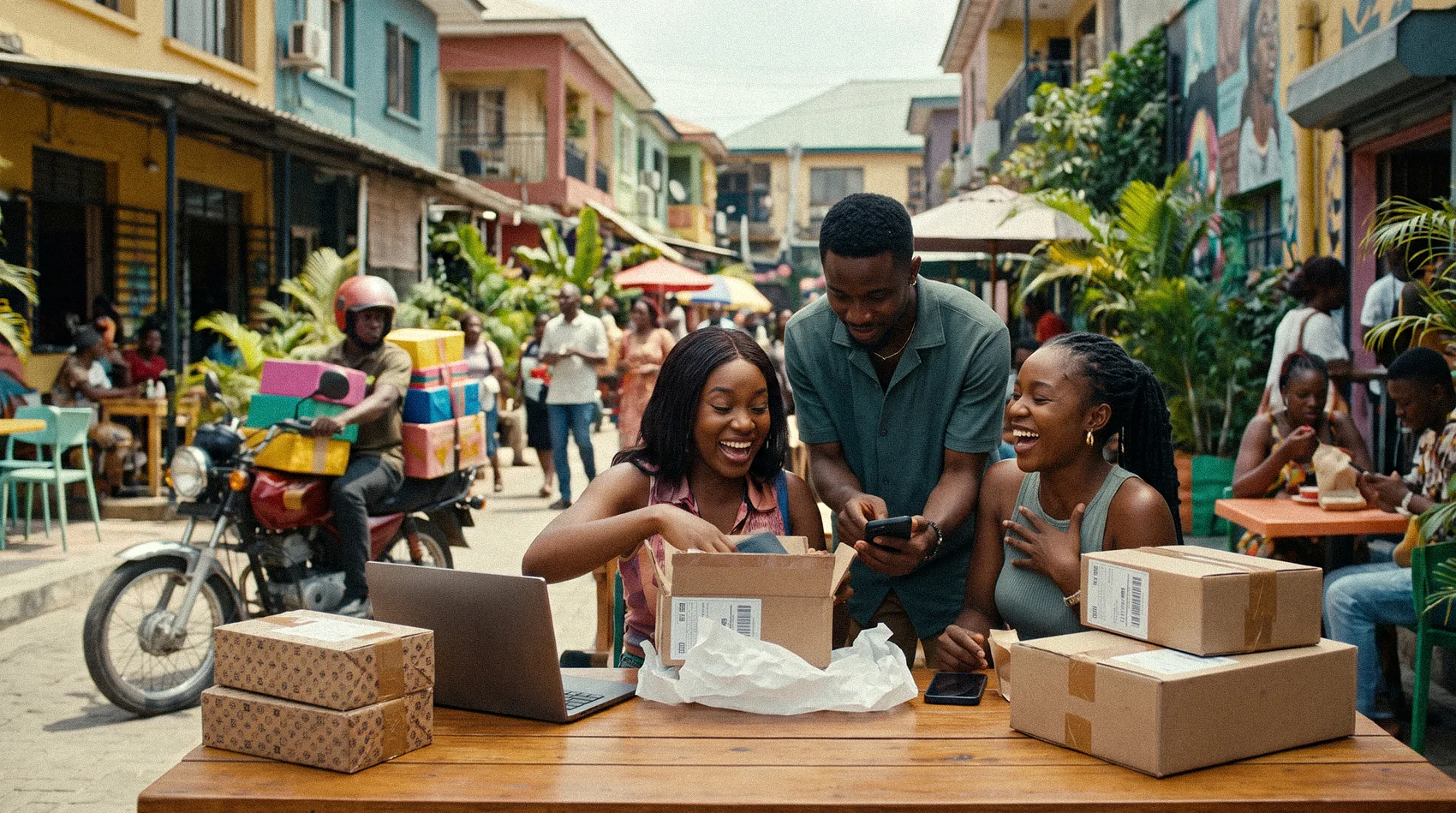
While challenges exist, both local and international companies are creating innovative technologies. Establishing local logistical and payment partnerships while developing a robust strategy for a few countries may well be the key to unlocking a new segment of e-commerce users.
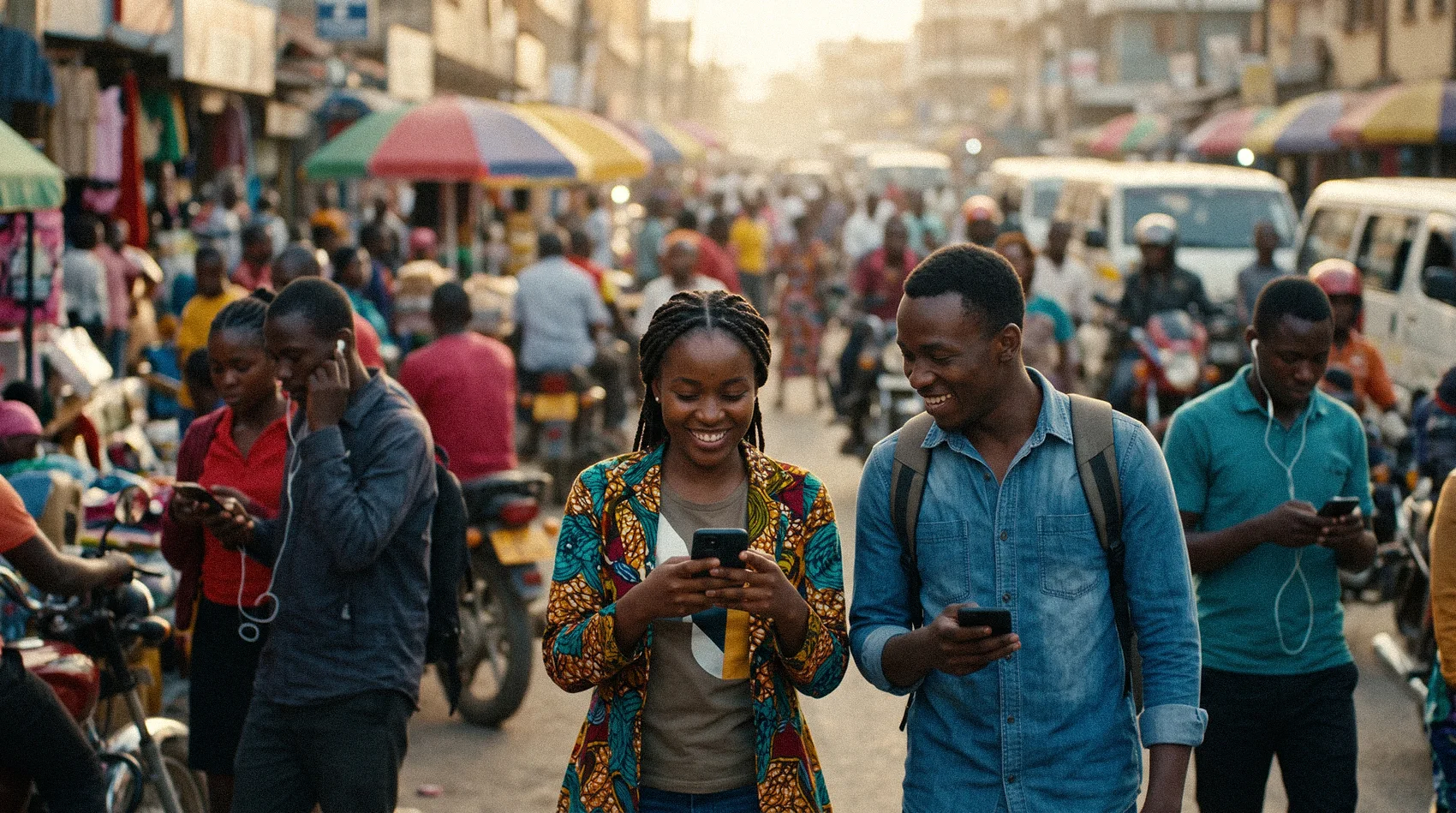
Want to Reach Africa's 300M+ Digital Consumers
Mediareach helps UK brands navigate payment, logistics and targeting, from DHL Africa eShop to Jumia logistics, with culturally intelligent e-commerce strategy.
Sources & References
The Asian Banker – 18% annual surge in online shoppers since 2014, 20% bank account penetration, Nigeria/South Africa/Kenya dominate e-commerce.
Statista – $16.5bn in 2017 to $29bn by 2022; DHL / McKinsey – $2.1 trillion consumer spending by 2025; internet access 5.5% in 2005 to 24.4% in 2018.
WebRetailer – Jumia, Konga, Kilimall 34M monthly visitors; QZ – Amazon no marketplace in Africa; DHL Africa eShop, MallforAfrica, Link Commerce – 35 countries, 200 sellers.
DHL Africa eShop uses Paga (Nigeria), M-Pesa (Kenya), JumiaPay, KongaPay, WeChat, Alipay via Equity Bank – River Island, Boohoo, Selfridges active.
McKinsey interview Sacha Poignonnec – no address system, local partner needed, subjective address example; LogUpdate Africa – Jumia 11 countries, 20M packages in 2019 opening to third parties.
Africa e-commerce growth
UK brands Africa
Jumia Konga Kilimall
DHL Africa eShop
Paga M-Pesa payments
African online shoppers 18%
Nigeria South Africa Kenya
300 million consumers
Africa logistics challenge
River Island Boohoo Selfridges Africa
The UK's pioneering multicultural marketing and advertising agency. Over 40 years connecting brands with diverse communities through cultural insight, creative excellence, and intelligent media strategy.



Apr 1, 2021
How UK Brands Can Tap Africa’s E-Commerce Market
Online shoppers up 18% yearly since 2014, market from $16.5bn to $29bn, and 300M+ consumers in Nigeria, South Africa & Kenya alone, but payment and logistics need local partners.
⏱ 4 min read
By mediareach
E-commerce in Africa is growing rapidly and could offer exciting opportunities for UK brands. Although the continent still faces setbacks in the digital world, more companies are paying attention and looking to tap into a new group of consumers.
A Growing Market
Since 2014, the number of online shoppers in Africa has surged annually by 18%. Statista found the total value of the continent's e-commerce market reached $16.5 billion in 2017 and was expected to reach $29 billion by 2022. McKinsey projected that by 2025, consumer spending in Africa would reach $2.1 trillion. Those consumers are coming online in greater numbers too, internet access rose from just 5.5% in 2005 to 24.4% in 2018.
The most popular e-commerce marketplaces are Jumia, Konga and Kilimall, with an average of over 34 million monthly visitors. eBay and Alibaba also offer shipping to Africa, while Amazon currently offers no e-commerce marketplace on the continent.
Payment Options in Africa
UK and US brands can sell directly to African consumers using DHL's Africa eShop, which was set up in 2018. DHL works with MallforAfrica.com and its white-label fulfilment service Link Commerce. The eShop allows users from 35 African countries to buy directly from over 200 US and UK sellers. It uses local fintech options such as Nigeria's Paga or Kenya's M-Pesa to process payments.
Meanwhile, Jumia and Konga have set up their own capabilities, JumiaPay and KongaPay, allowing users with a linked bank account and phone number to receive a code which works as a one-click payment. WeChat and Alipay are also available in East Africa via partnership with Equity Bank.
MARKET SNAPSHOT
Market Snapshot: How UK Brands Sell Today
Platform: DHL Africa eShop (35 countries) via MallforAfrica + Link Commerce
Sellers: 200+ US & UK brands – River Island, Boohoo, Selfridges already active
Payments: Paga (Nigeria), M-Pesa (Kenya), JumiaPay, KongaPay, WeChat, Alipay + Equity Bank
Marketplaces: Jumia, Konga, Kilimall – 34M monthly visitors average
Growth: 18% shopper growth yearly, $16.5bn (2017) → $29bn (2022), internet 5.5% → 24.4%
Challenges and Opportunities for UK Brands
Although fintech is solving payments, cash on delivery is still common and only 20% of the population in Africa has a bank account. Payment solutions powered by Paga and M-Pesa help, but quality differs country to country, making it hard to build a single pan-African strategy.
Using a third-party platform like DHL's Africa eShop that partners with fintech on the brand's behalf simplifies presence, sell to multiple countries without partnering individually. Large UK brands such as River Island, Boohoo and Selfridges are already using the platform.
Logistics is the other hurdle. Jumia co-founder Sacha Poignonnec explained: “In Africa, there's no address system in most of the cities. For someone to find a consumer, you need to have a local partner who knows where the consumer is, based on very subjective information… for example… ‘I live in the third street by the church with the blue door,’ that’s the address.”
“I live in the third street by the church with the blue door” – that’s the address. If your partner has the right local knowledge, they can find these consumers.
— Sacha Poignonnec, Co-Founder & Co-CEO, Jumia
Jumia has an in-depth logistical network across 11 African countries, having processed over 20 million packages in 2019, and is now opening up to third-party businesses. Partnering with experienced logistics partners like Jumia is a strong way for UK brands to navigate delivery.
A Targeted Strategy
Africa isn't consistent on internet and e-commerce, there are large disparities between countries in internet quality, making one blanket strategy hard.
In 2017, Nigeria, South Africa and Kenya accounted for more than half of online shoppers in Africa, with Nigeria the largest in both shoppers and revenue. Those three countries alone account for over 300 million African consumers, so focusing there first is an excellent and profitable route into the wider market.
While challenges exist, both local and international companies are creating innovative technologies. Establishing local logistical and payment partnerships while developing a robust strategy for a few countries may well be the key to unlocking a new segment of e-commerce users.
Want to Reach Africa's 300M+ Digital Consumers
Mediareach helps UK brands navigate payment, logistics and targeting, from DHL Africa eShop to Jumia logistics, with culturally intelligent e-commerce strategy.
Sources & References
The Asian Banker – 18% annual surge in online shoppers since 2014, 20% bank account penetration, Nigeria/South Africa/Kenya dominate e-commerce.
Statista – $16.5bn in 2017 to $29bn by 2022; DHL / McKinsey – $2.1 trillion consumer spending by 2025; internet access 5.5% in 2005 to 24.4% in 2018.
WebRetailer – Jumia, Konga, Kilimall 34M monthly visitors; QZ – Amazon no marketplace in Africa; DHL Africa eShop, MallforAfrica, Link Commerce – 35 countries, 200 sellers.
DHL Africa eShop uses Paga (Nigeria), M-Pesa (Kenya), JumiaPay, KongaPay, WeChat, Alipay via Equity Bank – River Island, Boohoo, Selfridges active.
McKinsey interview Sacha Poignonnec – no address system, local partner needed, subjective address example; LogUpdate Africa – Jumia 11 countries, 20M packages in 2019 opening to third parties.
Africa e-commerce growth
UK brands Africa
Jumia Konga Kilimall
DHL Africa eShop
Paga M-Pesa payments
African online shoppers 18%
Nigeria South Africa Kenya
300 million consumers
Africa logistics challenge
River Island Boohoo Selfridges Africa
The UK's pioneering multicultural marketing and advertising agency. Over 40 years connecting brands with diverse communities through cultural insight, creative excellence, and intelligent media strategy.