Oct 8, 2018
Affluent Millennial Men and the Grooming Paradox
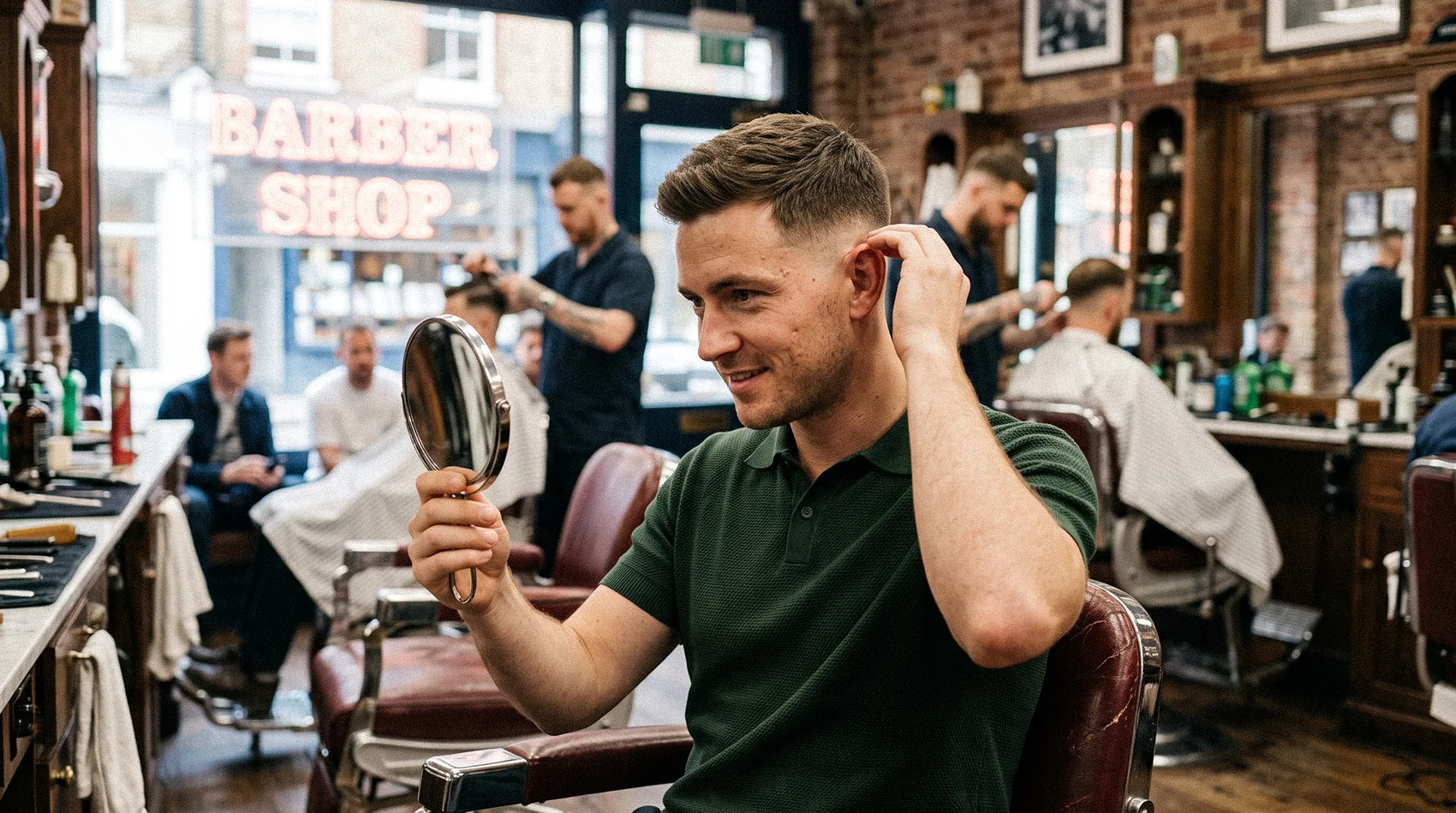
They care about appearance as much as women and spend more time getting ready, yet spend less, enjoy it less, and don't ask for help. Welcome to the paradox.
It's no secret that millennials bear little resemblance to older generations. Their beliefs, behaviours and attitudes are challenging expectations and stereotypes, and nowhere is that clearer than in grooming.
Grooming was long seen as the domain of women. Millennial men are making serious inroads into this formerly forbidden territory, especially affluent millennial men. But their relationship with grooming is full of contradictions.
The Paradox Explained
New research shows affluent millennial men are just as likely as women their age to say their external appearance is extremely or very important to them. They take more time getting ready in the morning than women their age do.
Yet at the same time, they report spending less money on grooming than almost any other group except men 50+. Around 65% of men under 35 say they spend less than $50 a month on grooming products, despite spending significantly more on fashion.
Affluent millennial men want to look their best but don't feel great about the effort expended or the results.
Ipsos Research on Affluent Millennial Men & The Grooming Paradox

Why This Matters for Brands
This is a high-value, high-intent audience that is underserved. Affluent millennial men are not ashamed to invest in personal care, double-digit growth in men's grooming across Europe is driven by this group. What holds them back is not desire, but experience.
They don't feel the time they invest is well-spent. They don't enjoy the shopping journey. And they don't want to ask for help in traditional ways. That's a clear challenge, and opportunity, for grooming brands.
How to Win Affluent Millennial Men
1. Make It Effortless and Results-Driven
Focus on efficiency, not pampering. Show time saved, visible results, and streamlined routines. Less "10-step ritual," more "look sharp in 5 minutes."
2. Remove the Stigma from Advice
Offer discreet, expert guidance, how-to content, diagnostic tools, barber partnerships, that doesn't require asking another man in-store.
3. Connect Grooming to Success
Link grooming to the lifestyle they already buy into: fashion, career, wellbeing, and status. Position it as performance and confidence, not vanity.
Millennials are challenging old stereotypes. Grooming is no longer forbidden territory, it's just waiting for brands to make the path easier to walk.

Targeting Affluent Millennials?
Mediareach understands the nuances of affluent millennial men, from cultural identity to grooming habits. We help brands turn paradoxes into purchase.
Sources & References
Ipsos, "Affluent Millennial Men and the Grooming Paradox," 2018. ipsos.com
MediaPost, "Affluent Millennial Men: The Grooming Paradox," August 15, 2018. mediapost.com
Cosmetics Business, "Barbershop trend boosts male grooming," Market Reports. cosmeticsbusiness.com
affluent millennial men grooming
millennial men grooming paradox
male grooming trends UK
millennial men beauty market
affluent millennial behaviour
male grooming insights
millennial men shopping habits
grooming paradox
male beauty market growth
Mediareach insights
The UK's pioneering multicultural marketing and advertising agency. Over 40 years connecting brands with diverse communities through cultural insight, creative excellence, and intelligent media strategy.



Oct 8, 2018
Affluent Millennial Men and the Grooming Paradox
They care about appearance as much as women and spend more time getting ready, yet spend less, enjoy it less, and don't ask for help. Welcome to the paradox.
It's no secret that millennials bear little resemblance to older generations. Their beliefs, behaviours and attitudes are challenging expectations and stereotypes, and nowhere is that clearer than in grooming.
Grooming was long seen as the domain of women. Millennial men are making serious inroads into this formerly forbidden territory, especially affluent millennial men. But their relationship with grooming is full of contradictions.
The Paradox Explained
New research shows affluent millennial men are just as likely as women their age to say their external appearance is extremely or very important to them. They take more time getting ready in the morning than women their age do.
Yet at the same time, they report spending less money on grooming than almost any other group except men 50+. Around 65% of men under 35 say they spend less than $50 a month on grooming products, despite spending significantly more on fashion.
Affluent millennial men want to look their best but don't feel great about the effort expended or the results.
Ipsos Research on Affluent Millennial Men & The Grooming Paradox
Why This Matters for Brands
This is a high-value, high-intent audience that is underserved. Affluent millennial men are not ashamed to invest in personal care, double-digit growth in men's grooming across Europe is driven by this group. What holds them back is not desire, but experience.
They don't feel the time they invest is well-spent. They don't enjoy the shopping journey. And they don't want to ask for help in traditional ways. That's a clear challenge, and opportunity, for grooming brands.
How to Win Affluent Millennial Men
1. Make It Effortless and Results-Driven
Focus on efficiency, not pampering. Show time saved, visible results, and streamlined routines. Less "10-step ritual," more "look sharp in 5 minutes."
2. Remove the Stigma from Advice
Offer discreet, expert guidance, how-to content, diagnostic tools, barber partnerships, that doesn't require asking another man in-store.
3. Connect Grooming to Success
Link grooming to the lifestyle they already buy into: fashion, career, wellbeing, and status. Position it as performance and confidence, not vanity.
Millennials are challenging old stereotypes. Grooming is no longer forbidden territory, it's just waiting for brands to make the path easier to walk.
Targeting Affluent Millennials?
Mediareach understands the nuances of affluent millennial men, from cultural identity to grooming habits. We help brands turn paradoxes into purchase.
Sources & References
Ipsos, "Affluent Millennial Men and the Grooming Paradox," 2018. ipsos.com
MediaPost, "Affluent Millennial Men: The Grooming Paradox," August 15, 2018. mediapost.com
Cosmetics Business, "Barbershop trend boosts male grooming," Market Reports. cosmeticsbusiness.com
affluent millennial men grooming
millennial men grooming paradox
male grooming trends UK
millennial men beauty market
affluent millennial behaviour
male grooming insights
millennial men shopping habits
grooming paradox
male beauty market growth
Mediareach insights
The UK's pioneering multicultural marketing and advertising agency. Over 40 years connecting brands with diverse communities through cultural insight, creative excellence, and intelligent media strategy.
Oct 8, 2018
Affluent Millennial Men and the Grooming Paradox
They care about appearance as much as women and spend more time getting ready, yet spend less, enjoy it less, and don't ask for help. Welcome to the paradox.
It's no secret that millennials bear little resemblance to older generations. Their beliefs, behaviours and attitudes are challenging expectations and stereotypes, and nowhere is that clearer than in grooming.
Grooming was long seen as the domain of women. Millennial men are making serious inroads into this formerly forbidden territory, especially affluent millennial men. But their relationship with grooming is full of contradictions.
The Paradox Explained
New research shows affluent millennial men are just as likely as women their age to say their external appearance is extremely or very important to them. They take more time getting ready in the morning than women their age do.
Yet at the same time, they report spending less money on grooming than almost any other group except men 50+. Around 65% of men under 35 say they spend less than $50 a month on grooming products, despite spending significantly more on fashion.
Affluent millennial men want to look their best but don't feel great about the effort expended or the results.
Ipsos Research on Affluent Millennial Men & The Grooming Paradox
Why This Matters for Brands
This is a high-value, high-intent audience that is underserved. Affluent millennial men are not ashamed to invest in personal care, double-digit growth in men's grooming across Europe is driven by this group. What holds them back is not desire, but experience.
They don't feel the time they invest is well-spent. They don't enjoy the shopping journey. And they don't want to ask for help in traditional ways. That's a clear challenge, and opportunity, for grooming brands.
How to Win Affluent Millennial Men
1. Make It Effortless and Results-Driven
Focus on efficiency, not pampering. Show time saved, visible results, and streamlined routines. Less "10-step ritual," more "look sharp in 5 minutes."
2. Remove the Stigma from Advice
Offer discreet, expert guidance, how-to content, diagnostic tools, barber partnerships, that doesn't require asking another man in-store.
3. Connect Grooming to Success
Link grooming to the lifestyle they already buy into: fashion, career, wellbeing, and status. Position it as performance and confidence, not vanity.
Millennials are challenging old stereotypes. Grooming is no longer forbidden territory, it's just waiting for brands to make the path easier to walk.
Targeting Affluent Millennials?
Mediareach understands the nuances of affluent millennial men, from cultural identity to grooming habits. We help brands turn paradoxes into purchase.
Sources & References
Ipsos, "Affluent Millennial Men and the Grooming Paradox," 2018. ipsos.com
MediaPost, "Affluent Millennial Men: The Grooming Paradox," August 15, 2018. mediapost.com
Cosmetics Business, "Barbershop trend boosts male grooming," Market Reports. cosmeticsbusiness.com
affluent millennial men grooming
millennial men grooming paradox
male grooming trends UK
millennial men beauty market
affluent millennial behaviour
male grooming insights
millennial men shopping habits
grooming paradox
male beauty market growth
Mediareach insights
The UK's pioneering multicultural marketing and advertising agency. Over 40 years connecting brands with diverse communities through cultural insight, creative excellence, and intelligent media strategy.