Mar 30, 2026
The Intersection of Culture and Gender: Why Marketing to Multicultural Women Requires a Fundamentally Different Approach
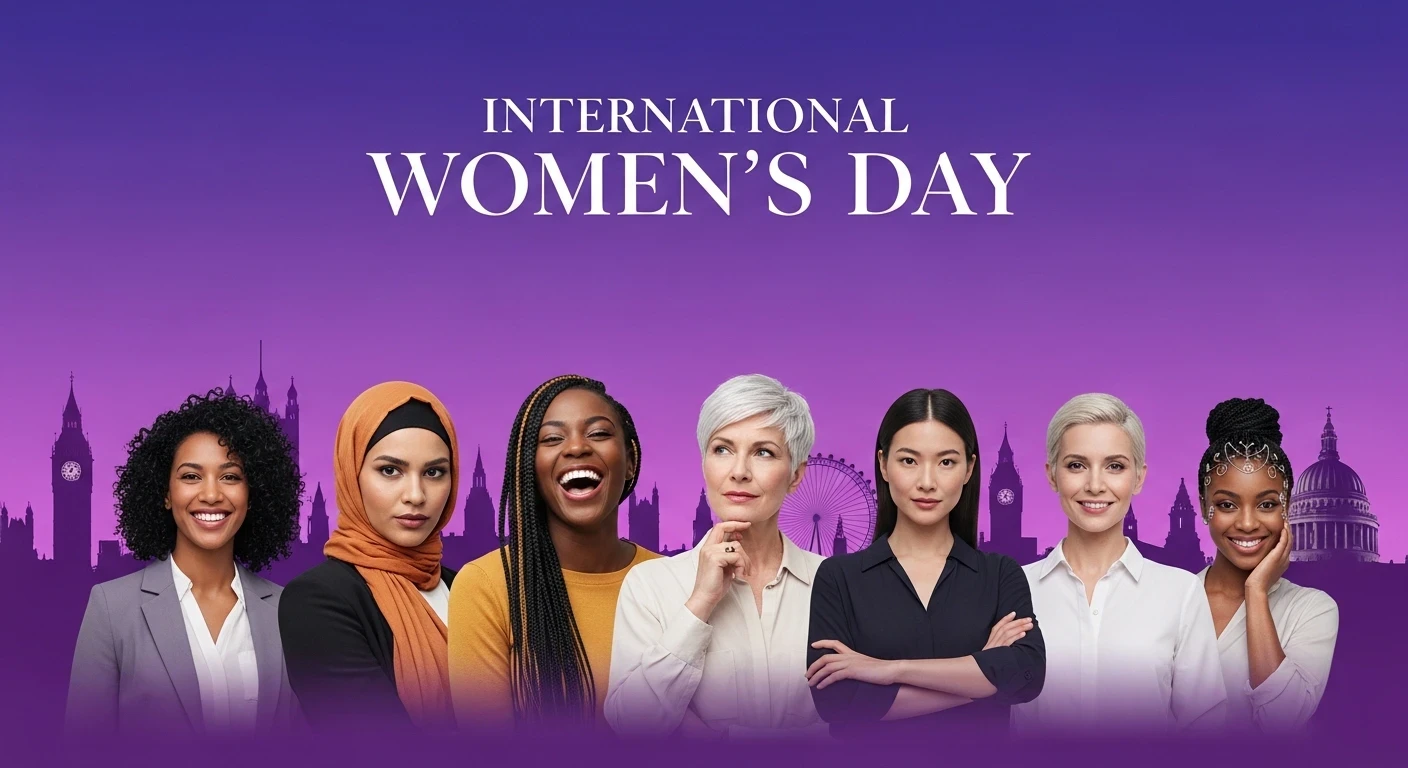
On International Women's Day, the brands that truly champion women must acknowledge that "women" is not a monolith. Cultural identity reshapes everything—from beauty standards to financial decision-making.
⏱ 8 min read
By Saad Al-Saraf
{
  "@context": "https://schema.org",
  "@type": "Article",
  "name": "The Intersection of Culture and Gender: Why Marketing to Multicultural Women Requires a Fundamentally Different Approach",
  "description": "Marketing to multicultural women in the UK requires understanding the intersection of gender and cultural identity. Learn why campaigns targeting 'women' as a monolith fail British Asian, Black British, and Muslim women. Expert insights from Mediareach, the UK's leading multicultural marketing agency.",
  "keywords": "multicultural women marketing UK, ethnic minority women consumers, British Asian women, Black British women marketing, Muslim women marketing, intersectional marketing UK, diversity women advertising, modest fashion marketing, multicultural beauty market UK, Mediareach, inclusive marketing women, cultural identity women UK, women of colour marketing, ethnic women consumer spending UK, intersectional advertising",
  "url": "/insights/the-intersection-of-culture-and-gender-why-marketing-to-multicultural-women-requires-a-fundamentally-different-approach",
  "image": "https://framerusercontent.com/images/HedysDxTyTit7stHCVAi6Yyj5Q.webp?width=1408&height=768",
  "author": {
    "@type": "Person",
    "name": "mediareach",
    "url": "https://mediareach.co/"
  },
  "publisher": {
    "@type": "Organization",
    "name": "Mediareach",
    "logo": "https://framerusercontent.com/images/onf7hHOEnrHGrBCBm7j3qj0I.png?width=181&height=181"
  },
  "datePublished": "2026-03-30T00:00:00.000Z"
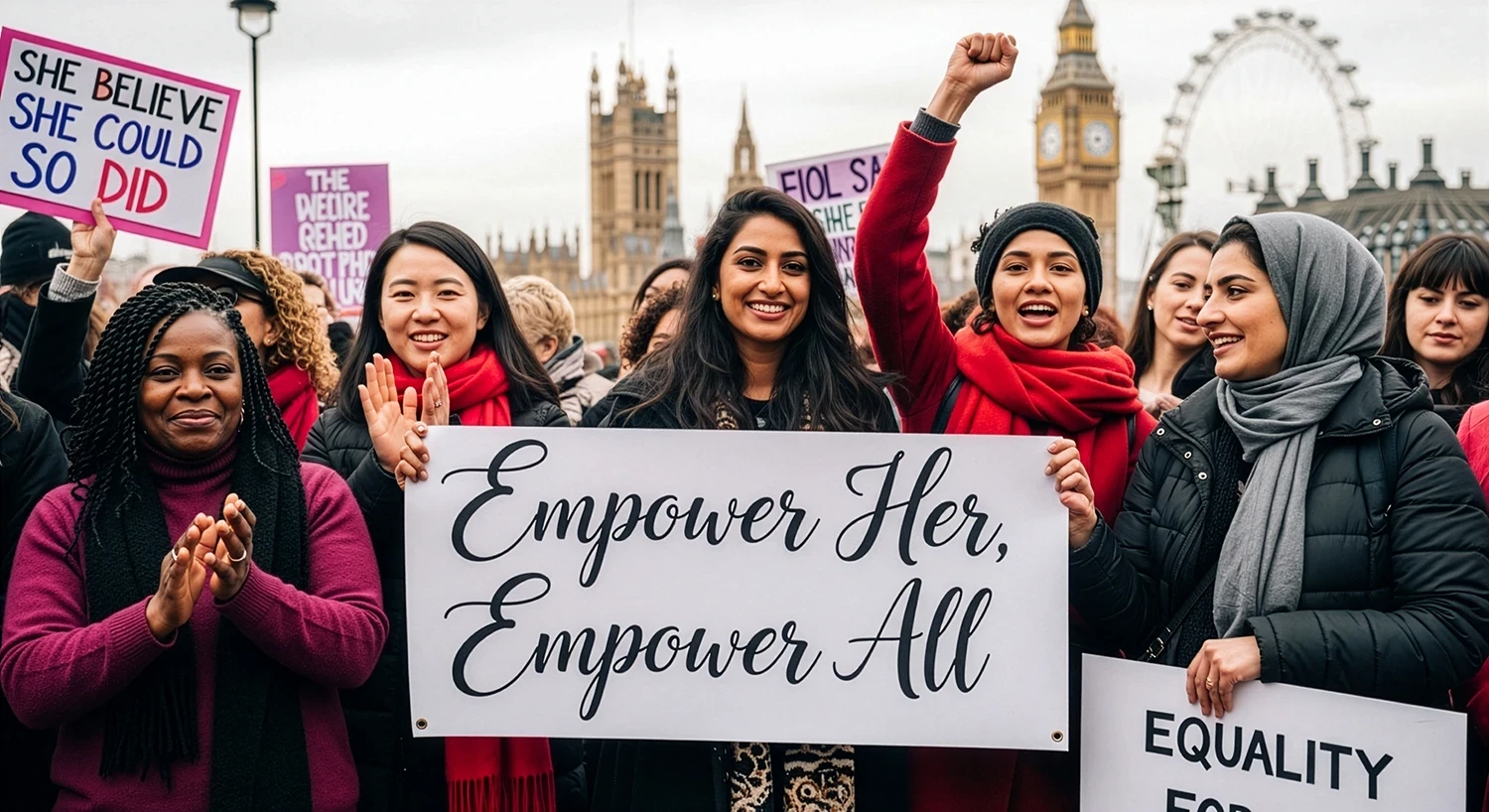
}On International Women's Day, brands across the UK will fill social media feeds with messages celebrating women's empowerment, strength, and achievement. The imagery will be carefully curated: diverse faces, confident poses, inspirational quotes. And for millions of multicultural women across Britain, these campaigns will feel like they were made by people who have no idea what their actual lives look like.
The problem is not a lack of good intentions. The problem is that "women" is treated as a single, uniform audience—when in reality, the intersection of gender and cultural identity creates fundamentally different consumer experiences, needs, and expectations.
When "Women" Isn't Specific Enough
Consider the beauty industry. A mainstream beauty campaign targeting "women" typically centres on a set of beauty standards, product needs, and aspirational images that reflect the majority market. But for Black British women—whose hair texture, skin tone, and beauty traditions are fundamentally different—these campaigns are often irrelevant at best and alienating at worst. The Black British beauty market is not a subset of the mainstream beauty market. It is a distinct market with its own product categories (protective hairstyling, products for natural hair, skincare for melanin-rich complexions), its own influencers, and its own cultural codes.
Similarly, a fashion campaign targeting "working women" may inadvertently exclude Muslim women who wear hijab or modest clothing. The modest fashion market globally is worth over £250 billion and growing rapidly. British Muslim women are looking for fashion that is stylish, professional, and compatible with their religious values—and they are increasingly vocal about brands that ignore or misunderstand this need.
For British Asian women, the intersection of traditional family expectations and contemporary professional ambition creates a unique consumer profile. A financial services campaign targeting "women building their careers" needs to understand that for many British Asian women, financial decisions are made within a family context. Property purchases, savings strategies, and investment decisions may involve parents and partners in ways that mainstream campaigns do not account for.
The Beauty Market: A Case Study in Intersectional Failure
The beauty industry offers perhaps the most visible example of how failing to understand the intersection of culture and gender costs brands market share. For decades, major beauty brands developed products primarily for European skin tones and hair types. Black British women—whose spending on beauty products per capita exceeds the national average—were forced to rely on specialist brands or import products.
When mainstream brands finally began expanding their shade ranges, many did so without the cultural understanding needed to genuinely connect. Launching 40 foundation shades is not the same as understanding Black beauty culture—the significance of "wash day," the cultural meaning of different hairstyles, or the skincare routines specific to melanin-rich skin. Brands that approached shade expansion as a product line extension rather than a cultural conversation found that Black consumers remained loyal to the specialist brands that had always understood them.
Modest Fashion: The £250 Billion Market Brands Keep Ignoring
The global modest fashion market represents one of the fastest-growing segments in the fashion industry. In the UK, Muslim women—and increasingly women from other faith backgrounds and cultural traditions who prefer modest dressing—are looking for fashion that combines style, quality, and coverage. Yet mainstream UK fashion brands have been slow to respond, leaving the market largely to specialist modest fashion brands and international retailers.
The opportunity for mainstream brands is enormous. Muslim women in the UK are digitally active, style-conscious, and frustrated by the limited options available from high-street retailers. A brand that develops a genuine modest fashion offering—not a tokenistic capsule collection during Ramadan, but an integrated range available year-round—can capture significant market share and build deep loyalty within a community that feels underserved.
Financial Services: Where Cultural Context Changes Everything
Financial services marketing to women has improved significantly in recent years, with campaigns addressing the gender pay gap, pension inequality, and women's financial independence. But these campaigns almost universally assume a Western, individualistic model of financial decision-making. For many multicultural women, financial reality is more complex.
British Asian women may be significant earners but make financial decisions within a family framework. Muslim women may prefer Sharia-compliant financial products. Black British women face specific systemic barriers in financial services, from mortgage approval rates to insurance pricing. A financial services brand that genuinely wants to reach multicultural women needs to understand these different relationships with money—and that requires cultural intelligence, not just gender insight.
How Mediareach Approaches Intersectional Marketing
Mediareach's multicultural marketing consultancy begins with the recognition that every audience segment exists at the intersection of multiple identities. Our cultural audits examine not just ethnicity but how ethnicity interacts with gender, generation, socioeconomic status, and cultural orientation to create distinct consumer profiles.
Our creative and production team develops campaigns that speak to these intersections with authenticity and precision. Our AI Content and Creator Innovation service enables the creation of multiple creative variations tailored to different intersectional audiences—scaling cultural specificity in ways that were previously impossible.
And our media planning ensures that messaging reaches multicultural women through the specific channels they trust—from community media and diaspora publications to social platforms and digital spaces where cultural conversations happen.
This International Women's Day, Market to ALL Women
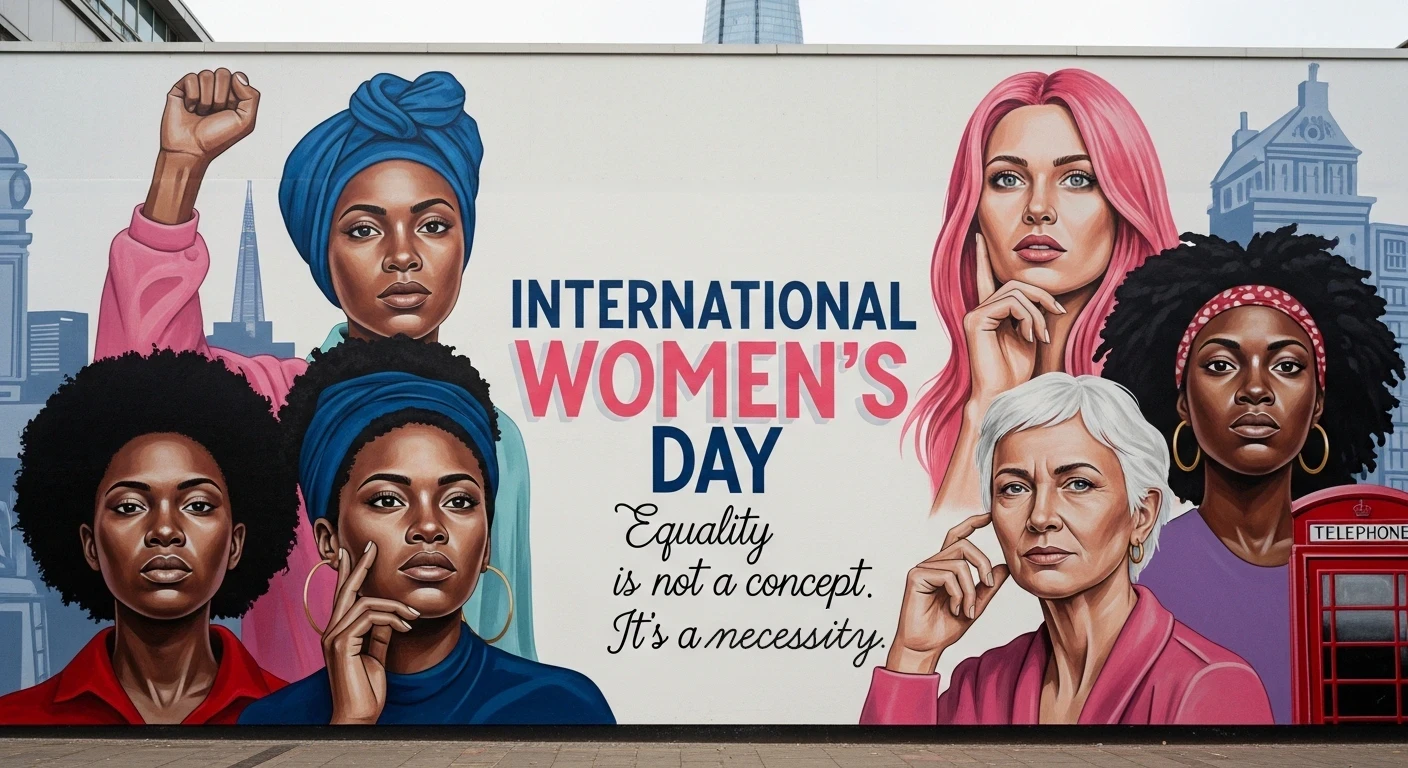
Mediareach helps brands move beyond generic "women's marketing" to culturally intelligent campaigns that resonate with multicultural women across Britain. With 40+ years of expertise, we provide the cultural insight needed to connect authentically with every community.
multicultural women marketing UK
ethnic minority women consumers
British Asian women
Black British women marketing
Muslim women marketing
intersectional marketing UK
diversity women advertising
modest fashion marketing
multicultural beauty market UK
mediareach advertising
inclusive marketing women
cultural identity women UK
women of colour marketing
ethnic women consumer spending UK
intersectional advertising

Mediareach
The UK's pioneering multicultural marketing and advertising agency. Over 40 years connecting brands with diverse communities through cultural insight, creative excellence, and intelligent media strategy. mediareach.co
Latest Updates
(MRA — 02)
©2025

Mar 30, 2026
The Intersection of Culture and Gender: Why Marketing to Multicultural Women Requires a Fundamentally Different Approach
On International Women's Day, the brands that truly champion women must acknowledge that "women" is not a monolith. Cultural identity reshapes everything—from beauty standards to financial decision-making.
⏱ 8 min read
By Saad Al-Saraf
{
  "@context": "https://schema.org",
  "@type": "Article",
  "name": "The Intersection of Culture and Gender: Why Marketing to Multicultural Women Requires a Fundamentally Different Approach",
  "description": "Marketing to multicultural women in the UK requires understanding the intersection of gender and cultural identity. Learn why campaigns targeting 'women' as a monolith fail British Asian, Black British, and Muslim women. Expert insights from Mediareach, the UK's leading multicultural marketing agency.",
  "keywords": "multicultural women marketing UK, ethnic minority women consumers, British Asian women, Black British women marketing, Muslim women marketing, intersectional marketing UK, diversity women advertising, modest fashion marketing, multicultural beauty market UK, Mediareach, inclusive marketing women, cultural identity women UK, women of colour marketing, ethnic women consumer spending UK, intersectional advertising",
  "url": "/insights/the-intersection-of-culture-and-gender-why-marketing-to-multicultural-women-requires-a-fundamentally-different-approach",
  "image": "https://framerusercontent.com/images/HedysDxTyTit7stHCVAi6Yyj5Q.webp?width=1408&height=768",
  "author": {
    "@type": "Person",
    "name": "mediareach",
    "url": "https://mediareach.co/"
  },
  "publisher": {
    "@type": "Organization",
    "name": "Mediareach",
    "logo": "https://framerusercontent.com/images/onf7hHOEnrHGrBCBm7j3qj0I.png?width=181&height=181"
  },
  "datePublished": "2026-03-30T00:00:00.000Z"
}On International Women's Day, brands across the UK will fill social media feeds with messages celebrating women's empowerment, strength, and achievement. The imagery will be carefully curated: diverse faces, confident poses, inspirational quotes. And for millions of multicultural women across Britain, these campaigns will feel like they were made by people who have no idea what their actual lives look like.
The problem is not a lack of good intentions. The problem is that "women" is treated as a single, uniform audience—when in reality, the intersection of gender and cultural identity creates fundamentally different consumer experiences, needs, and expectations.
When "Women" Isn't Specific Enough
Consider the beauty industry. A mainstream beauty campaign targeting "women" typically centres on a set of beauty standards, product needs, and aspirational images that reflect the majority market. But for Black British women—whose hair texture, skin tone, and beauty traditions are fundamentally different—these campaigns are often irrelevant at best and alienating at worst. The Black British beauty market is not a subset of the mainstream beauty market. It is a distinct market with its own product categories (protective hairstyling, products for natural hair, skincare for melanin-rich complexions), its own influencers, and its own cultural codes.
Similarly, a fashion campaign targeting "working women" may inadvertently exclude Muslim women who wear hijab or modest clothing. The modest fashion market globally is worth over £250 billion and growing rapidly. British Muslim women are looking for fashion that is stylish, professional, and compatible with their religious values—and they are increasingly vocal about brands that ignore or misunderstand this need.
For British Asian women, the intersection of traditional family expectations and contemporary professional ambition creates a unique consumer profile. A financial services campaign targeting "women building their careers" needs to understand that for many British Asian women, financial decisions are made within a family context. Property purchases, savings strategies, and investment decisions may involve parents and partners in ways that mainstream campaigns do not account for.
The Beauty Market: A Case Study in Intersectional Failure
The beauty industry offers perhaps the most visible example of how failing to understand the intersection of culture and gender costs brands market share. For decades, major beauty brands developed products primarily for European skin tones and hair types. Black British women—whose spending on beauty products per capita exceeds the national average—were forced to rely on specialist brands or import products.
When mainstream brands finally began expanding their shade ranges, many did so without the cultural understanding needed to genuinely connect. Launching 40 foundation shades is not the same as understanding Black beauty culture—the significance of "wash day," the cultural meaning of different hairstyles, or the skincare routines specific to melanin-rich skin. Brands that approached shade expansion as a product line extension rather than a cultural conversation found that Black consumers remained loyal to the specialist brands that had always understood them.
Modest Fashion: The £250 Billion Market Brands Keep Ignoring
The global modest fashion market represents one of the fastest-growing segments in the fashion industry. In the UK, Muslim women—and increasingly women from other faith backgrounds and cultural traditions who prefer modest dressing—are looking for fashion that combines style, quality, and coverage. Yet mainstream UK fashion brands have been slow to respond, leaving the market largely to specialist modest fashion brands and international retailers.
The opportunity for mainstream brands is enormous. Muslim women in the UK are digitally active, style-conscious, and frustrated by the limited options available from high-street retailers. A brand that develops a genuine modest fashion offering—not a tokenistic capsule collection during Ramadan, but an integrated range available year-round—can capture significant market share and build deep loyalty within a community that feels underserved.
Financial Services: Where Cultural Context Changes Everything
Financial services marketing to women has improved significantly in recent years, with campaigns addressing the gender pay gap, pension inequality, and women's financial independence. But these campaigns almost universally assume a Western, individualistic model of financial decision-making. For many multicultural women, financial reality is more complex.
British Asian women may be significant earners but make financial decisions within a family framework. Muslim women may prefer Sharia-compliant financial products. Black British women face specific systemic barriers in financial services, from mortgage approval rates to insurance pricing. A financial services brand that genuinely wants to reach multicultural women needs to understand these different relationships with money—and that requires cultural intelligence, not just gender insight.
How Mediareach Approaches Intersectional Marketing
Mediareach's multicultural marketing consultancy begins with the recognition that every audience segment exists at the intersection of multiple identities. Our cultural audits examine not just ethnicity but how ethnicity interacts with gender, generation, socioeconomic status, and cultural orientation to create distinct consumer profiles.
Our creative and production team develops campaigns that speak to these intersections with authenticity and precision. Our AI Content and Creator Innovation service enables the creation of multiple creative variations tailored to different intersectional audiences—scaling cultural specificity in ways that were previously impossible.
And our media planning ensures that messaging reaches multicultural women through the specific channels they trust—from community media and diaspora publications to social platforms and digital spaces where cultural conversations happen.
This International Women's Day, Market to ALL Women
Mediareach helps brands move beyond generic "women's marketing" to culturally intelligent campaigns that resonate with multicultural women across Britain. With 40+ years of expertise, we provide the cultural insight needed to connect authentically with every community.
multicultural women marketing UK
ethnic minority women consumers
British Asian women
Black British women marketing
Muslim women marketing
intersectional marketing UK
diversity women advertising
modest fashion marketing
multicultural beauty market UK
mediareach advertising
inclusive marketing women
cultural identity women UK
women of colour marketing
ethnic women consumer spending UK
intersectional advertising
Mediareach
The UK's pioneering multicultural marketing and advertising agency. Over 40 years connecting brands with diverse communities through cultural insight, creative excellence, and intelligent media strategy. mediareach.co
Latest Updates
(MRA — 02)
©2025
Mar 30, 2026
The Intersection of Culture and Gender: Why Marketing to Multicultural Women Requires a Fundamentally Different Approach
On International Women's Day, the brands that truly champion women must acknowledge that "women" is not a monolith. Cultural identity reshapes everything—from beauty standards to financial decision-making.
⏱ 8 min read
By Saad Al-Saraf
{
  "@context": "https://schema.org",
  "@type": "Article",
  "name": "The Intersection of Culture and Gender: Why Marketing to Multicultural Women Requires a Fundamentally Different Approach",
  "description": "Marketing to multicultural women in the UK requires understanding the intersection of gender and cultural identity. Learn why campaigns targeting 'women' as a monolith fail British Asian, Black British, and Muslim women. Expert insights from Mediareach, the UK's leading multicultural marketing agency.",
  "keywords": "multicultural women marketing UK, ethnic minority women consumers, British Asian women, Black British women marketing, Muslim women marketing, intersectional marketing UK, diversity women advertising, modest fashion marketing, multicultural beauty market UK, Mediareach, inclusive marketing women, cultural identity women UK, women of colour marketing, ethnic women consumer spending UK, intersectional advertising",
  "url": "/insights/the-intersection-of-culture-and-gender-why-marketing-to-multicultural-women-requires-a-fundamentally-different-approach",
  "image": "https://framerusercontent.com/images/HedysDxTyTit7stHCVAi6Yyj5Q.webp?width=1408&height=768",
  "author": {
    "@type": "Person",
    "name": "mediareach",
    "url": "https://mediareach.co/"
  },
  "publisher": {
    "@type": "Organization",
    "name": "Mediareach",
    "logo": "https://framerusercontent.com/images/onf7hHOEnrHGrBCBm7j3qj0I.png?width=181&height=181"
  },
  "datePublished": "2026-03-30T00:00:00.000Z"
}On International Women's Day, brands across the UK will fill social media feeds with messages celebrating women's empowerment, strength, and achievement. The imagery will be carefully curated: diverse faces, confident poses, inspirational quotes. And for millions of multicultural women across Britain, these campaigns will feel like they were made by people who have no idea what their actual lives look like.
The problem is not a lack of good intentions. The problem is that "women" is treated as a single, uniform audience—when in reality, the intersection of gender and cultural identity creates fundamentally different consumer experiences, needs, and expectations.
When "Women" Isn't Specific Enough
Consider the beauty industry. A mainstream beauty campaign targeting "women" typically centres on a set of beauty standards, product needs, and aspirational images that reflect the majority market. But for Black British women—whose hair texture, skin tone, and beauty traditions are fundamentally different—these campaigns are often irrelevant at best and alienating at worst. The Black British beauty market is not a subset of the mainstream beauty market. It is a distinct market with its own product categories (protective hairstyling, products for natural hair, skincare for melanin-rich complexions), its own influencers, and its own cultural codes.
Similarly, a fashion campaign targeting "working women" may inadvertently exclude Muslim women who wear hijab or modest clothing. The modest fashion market globally is worth over £250 billion and growing rapidly. British Muslim women are looking for fashion that is stylish, professional, and compatible with their religious values—and they are increasingly vocal about brands that ignore or misunderstand this need.
For British Asian women, the intersection of traditional family expectations and contemporary professional ambition creates a unique consumer profile. A financial services campaign targeting "women building their careers" needs to understand that for many British Asian women, financial decisions are made within a family context. Property purchases, savings strategies, and investment decisions may involve parents and partners in ways that mainstream campaigns do not account for.
The Beauty Market: A Case Study in Intersectional Failure
The beauty industry offers perhaps the most visible example of how failing to understand the intersection of culture and gender costs brands market share. For decades, major beauty brands developed products primarily for European skin tones and hair types. Black British women—whose spending on beauty products per capita exceeds the national average—were forced to rely on specialist brands or import products.
When mainstream brands finally began expanding their shade ranges, many did so without the cultural understanding needed to genuinely connect. Launching 40 foundation shades is not the same as understanding Black beauty culture—the significance of "wash day," the cultural meaning of different hairstyles, or the skincare routines specific to melanin-rich skin. Brands that approached shade expansion as a product line extension rather than a cultural conversation found that Black consumers remained loyal to the specialist brands that had always understood them.
Modest Fashion: The £250 Billion Market Brands Keep Ignoring
The global modest fashion market represents one of the fastest-growing segments in the fashion industry. In the UK, Muslim women—and increasingly women from other faith backgrounds and cultural traditions who prefer modest dressing—are looking for fashion that combines style, quality, and coverage. Yet mainstream UK fashion brands have been slow to respond, leaving the market largely to specialist modest fashion brands and international retailers.
The opportunity for mainstream brands is enormous. Muslim women in the UK are digitally active, style-conscious, and frustrated by the limited options available from high-street retailers. A brand that develops a genuine modest fashion offering—not a tokenistic capsule collection during Ramadan, but an integrated range available year-round—can capture significant market share and build deep loyalty within a community that feels underserved.
Financial Services: Where Cultural Context Changes Everything
Financial services marketing to women has improved significantly in recent years, with campaigns addressing the gender pay gap, pension inequality, and women's financial independence. But these campaigns almost universally assume a Western, individualistic model of financial decision-making. For many multicultural women, financial reality is more complex.
British Asian women may be significant earners but make financial decisions within a family framework. Muslim women may prefer Sharia-compliant financial products. Black British women face specific systemic barriers in financial services, from mortgage approval rates to insurance pricing. A financial services brand that genuinely wants to reach multicultural women needs to understand these different relationships with money—and that requires cultural intelligence, not just gender insight.
How Mediareach Approaches Intersectional Marketing
Mediareach's multicultural marketing consultancy begins with the recognition that every audience segment exists at the intersection of multiple identities. Our cultural audits examine not just ethnicity but how ethnicity interacts with gender, generation, socioeconomic status, and cultural orientation to create distinct consumer profiles.
Our creative and production team develops campaigns that speak to these intersections with authenticity and precision. Our AI Content and Creator Innovation service enables the creation of multiple creative variations tailored to different intersectional audiences—scaling cultural specificity in ways that were previously impossible.
And our media planning ensures that messaging reaches multicultural women through the specific channels they trust—from community media and diaspora publications to social platforms and digital spaces where cultural conversations happen.
This International Women's Day, Market to ALL Women
Mediareach helps brands move beyond generic "women's marketing" to culturally intelligent campaigns that resonate with multicultural women across Britain. With 40+ years of expertise, we provide the cultural insight needed to connect authentically with every community.
multicultural women marketing UK
ethnic minority women consumers
British Asian women
Black British women marketing
Muslim women marketing
intersectional marketing UK
diversity women advertising
modest fashion marketing
multicultural beauty market UK
mediareach advertising
inclusive marketing women
cultural identity women UK
women of colour marketing
ethnic women consumer spending UK
intersectional advertising
Mediareach
The UK's pioneering multicultural marketing and advertising agency. Over 40 years connecting brands with diverse communities through cultural insight, creative excellence, and intelligent media strategy. mediareach.co
Latest Updates
©2025